
Global Highlights for This Week: Inflation, Earnings, and Middle East Risks Convergence Puts S&P 500 on Record Track

Global markets face a packed agenda this week, marked by a convergence of critical economic data, the kickoff of the new earnings season, and escalating geopolitical events.
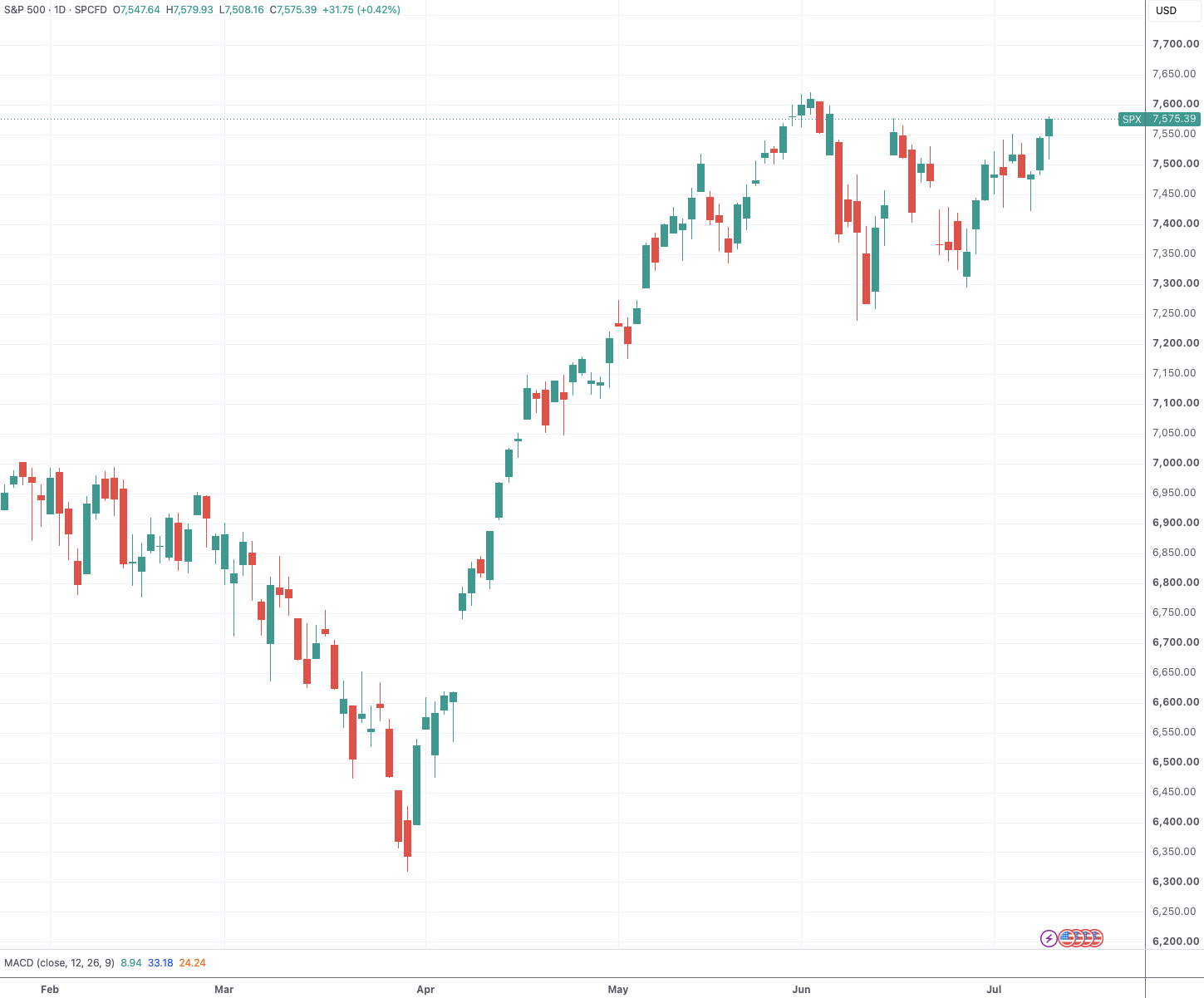
Moreover, the S&P 500 extended its weekly winning streak to two sessions last week, closing at 7,575.39. The index sits just within striking distance of both its intraday all-time high of 7,620.90 and its record closing high of 7,609.78. The heavy influx of catalysts this week could either propel the index to fresh records or drag down the broader market.
First on the radar, US inflation data for June is scheduled for release on Tuesday this week. The same day, newly appointed Federal Reserve Chair Kevin Warsh will testify before Congress. In its semi-annual monetary policy report released last Friday, the central bank noticeably sharpened its rhetoric on maintaining "price stability."
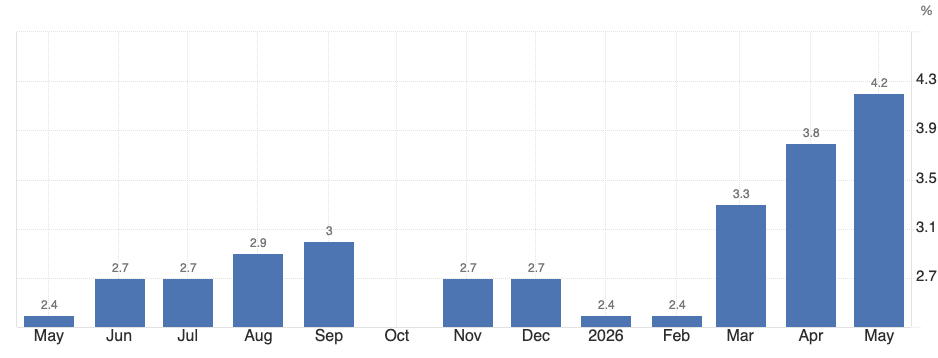
Triggered by the fallout from the Middle East conflict, US CPI has surged since March. After the inflation rate broke above the 4% threshold in May, it reached levels not seen since 2023.
According to LSEG data, money markets have fully priced in a 25-basis-point interest rate hike in December, with a high probability also anticipated for October. A significant cooling in the inflation print could prompt investors to recalibrate their rate-hike expectations.
Beyond CPI, the US economic calendar this week includes June PPI and retail sales data, alongside the University of Michigan’s preliminary July consumer sentiment survey.
Outside the US, the central banks of Canada and South Korea will hold policy meetings this week. Observers note that the ongoing "semiconductor boom" could push the Bank of Korea into a gradual tightening cycle.
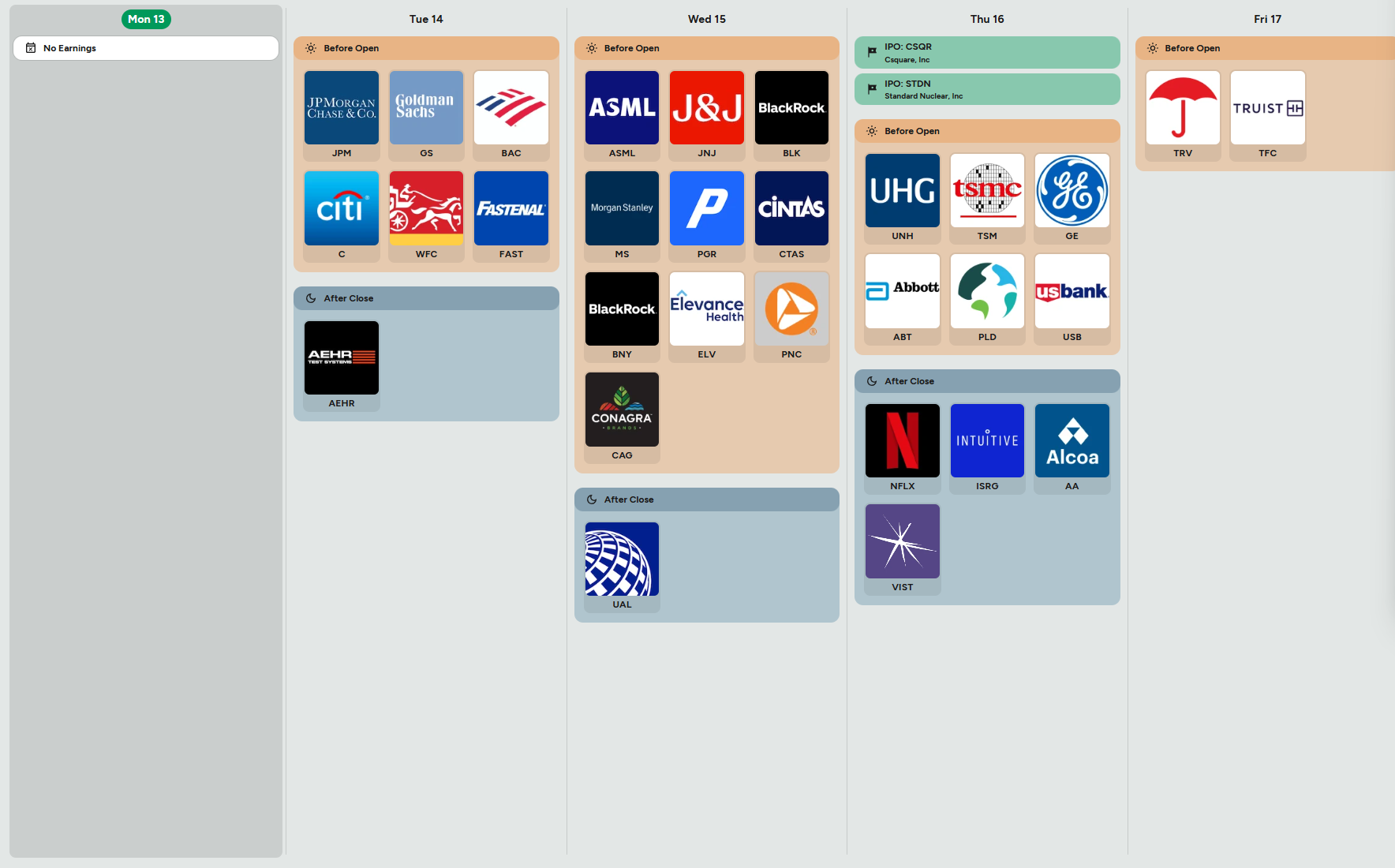
This week additionally marks the official start of the second-quarter US earnings season.
Reports from Wall Street's six largest banks, including JPMorgan Chase, will provide a fresh health check on the US economy. Meanwhile, for the heavily crowded mega-cap technology space, upcoming results from ASML and TSMC will need to prove that the AI growth narrative remains intact.
The impending corporate reporting cycle is also characterized by highly demanding growth expectations. LSEG IBES data shows that S&P 500 companies are projected to post a 23.7% year-over-year increase in second-quarter earnings.
On the corporate front, General Fusion completed its SPAC merger the week before last and is scheduled to begin trading on the Nasdaq on Monday this week.
Finally, the Middle East situation remains an influential and volatile exogenous variable. Friction escalated last week over conflicting interpretations between the US and Iran regarding who controls transit rights through the Strait of Hormuz. The renewed military confrontation has put hopes for a swift energy market stabilization at risk.
This Week's Key Economic Events
Monday (July 13): OPEC Monthly Oil Market Report
Tuesday (July 14): US June CPI; Fed Chair Kevin Warsh testifies before House Panel
Wednesday (July 15): SCIO (State Council Information Office) Press Conference on National Economic Performance; US June PPI; Bank of Canada Rate Decision and Monetary Policy Report; Fed Chair Kevin Warsh testifies before Senate Panel
Thursday (July 16): Federal Reserve Releases Beige Book; Bank of Korea Rate Decision; US June Retail Sales
Friday (July 17): South Korean Markets Closed; Eurozone June CPI; University of Michigan’s Preliminary July Consumer Sentiment Index