
Bond Yields: Why They Matter and How They Impact the Economy

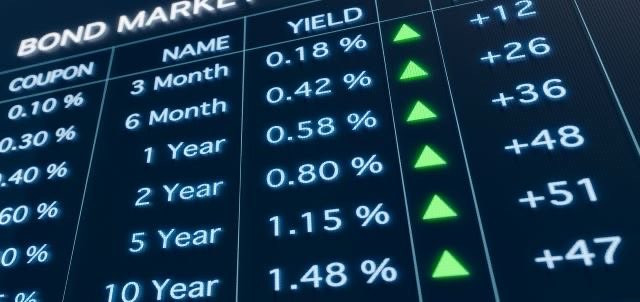
Bond yields are one of the most closely watched indicators in the financial world. They serve as a barometer for the health of the economy, influencing everything from mortgage rates to the cost of borrowing for businesses. But how exactly do bond yields work, and why are they so crucial?
What Is a Bond Yield?
A bond yield represents the annual return an investor earns by holding a bond until it matures. Bonds have fixed terms, with maturity dates ranging from two to 30 years, and a set face value, which is the amount repaid at maturity. They also offer a fixed annual interest rate, known as the coupon rate.
For example, if you purchase a 10-year Treasury bond for $1,000 with a 4% yield, you'll receive $40 annually, and after 10 years, you'll get your $1,000 back. However, bondholders can sell their bonds at any time, and the market value of the bond can fluctuate based on economic conditions.
The Price-Yield Relationship
Bond prices and yields move in opposite directions. If interest rates rise, new bonds are issued with higher yields, making older bonds with lower yields less attractive. As a result, the price of existing bonds drops, and their yields rise to stay competitive. This inverse relationship is why bond yields are so closely monitored.
For example, if new 10-year Treasury notes are issued with a 5% yield, a bondholder's 4% bond becomes less appealing, reducing its market price. As the bond's price decreases, its yield effectively increases, and vice versa.
Why Investors Care
Bonds are generally considered safer investments than stocks but typically offer lower returns. When the economy is strong, investors may prefer stocks, leading to lower demand for bonds and higher yields. However, rising Treasury yields signal that borrowing costs are also climbing, which can reduce enthusiasm for stocks.
The 10-year Treasury yield is often viewed as a proxy for long-term interest rates. If bond yields rise, it indicates that mortgages and other loans are about to become more expensive, potentially slowing consumer spending.
The Fed and Bond Yields
Bond yields aren't just important to investors; they are also a vital tool for monetary policy. The Federal Reserve closely monitors bond yields as part of its strategy to influence the economy. When the economy is overheating, the Fed raises short-term interest rates to cool things down. These short-term rates influence bond yields, which also tend to rise when interest rates are hiked.
This dynamic was evident in the wake of the economic crisis during the pandemic. In 2020, the Fed slashed short-term interest rates to near zero to encourage spending and support the economy. Consequently, bond yields plummeted to record lows. However, as the economy began to recover, bond yields started climbing, reflecting a stronger economic outlook.
By raising borrowing costs, higher bond yields help temper inflation by reducing consumer spending. Although higher interest rates can pinch consumers in the short term, they play a crucial role in stabilizing prices over the long run, making them an essential component of economic policy.
In Summary
Bond yields are critical for understanding economic trends. Whether you're investing or just tracking the economy, understanding bond yields can provide valuable insights into the broader economic landscape.
#investingeducation #bond #economicindicator #bondyield
What about you?
How do bond yields influence your financial decisions? Do you see them as an opportunity, or do they signal caution for your investments? Share your thoughts or questions, and let's discuss how to navigate these economic indicators together!