
How Interest Rates Are Set and What a Cut Means for You

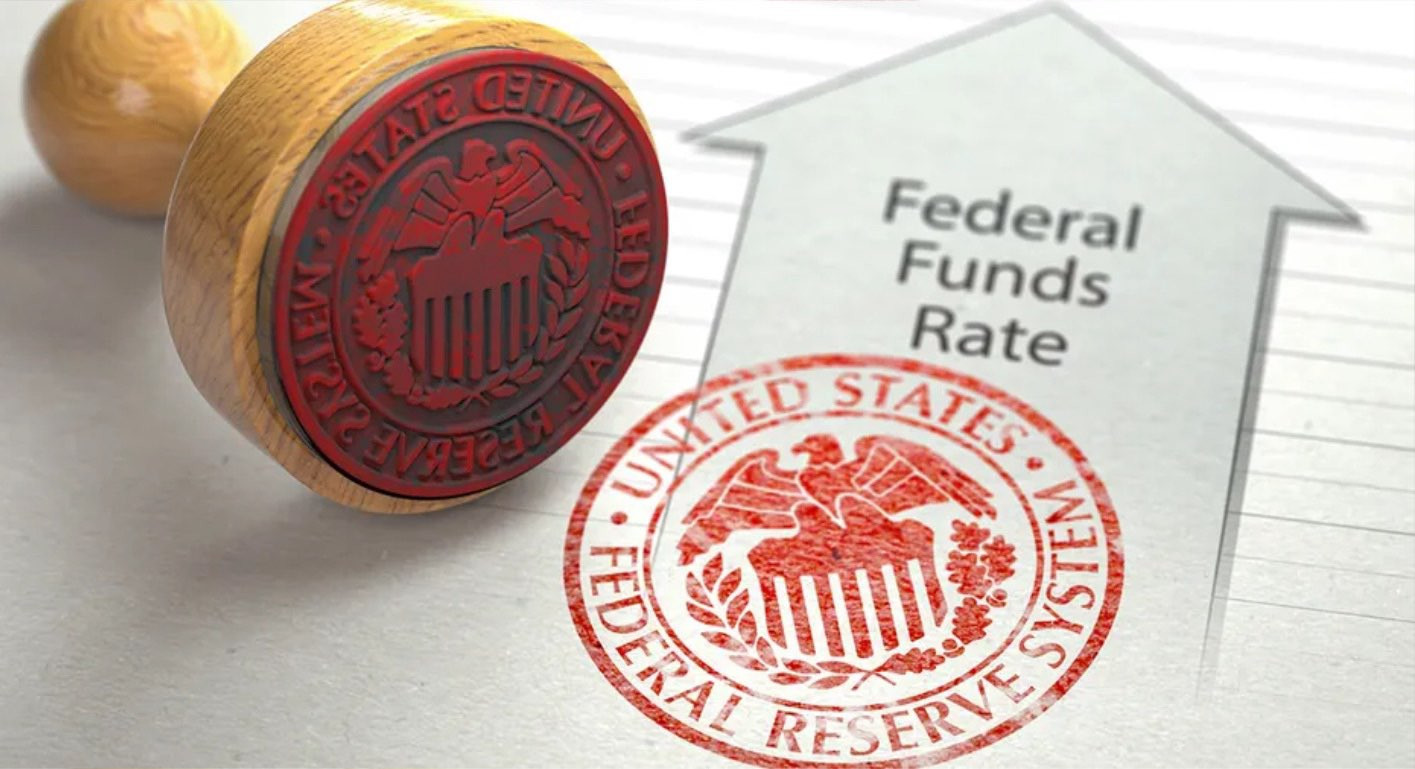
According to FXStreet News, San Francisco Federal Reserve President Mary Daly recently stated that the "Fed needs to cut policy rates because inflation is falling and the economy is slowing." Her statement underscores one of the Federal Reserve's most critical tools for managing the economy: interest rates. But how exactly are these rates set, and what impact do they have on your daily life? Let's explore.
How Interest Rates Are Set
The Federal Reserve, often referred to as "the Fed," plays a crucial role in setting the tone for interest rates in the U.S. economy. The key rate it controls is the federal funds rate, which is the interest rate that banks charge each other for overnight loans. This rate may seem distant from everyday life, but it has a significant ripple effect on the interest rates consumers see on everything from mortgages to credit cards.
The Fed adjusts this rate based on economic conditions. If the economy is growing too quickly and inflation is rising, the Fed may raise rates to cool things down. On the other hand, if the economy is slowing or inflation is too low, the Fed may cut rates to encourage borrowing and spending, which helps stimulate growth. Right now, with inflation cooling and the economy facing headwinds, there's a strong argument for a rate cut.
How an Interest Rate Cut Could Affect Consumers
A cut in interest rates isn't just a move in the world of finance—it has real implications for consumers. Here's how a rate cut could impact you:
1. Lower Borrowing Costs:
Home Loans: When rates are cut, mortgage rates often follow. For homebuyers, this means lower monthly payments, making homeownership more affordable. If you already have a mortgage, it might be a good time to refinance and lock in a lower rate.
Car Loans: A rate cut can also make it cheaper to finance a car. Lower interest rates mean smaller monthly payments, which can make that dream car a little more accessible.
Credit Cards: Many credit cards have variable interest rates, meaning that when rates are cut, the cost of carrying a balance on your credit card could decrease. This is welcome news for consumers managing debt.
2. More Affordable Big Purchases:
Lower interest rates don't just affect loans—they also make financing big-ticket items like appliances, furniture, and electronics cheaper. With borrowing costs reduced, consumers may feel more confident in making these purchases, potentially boosting the broader economy.
3. Challenges for Savers:
While lower interest rates are great for borrowers, they're not as friendly to savers. When rates are cut, the interest paid on savings accounts, certificates of deposit (CDs), and money market accounts often falls. This means your savings may grow more slowly, making it harder to achieve financial goals like retirement.
4. Stock Market Boost:
Rate cuts often boost the stock market. Lower borrowing costs make it easier for businesses to invest in growth, which can lead to higher stock prices. For consumers with investments in stocks or retirement accounts, this could mean better returns—at least in the short term.
What's Next for Consumers?
Mary Daly's comments signal that the Fed is taking action to prevent a further slowdown in the economy. For consumers, this means it's time to keep an eye on interest rate trends. Whether you're looking to buy a home, finance a car, pay down credit card debt, or simply decide how to manage your savings, interest rates will play a pivotal role in your financial decisions.
In a changing economic environment, understanding how interest rates are set—and how they affect your wallet—can help you make smarter financial choices. As the Fed considers its next move, you can be ready to take advantage of the opportunities that a rate cut may bring.