
Asset Allocation: What It Is and Why It Matters

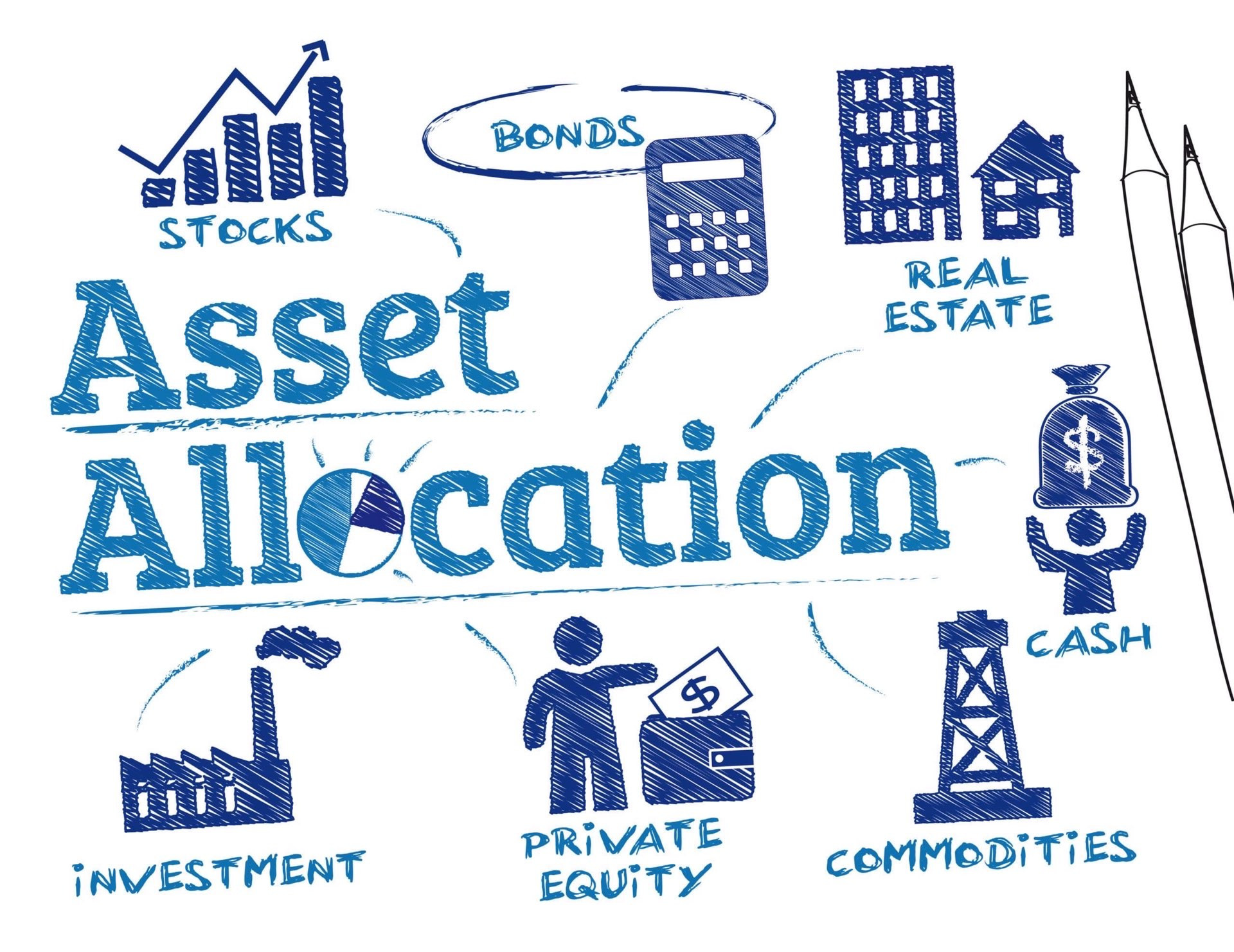
As early as the 17th century, the famous Spanish writer Cervantes remarked, "A wise man never puts all his eggs in one basket." This simple yet powerful idea reflects a fundamental principle of asset allocation.
Today, as financial markets have become more sophisticated, many investors hold a mix of assets such as bonds, stocks, and other investments to create their asset allocation strategy. However, do we truly understand the essence of asset allocation? It's not merely about holding a variety of assets—it's about managing them effectively to balance risk and reward.
The Risk of Betting on a Single Asset
David Darst, known as one of the most passionate practitioners of asset allocation, shared an illustrative story. In 2000, he advised the founder of an internet company to diversify his wealth into a balanced asset allocation plan. However, the founder refused, choosing instead to heavily invest in tech stocks. Confident that his $2 billion net worth would grow to $10 billion, he ignored David's advice. When the tech bubble burst, the founder saw his fortune collapse, similar to the myth of Icarus, who fell when his wax wings melted.
This story highlights the danger of concentrating wealth in high-risk, single assets. Take the U.S. stock market, for example. The S&P 500 index, which tracks the largest 500 companies in the U.S., has historically provided an average annual return of around 10%. However, this comes with significant volatility—during the 2008 financial crisis, the index dropped nearly 40% in a single year. Investors who were solely focused on stocks during that period experienced massive losses.
While the potential returns from the stock market can be appealing, the wild fluctuations can be emotionally taxing for investors with lower risk tolerance. On the other hand, putting all your money into low-risk assets like government bonds may help avoid these swings, but limits your potential for long-term growth.
The Power of Diversification in Asset Allocation
So, is there a way to reduce risk without sacrificing expected returns or boost returns without increasing risk? The answer lies in diversification through proper asset allocation, often called a "free lunch" in finance. Here's how it works:
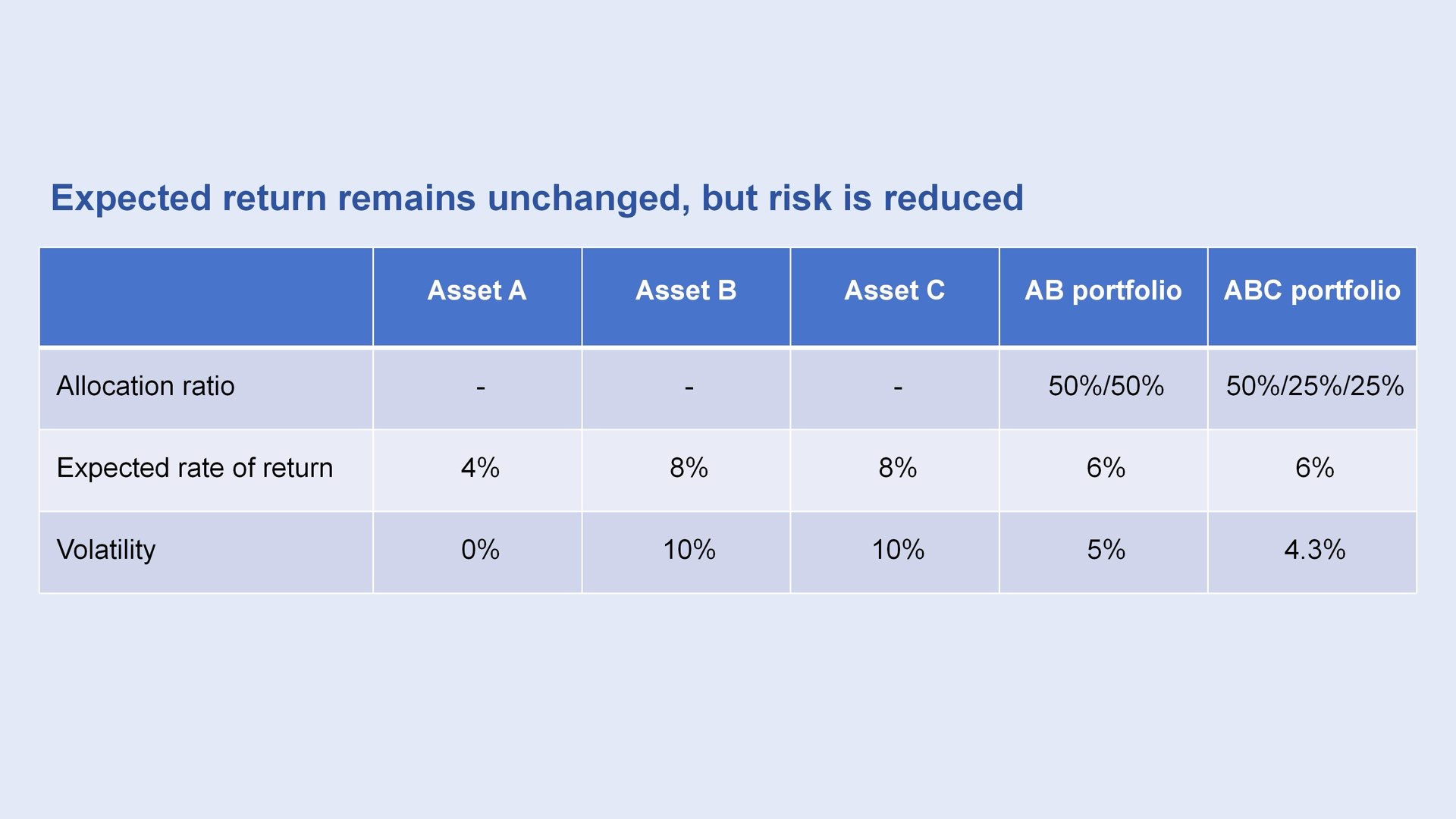
Imagine you have three types of assets: cash (Asset A), a risky stock (Asset B), and another risky stock (Asset C). The relationship between B and C is represented by a correlation coefficient. If the correlation is 1, they move perfectly in sync; if 0, they move independently; and if -1, they move in opposite directions. For this example, assume B and C have a correlation of 0.5.
When you combine Assets A and B, you get a portfolio with an expected return of 6% and volatility of 5%. Now, if you add Asset C to create a more diversified ABC portfolio, the expected return remains 6%, but the volatility drops from 5% to 4.3%. This means diversification reduced the portfolio's risk without lowering returns.
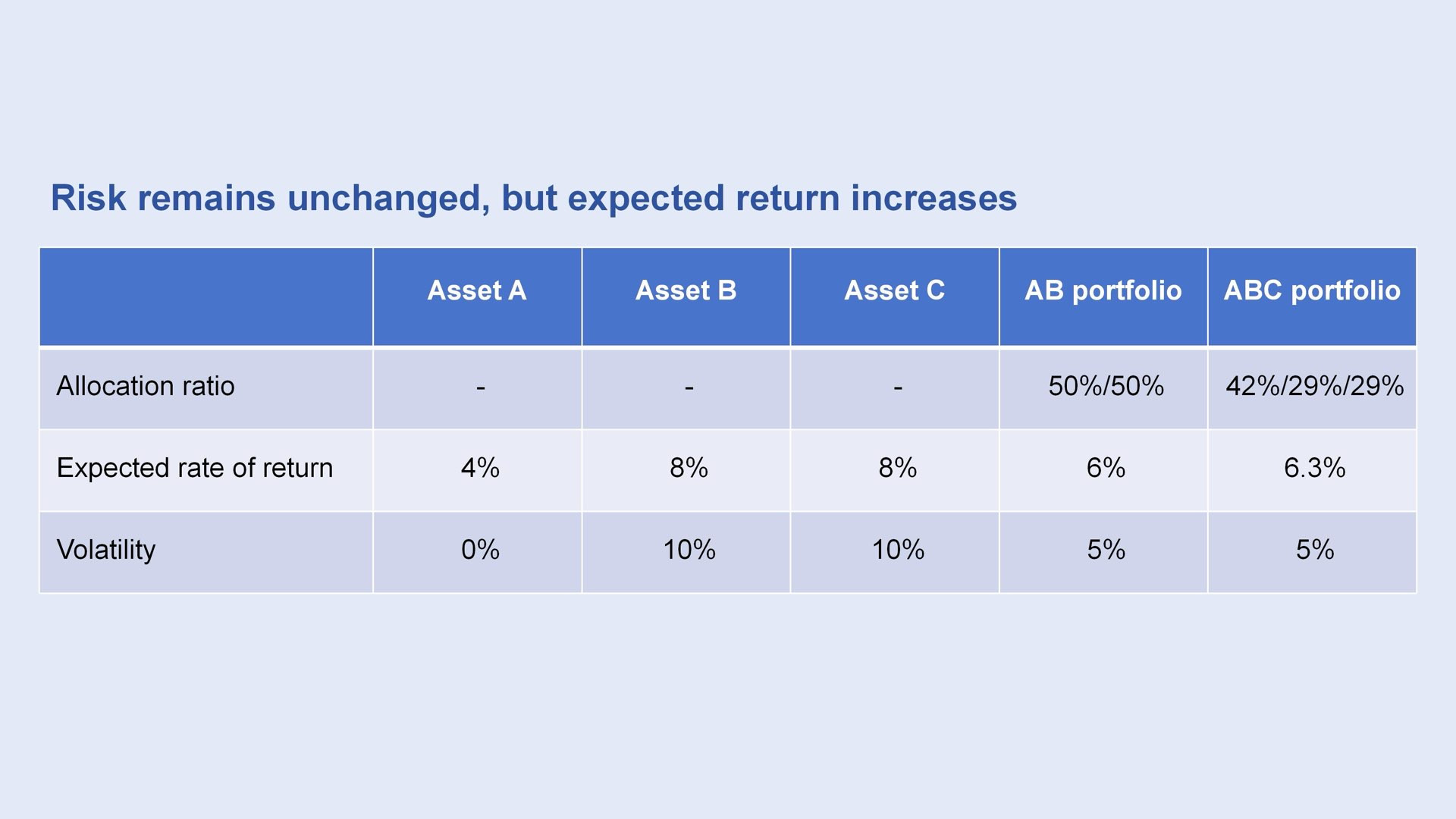
Alternatively, you could keep the volatility unchanged and still increase expected returns. After adding the less correlated Asset C, the expected return rises from 6% to 6.3%.
The Core of Asset Allocation
At its core, asset allocation is about finding assets that are less correlated with each other to build a diversified portfolio. This strategy not only provides multiple sources of returns but also helps spread risk, making your portfolio more resilient to market volatility.
But what specific assets should you combine to maximize the benefits of asset allocation? In the next article, we will guide you through the many benefits of asset allocation and help you understand how to optimize or create a portfolio tailored to your specific needs. Stay tuned!