
Will the Fed Cut Rates by 50 or 25 Basis Points? Stay Tuned for the Big Reveal!

The upcoming Federal Reserve meeting is drawing significant attention due to the uncertainty surrounding the size of the anticipated interest rate cut. While the market is split between a traditional 25-basis-point reduction and a more aggressive 50-basis-point cut, the outcome remains unclear. The meeting will also unveil future projections for rate adjustments and updated economic estimates, making it a pivotal moment for both markets and policymakers.
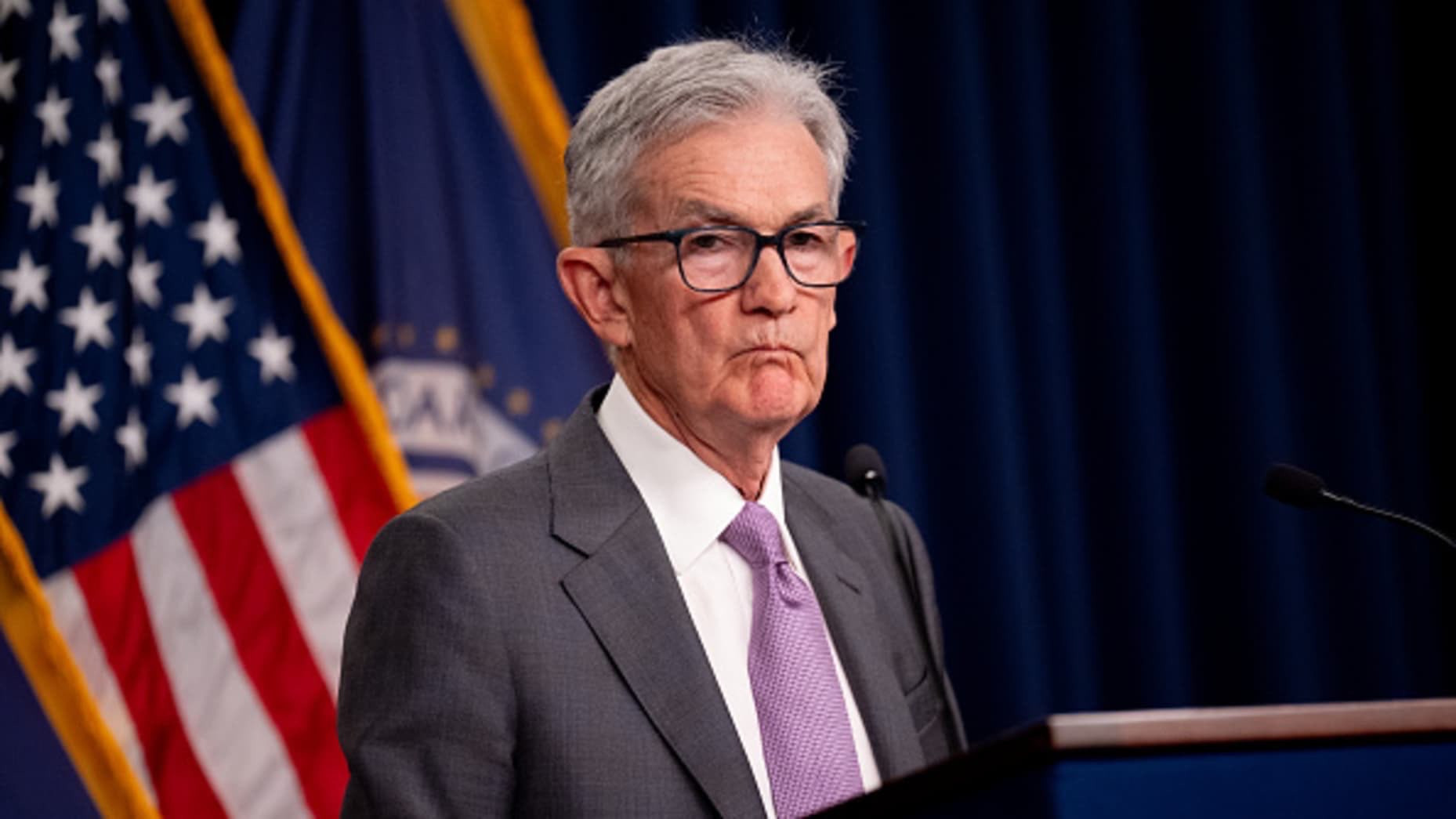
As a market analyst, I’m closely watching how the Fed will balance inflation control with growing concerns over the slowing labor market. In my view, a 50-basis-point cut would signal that the Fed is prioritizing economic growth, especially given the recent rise in unemployment and easing inflation. However, I wouldn’t be surprised if the Fed opts for the more conservative 25-basis-point cut, maintaining a cautious stance in the face of uncertainty.
The Fed’s updated “dot plot” and economic projections will offer crucial insights into the long-term outlook, especially regarding unemployment and inflation targets. With a press conference by Chair Powell following the announcement, we can expect further clarity on how the Fed plans to navigate the balance between inflation risks and economic growth.
Historically, the performance of U.S. stocks, bonds, and the dollar following a Federal Reserve rate cut largely depends on the overall health of the U.S. economy.
In the stock market, when the Fed cuts rates during an economic recession, the S&P 500 has typically underperformed, with an average decline of 4% within six months of the first rate cut. Conversely, during periods without a recession, when the Fed lowers rates to normalize monetary policy, the S&P 500 often rallies, averaging a 14% increase over the same timeframe. This distinction shows that economic conditions are key to how stocks react to rate cuts.
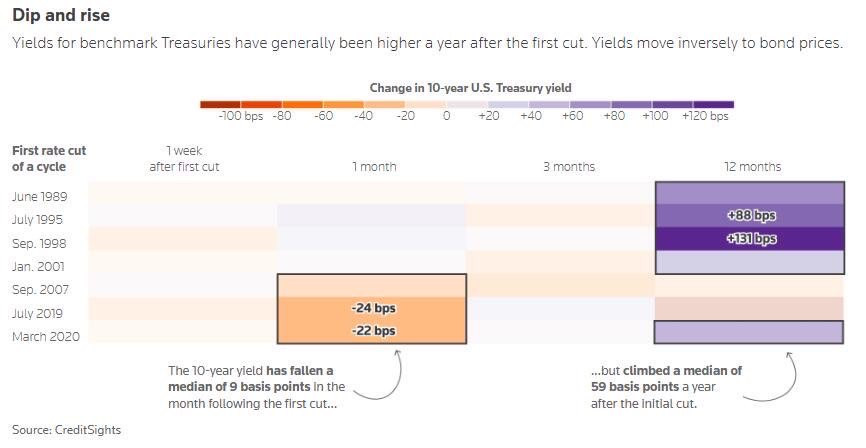
In the bond market, U.S. Treasuries are favored during recession-driven rate cuts, as investors seek safe-haven assets. Yields generally fall as bond prices rise in response to rate cuts. However, if the economy avoids a recession, the rise in bond prices may be more limited. Historically, after a rate cut, 10-year Treasury yields tend to decrease initially but may rise within a year as markets begin pricing in economic recovery.
For the U.S. dollar, the reaction to Fed rate cuts depends on both the U.S. economy and the actions of other central banks. During non-recessionary rate-cutting cycles, the dollar has historically appreciated, gaining an average of 7.7%. However, in recessionary periods, the dollar's gains are much smaller, averaging just 1.8%. Additionally, when multiple global central banks cut rates simultaneously, the dollar tends to outperform, while isolated Fed rate cuts can weaken the currency.
What's your take on today's interest rate cut? Are you leaning towards a 50 bps or 25 bps reduction? #interestrate #Fed #Economy
If you haven't voted on ADDX Go yet, make sure to cast your vote now and increase your chance to win $20,000!