
Fed's Strategic Balancing Act: Navigating Rate Cuts and Market Expectations Amid Economic Uncertainty

In the early hours of today, the U.S. Federal Reserve announced its decision from the September FOMC meeting, lowering the federal funds rate by 50 basis points to a range of 4.75% to 5.00%, officially marking the start of a new rate-cutting cycle. This meeting, which included an economic outlook and a dot plot, revealed a downward revision of GDP growth expectations for the year from 2.1% to 2.0% and a significant increase in the projected unemployment rate from 4.0% to 4.4%. Fed Chair Jerome Powell justified the 50 basis point cut, citing employment data revisions and suggesting that the cut might have occurred earlier if the July employment data had been available.
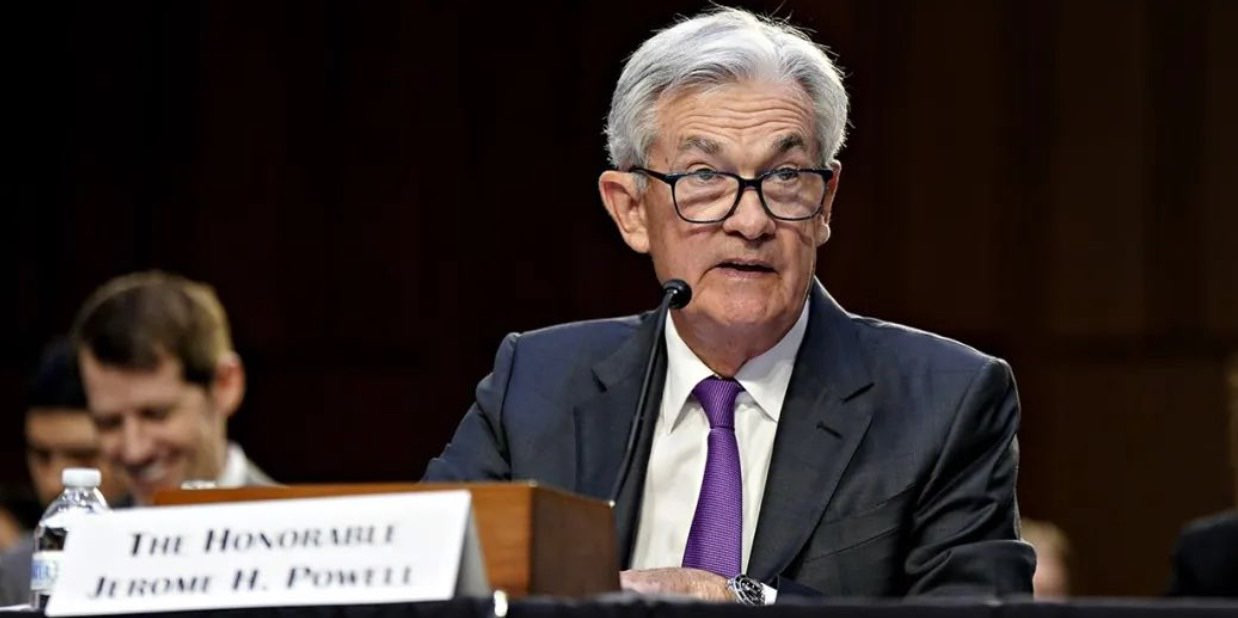
The Fed also released a highly hawkish dot plot to manage market expectations, indicating two more 25 basis point rate cuts this year, four in 2025, and two more in 2026. This slow pace of rate cuts contrasts with the initial, larger-than-expected 50 basis point reduction. The bond market's reaction was volatile, with the two-year Treasury yield ultimately settling around 3.60%, below the 3.78% implied by the Fed's projections. The market seems to favor a more aggressive pace of cuts in the near term, followed by a slower approach, reflecting a compromise between the Fed's guidance and market realities.
The Fed's strategy of tightening rate cut expectations is designed to prevent excessive market reactions that could signal an impending recession. By combining a significant initial rate cut with a cautious outlook for future cuts, the Fed aims to maintain economic stability and avoid triggering a premature market downturn. This approach is intended to release liquidity while controlling inflationary pressures and preventing the kind of market disruption seen earlier this year.