
What is ESG Investing and Its Pros and Cons?

Investing has long been seen as a way to grow wealth and achieve financial goals like retirement. However, for many, investing brings up a moral dilemma: how can one invest in companies without inadvertently supporting harmful practices such as pollution, exploitation, or corruption? Enter ESG investing, a strategy that aims to reconcile financial returns with ethical concerns.
What is ESG?
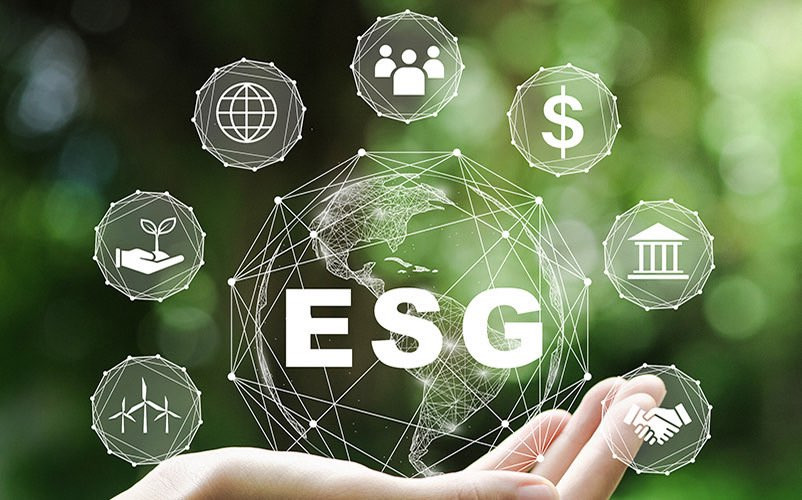
ESG stands for Environmental, Social, and Governance. These are the three main pillars used to evaluate how a company impacts society beyond just profits:
- Environmental: This includes a company's impact on the planet, such as its pollution levels, resource use, and overall sustainability efforts.
- Social: This focuses on a company's relationships with its employees, customers, and communities, including human rights, labor practices, and diversity.
- Governance: This covers corporate leadership, internal controls, and how a company is run, including executive pay, shareholder rights, and board diversity.
How ESG Investing Works
ESG investing incorporates these non-financial factors into traditional investment strategies. Investors assess companies not only on their potential profitability but also on how well they align with ethical standards. Two broad strategies are commonly used in ESG investing:
1. Negative Screening: This approach excludes companies that operate in industries or engage in practices that the investor wishes to avoid, such as tobacco, firearms, or companies with poor human rights records.
2. Positive Screening: Rather than excluding bad actors, this method seeks out companies actively involved in positive initiatives, such as renewable energy or diverse hiring practices.
The Pros of ESG Investing
1. Aligning Investments with Values: ESG allows investors to support companies that reflect their personal beliefs, helping them feel good about where their money is going.
2. Lower Regulatory Risk: Companies with strong ESG practices are less likely to face lawsuits or regulatory changes that could damage their bottom line.
3. Appeal to Conscious Consumers: Companies that are socially responsible often attract loyal customers who value ethical practices, potentially driving higher revenues.
4. Long-term Stability: Companies that prioritize ESG factors may be better positioned for long-term success, as they are often proactive about changes in regulation, market trends, and societal expectations.
The Cons of ESG Investing
1. No Standard Definition: There's no universal standard for what qualifies as ESG. This means different ESG funds can include companies that don't necessarily align with an investor's values, such as fossil fuel companies in a fund labeled as "environmentally conscious."
2. Higher Costs: ESG funds often come with higher fees due to the additional research required to screen companies. In addition, stocks with strong ESG scores tend to trade at higher prices, meaning you might pay a premium.
3. Limited Diversification: Strict ESG criteria can limit the number of companies available for investment, potentially leaving portfolios more concentrated in specific sectors and vulnerable to unique risks.
4. Greenwashing: Some companies exaggerate or fabricate their commitment to ESG principles, a practice known as "greenwashing," making it difficult to determine whether a company is genuinely ethical.
Should You Invest in ESG?
Ethical investing is a deeply personal choice. For those who want to balance financial goals with social responsibility, ESG offers a compelling option. But it's essential to research carefully, read fund prospectuses, and decide whether the potential trade-offs—like higher fees or limited diversification—are worth the alignment with your values.
At the end of the day, ESG investing isn't a perfect solution, but it provides a way for investors to contribute to a better world while working towards their financial goals.
#investingeducation #ESGinvesting
What do you think? Would you prioritize ethics in your investment decisions, even if it means paying a bit more or accepting higher risks? Share your thoughts in the comments below—let's start a conversation about investing for a better future!