
China's Recent Economic Strategy and Market Impact

Zeyuan Li
September 29, 2024
GoGPT Summarizes Articles
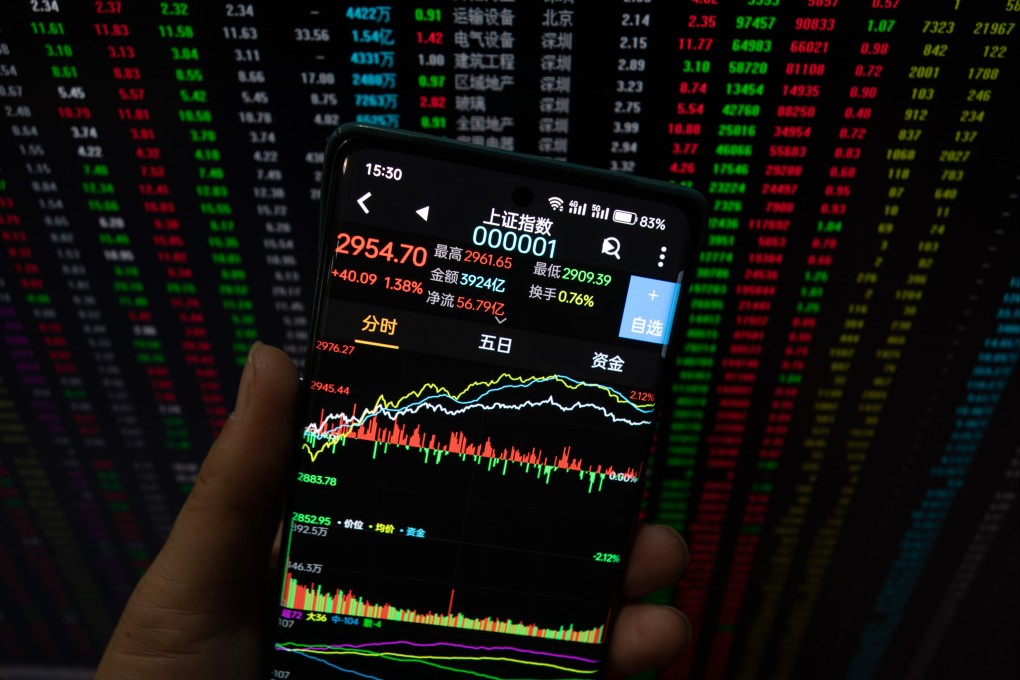
The recent surge in Chinese equities traded in Hong Kong, climbing 20% from their recent lows, highlights the significant impact of China's stimulus measures on investor sentiment. With the Chinese government wielding its economic "bazooka" to support the stock market, including interventions by the People’s Bank of China such as lowering key benchmark rates, the financial landscape is experiencing a notable shift.
While these immediate measures have attracted tactical traders and momentum-driven investors, prompting a bullish run on Chinese equities, a more nuanced question looms for long-term investors:
Can these short-term boosts effectively combat China's underlying challenges stemming from a balance sheet recession?
China's economic landscape presents a unique set of hurdles, notably characterized by excessive private sector debt. In this context, the efficacy of traditional tools like interest rate reductions is called into question. Drawing lessons from the aftermath of the Great Financial Crisis, it becomes evident that China's economic intricacies demand a more holistic approach to sustainable recovery.
Complicating this economic narrative is China's demographic reality. With an aging population and a rising dependency ratio, the sustainability of future passive income streams is cast into uncertainty. Lower interest rates, while potentially stimulating immediate economic activity, could inadvertently impact non-working elderly populations reliant on passive income, while also necessitating higher savings rates for the working demographic to secure future financial stability.
This interplay between economic policy, demographic shifts, and market dynamics underscores the complexity of China's economic trajectory. As investors navigate these waters, attention is drawn to standout performers in the Hang Seng Index such as Meituan and JD.com, signaling growing optimism around consumer spending trends. Similarly, luxury stocks like LVMH in Europe reflect a broader market sentiment favoring sectors poised to benefit from increased consumer confidence and spending patterns.
In this evolving landscape, the convergence of economic policy, market forces, and demographic realities paints a nuanced picture of China's economic resilience and the intricate challenges it must address to navigate its path forward amidst a complex global economic backdrop.
#china’s stock market rally could just be getting started#china#bankofchina#stockmarket