
Endowment Effect: What Is It and How to Overcome It?

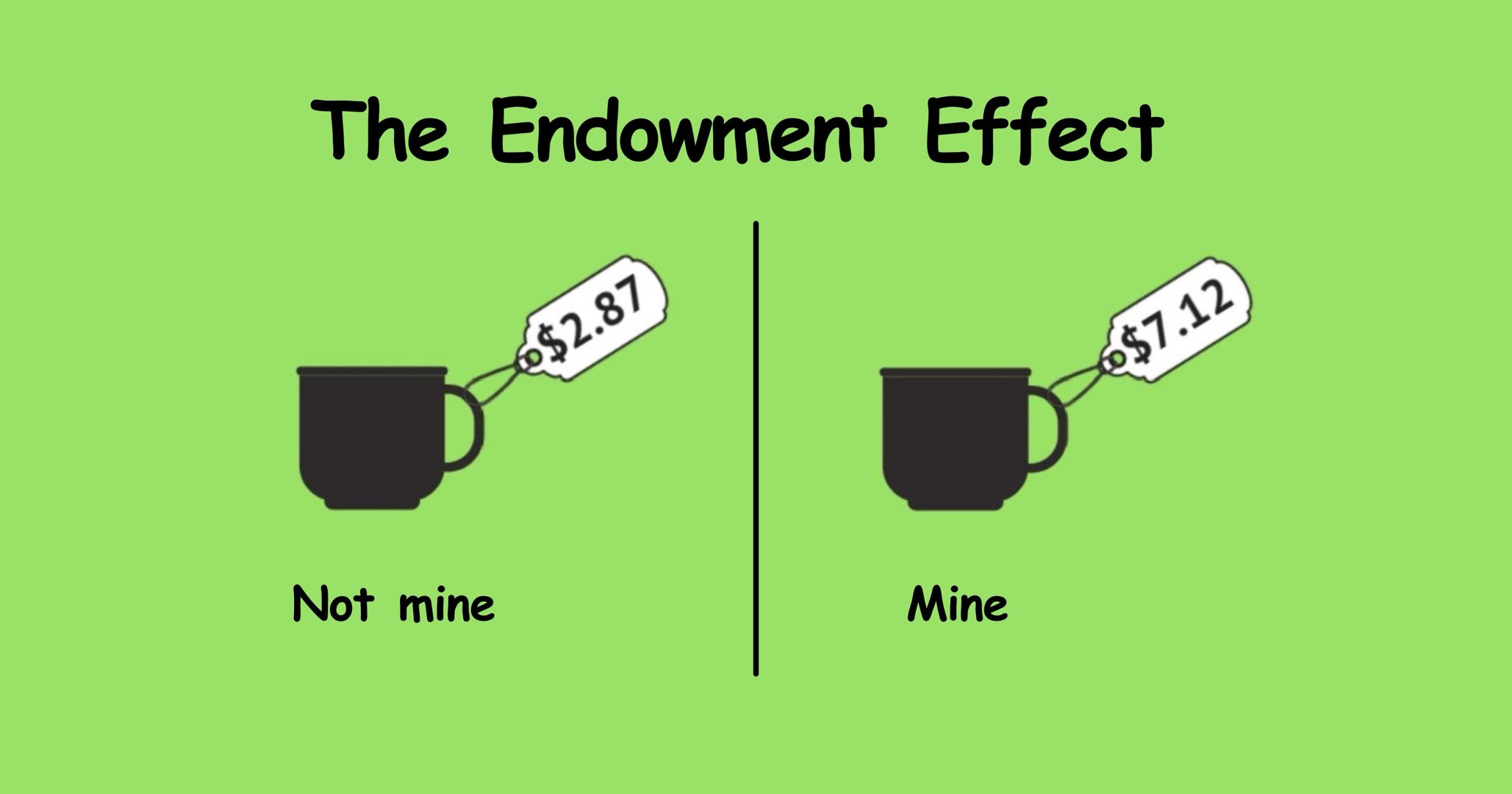
Imagine holding onto a beloved old shirt that's seen better days—its frayed edges and faded colors hardly justify your emotional attachment. Yet, you cling to it because it's yours. This quirky human tendency, known as the endowment effect, can wreak havoc on our investment decisions too. Essentially, once we own something—be it a stock, a fund, or a physical asset—we often irrationally inflate its value, making it tough to assess whether it's truly a keeper or time to let go.
Causes of the Endowment Effect
So, what drives this endowment effect? Two main factors come into play: familiarity bias and loss aversion. Familiarity bias leads us to favor what we know, making it hard to part with assets, even if they're underperforming. This attachment can create a sense of security, causing us to overlook better alternatives. On the other hand, loss aversion highlights our tendency to feel the pain of losing money much more intensely than the joy of making gains. Together, these biases can trap investors in a cycle of holding onto assets out of fear, hindering our ability to make rational decisions.
Negative Impacts of the Endowment Effect
The consequences of the endowment effect can be significant. By overvaluing what we own, we risk missing out on superior investment opportunities. This emotional bias can lead to indecision when it comes to rebalancing portfolios, as investors become paralyzed by the fear of loss. As a result, portfolios can become outdated and misaligned with current market conditions, ultimately stifling financial growth and progress.
How to Overcome the Endowment Effect
So, how can we break free from this psychological trap?
Step One: Master Your Emotions
Start by taking a deep breath. Emotional reactions to market fluctuations—whether it's joy over gains or despair over losses—can cloud your judgment. Take a step back and reassess your investments without the emotional baggage, allowing for clearer thinking.
Step Two: Adopt an Outsider's Perspective
Now, put on your imaginary analyst hat. Examine your investments as if they belonged to someone else. What are their strengths and weaknesses? Seek out differing opinions and challenge your own biases. This shift in perspective can help you uncover the true value of your assets, allowing for a more objective analysis.
Step Three: Act Decisively
Once you've thoroughly analyzed your holdings and identified those that no longer align with your goals, it's time for action. Don't let fear or attachment to the familiar keep you from making necessary adjustments. Embrace change and optimize your portfolio for better performance.
Conclusion
By recognizing and addressing the endowment effect, you empower yourself to make smarter, more objective investment decisions. Remember, sometimes the best investment is the one you don't make—and letting go can open doors to greater opportunities.
#investingeducation #TradingPsychology
Now, let's hear from you! Have you ever experienced the endowment effect in your investments? Share your story or thoughts in the comments below! Embrace the power of objectivity, and watch your investment strategy flourish!