Hot Spot Radar: Still can Shift from US stocks to China Assets?

The People's Bank of China announced a series of large-scale economic stimulus packages aimed at boosting the domestic economy and stabilizing financial markets. This move quickly spread to international markets, especially European markets.
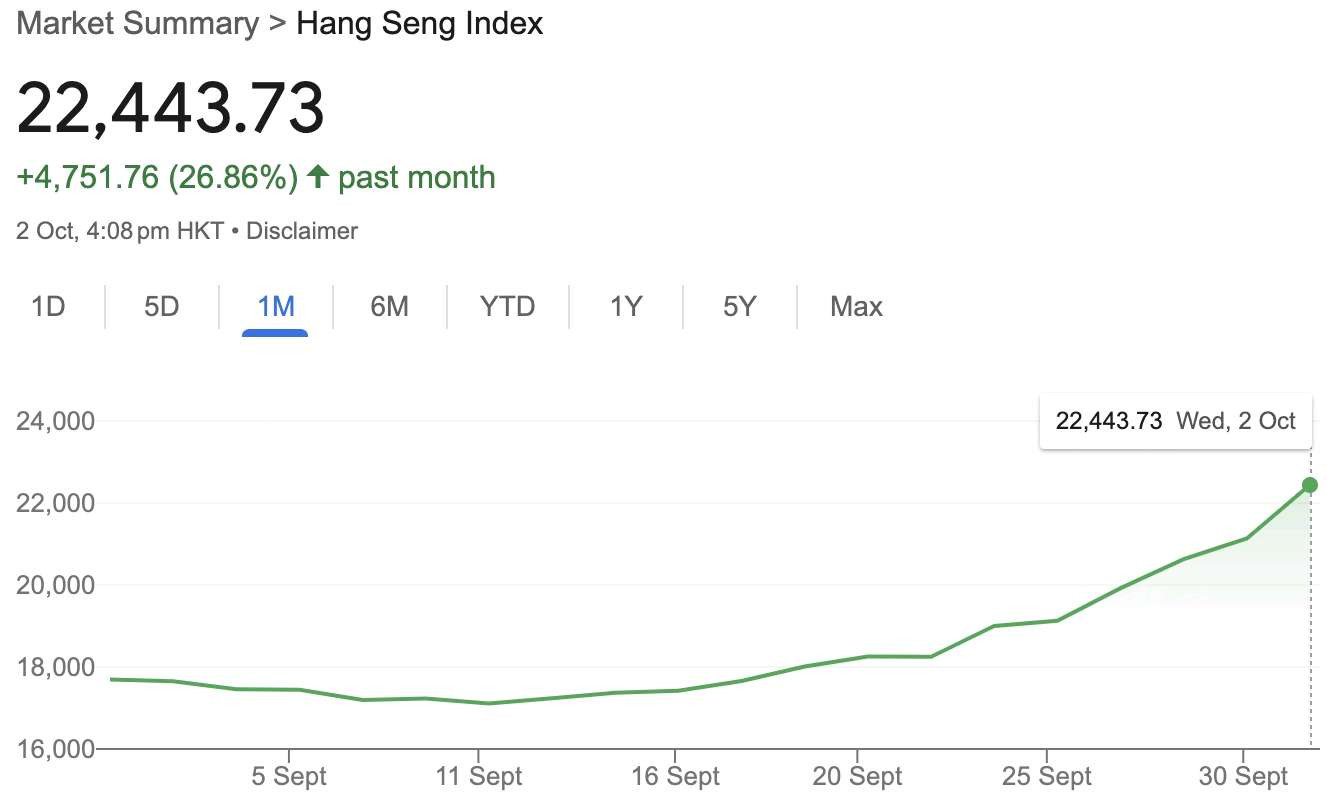
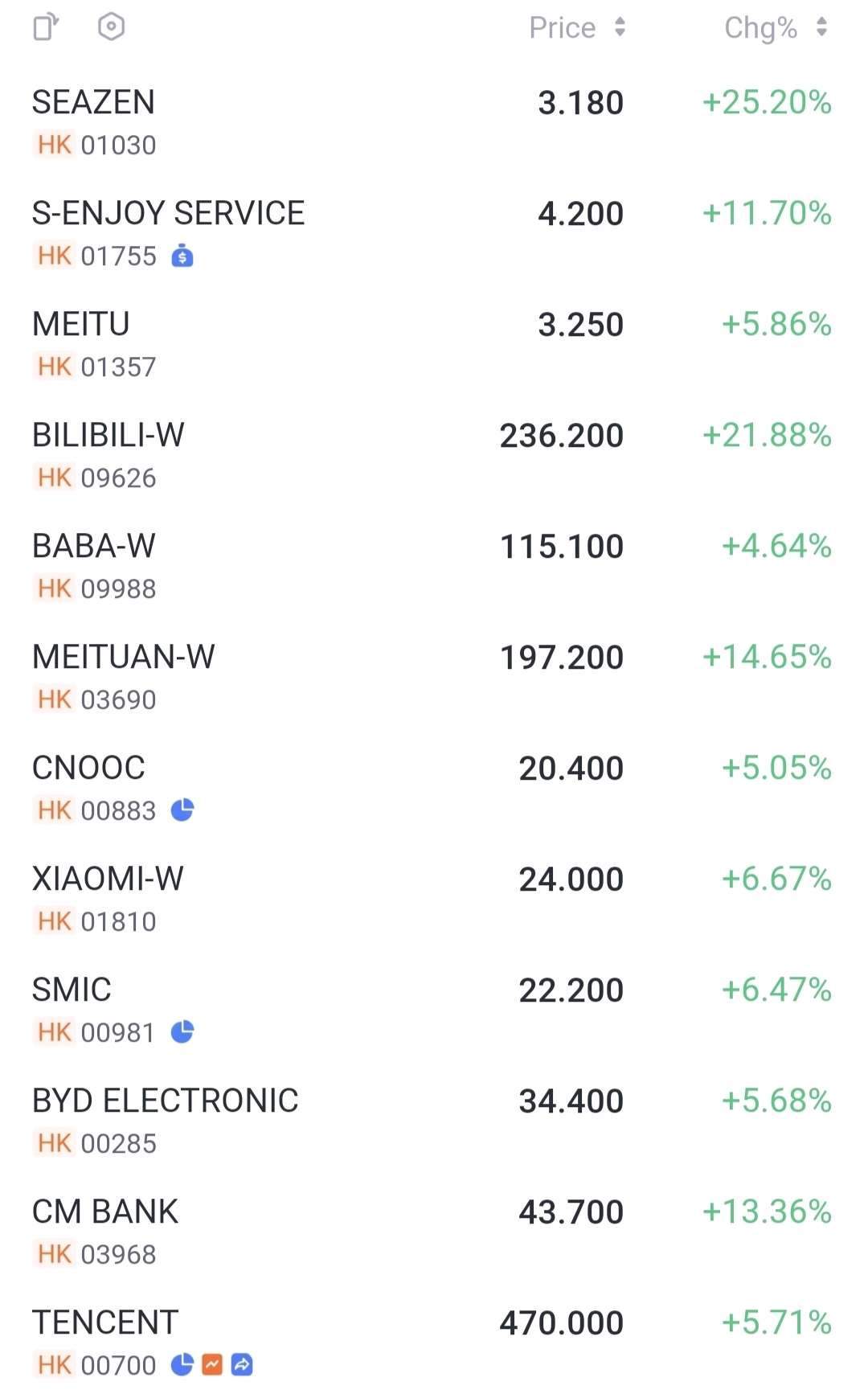
With the outbreak of Chinese assets, investors have turned their attention to Chinese concept stocks, Hong Kong stocks and related ETF products. The continuous surge in Chinese concept stocks has set a record for the best performance in two years. Today, the Hong Kong Hang Seng Index continued to surge 6.2% to 22443.73 points. At the same time, the RMB exchange rate against the US dollar also broke through the important mark of 7.0, showing that the market is strongly optimistic about Chinese assets.
Introduction to the Financial Combination
In response to the economic slowdown, the Chinese government has launched a series of policy combinations, known as the "Financial Combination", which mainly include measures such as lowering the reserve requirement ratio, lowering interest rates, and lowering the interest rates of existing mortgage loans. The goal of these measures is to increase liquidity and reduce financing costs to enhance the investment confidence of enterprises and individuals. Specific measures include:
- Rest requirement ratio reduction: directly release liquidity in the banking system, and it is expected that up to 2 trillion yuan of funds can be released
- Interest rate reduction: further reduce the financing cost of the real economy and promote consumption and investment.
- Support qualified securities, funds, and insurance companies to obtain liquidity from the central bank through asset pledges.
- Create a special re-loan for stock repurchase and increase holdings to guide banks to provide loans and support listed companies and shareholders to repurchase and increase their holdings of stocks.
- Create new monetary policy tools to support the stable development of the stock market
- Lowering the interest rate of existing mortgage loans and reducing the down payment ratio: to support the recovery of the real estate market and promote residents' housing consumption.
The impact of financial combo boxing
Is this policy stimulus lasting?
The sustainability of the policy depends largely on the speed of China's economic recovery and the global economic environment. The current policy design includes both short-term liquidity stimulation and medium- and long-term structural reforms. The goal is to maintain the stable development of the market amid continued economic adjustment. For example, RRR cuts and interest rate cuts will provide long-term financial support to the market, while mortgage interest rate adjustments are mainly to activate medium- and long-term demand in the real estate market.
Impact on the stock market:
Funding: The policy of cutting reserve requirements and interest rates has released a large amount of liquidity, which will directly promote the inflow of funds into the stock market. As of the close of trading on September 27, the Hang Seng Index of Hong Kong stocks closed up 3.55%, standing above the 20,000 point mark, with a full-day turnover of 445.748 billion. Hong Kong dollar hits record high. In an environment of loose funding, the market's capital costs are reduced, which has a significant positive impact especially on capital-intensive industries (such as real estate and finance). In addition, abundant funds will also stimulate investors' preference for risky assets, thereby pushing up the stock market.
Policy aspect: These policies have obvious support for traditional industries such as real estate and infrastructure, and will also have a positive impact on emerging industries such as technology and consumption. In particular, government policies clearly point out the need to support technological innovation and new infrastructure, which is a major benefit to technology stocks and companies in related industrial chains.
International impact:
The reaction of global capital markets is also paying close attention to the direction of China's economic policies. Uncertainty in Sino-US relations still exists, but the continued and stable recovery of China's economy provides huge room for imagination for the global layout of Chinese concept stocks, Hong Kong stocks and Chinese assets. Investors are generally optimistic about China's important position in the global supply chain.
Overseas hedge funds with ultra-underweight Chinese assets began to pour in. Goldman Sachs said that Chinese stocks have been bought by Goldman Sachs PB business (macro managers, quantitative and multi-strategy managers, that is, short-term traders) for 8 consecutive days, but traditional long-term investors (long-only) have still not started to act. This group may be forced to increase their positions.
Are Chinese assets worth buying now?
Valuation level
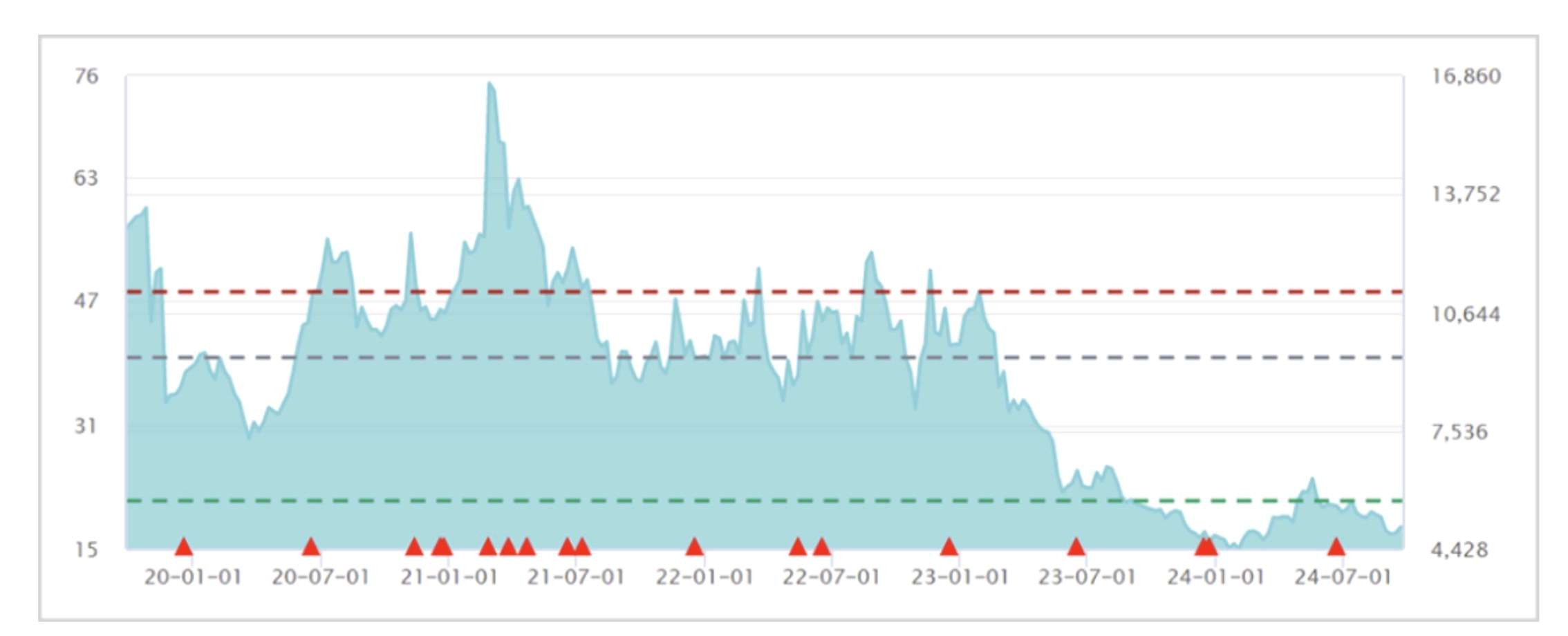
According to Wind, as of September 23, the valuation of Chinese concept stocks was 17.75 times, which is far lower than the median valuation and opportunity value of the past five years. Compared with historical levels, the Golden Dragon Index is still at the bottom.
How to seize investment opportunities
Chinese concept stocks:
Recently, Chinese concept stocks have performed well in the US stock market, especially technology stocks and consumer stocks. The Chinese concept stock index represented by the Nasdaq China Golden Dragon Index has continued to rise under the dual effects of China's favorable economic policies and the Federal Reserve's policy shift. Leading stocks such as Alibaba, Baidu, Tencent and other companies have strong fundamental support and are worthy of investors' attention.
ETFs:
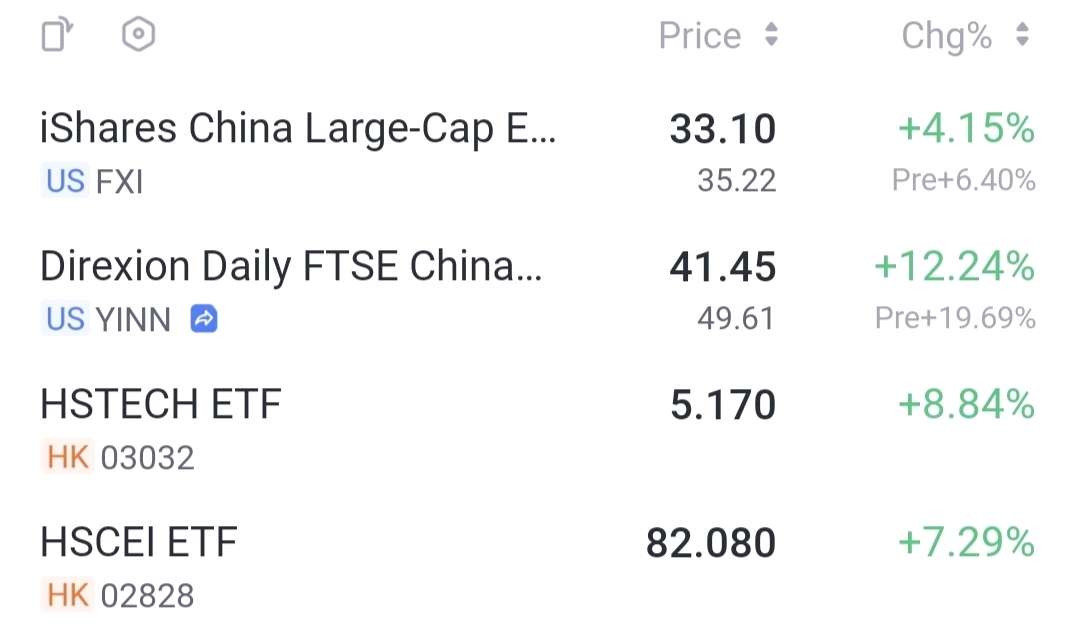
ETFs are an ideal tool for investors who want to participate in Chinese asset investments in a low-cost way. Investors can choose ETFs that track Chinese technology stocks, infrastructure stocks, or consumer stocks. For example, KWEB (KraneShares CSI China Internet ETF) is an ETF focused on Chinese Internet companies, benefiting from China's policy-based technological support. At the same time, some ETFs that track large-cap Hong Kong stocks or A-shares are also good choices.
Hong Kong stocks
The Hong Kong stock market is an important financing platform for Chinese companies, and many mainland companies are listed on the Hong Kong Stock Exchange. The Hong Kong financial market has benefited from the support of Chinese policies, especially in the financial and real estate sectors. Many high-quality Hong Kong stocks are currently valued at relatively low levels and have great upside potential. For example, financial stocks such as China Construction Bank and Ping An of China deserve the attention of long-term investors in the current environment.
Emerging Market Funds
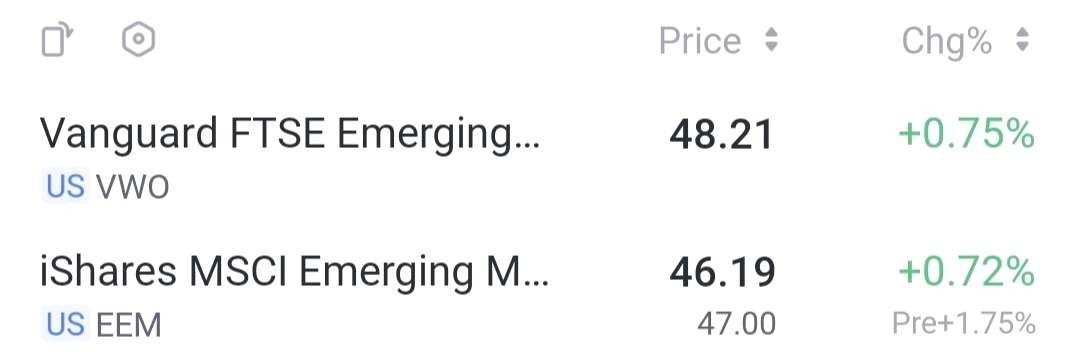
In the U.S. stock market, ETFs that reflect the performance of emerging markets have also strengthened due to the introduction of China's economic stimulus policies. For example, large emerging market funds such as iShares MSCI Emerging Markets ETF (EEM) and Vanguard Emerging Markets ETF (VWO) have attracted investors' attention. Data shows that the call option trading volume of these ETFs has also increased significantly recently, indicating that the market is optimistic about the future trend of emerging markets