
The 3 Times When You Should Sell a Stock – Warren Buffett's Timeless Wisdom

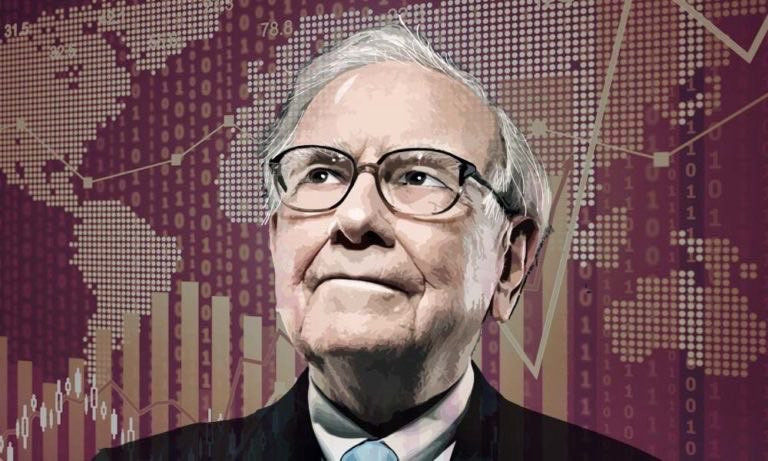
Selling a stock can often feel like a puzzle. Do you cash out after it's gone up to secure profits? Do you sell when it's dropped to cut your losses? Or maybe you consider selling because it's been stagnant while others boast of gains from cryptocurrencies? These are common questions every investor faces, but there's a piece of wisdom from Warren Buffett, the legendary investor, that can guide you through these tough decisions.
The Oracle of Omaha has spoken about the art of selling stocks on various occasions, and his insights reveal that successful selling isn't just about timing the market but about knowing when a stock no longer aligns with your strategy. Let's dive into the three situations where Warren Buffett recommends selling a stock—and see if they can help guide your own investing choices.
1. When You Find a Better Opportunity
Warren Buffett has often emphasized the concept of opportunity cost. This simply means that when you invest in one company, you're effectively deciding not to invest in another. Early in his career, Buffett's decision to sell was frequently motivated by the discovery of something better. For instance, in 1959, Buffett sold his stake in a bank called Commonwealth Trust to invest in Sanborn Maps, a move that offered higher returns.
Buffett's philosophy is that if you can allocate your capital to a better opportunity, it's time to sell—even if the stock you're selling is doing well. It's not about chasing trends, but about strategically positioning your money in the investment that offers the highest potential for growth.
Takeaway: Ask yourself, "If I didn't own this stock, would I buy it today?" If the answer is no, and you've found a better opportunity, it might be time to sell.
2. When the Fundamentals of the Business Change
Buffett is known for his long-term perspective on investing, but even he acknowledges that sometimes businesses change in ways that no longer make them a sound investment. This is particularly true if the company's economic characteristics shift in a major way. A notable example occurred in 2020 when Buffett sold off his stakes in several major airlines, citing the impact of the COVID-19 pandemic on the airline industry.
Buffett has also sold companies like The Washington Post and Tesco when the competitive landscape changed or when management was no longer aligned with the company's long-term success. These decisions were driven not by short-term market fluctuations but by fundamental changes in the business model.
Takeaway: If the business you've invested in is no longer the same as when you bought it, and the future looks bleak, it's probably time to sell.
3. When a Single Holding Becomes Too Large
Diversification is crucial in managing risk. While Buffett has famously said, "Diversification is protection against ignorance," he also recognizes the importance of balance. Even Buffett has had to sell portions of his stock holdings when a single position grew too large. For instance, in the late 1960s, he reduced his stake in American Express when it made up too large a portion of his portfolio.
Overexposure to a single stock, even if it's performing well, increases your risk if something goes wrong. A concentrated portfolio can lead to huge gains, but it also magnifies potential losses.
Takeaway: If a stock has become a disproportionately large part of your portfolio, trimming it down may be wise to maintain a healthy level of diversification.
Final Thoughts: When Not to Sell
One critical mistake many investors make is selling based on emotions—whether fear from a price drop or excitement from a short-term gain. Buffett reminds us that a stock "doesn't know that you own it." The price you paid or how long you've held it should not dictate your selling decision.
Instead, consider the intrinsic value of the business, your investment goals, and whether there are better opportunities ahead. As Buffett would suggest, most of the time, doing nothing can be your best move.
Let's Talk!
What's the hardest part for you when deciding whether to sell a stock? Have you ever regretted a selling decision, or did you learn something valuable from it? Share your experience in the comments!