
Boeing's Major Layoffs: Crisis Strikes Again!

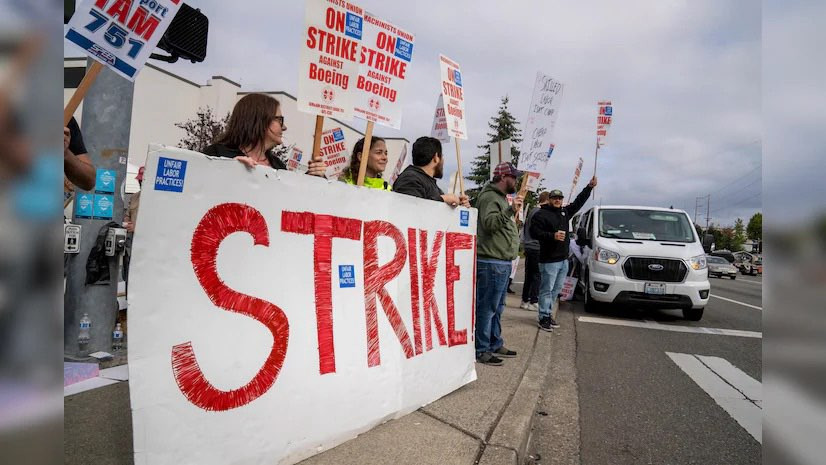
Boeing, the renowned aerospace manufacturer, has unveiled plans to cut 17,000 jobs globally, representing 10% of its current workforce. This strategic move comes amidst a turbulent period for the company, compounded by a series of operational difficulties.
The decision to slash jobs coincides with an estimated expenditure of up to $5 billion for Boeing's commercial aircraft and defense sectors. These expenses highlight the financial strain caused by recent incidents, including the rupture of a Boeing 737 MAX 9 cabin door at Alaska Airlines, regulatory pressures, and ongoing labor strikes.
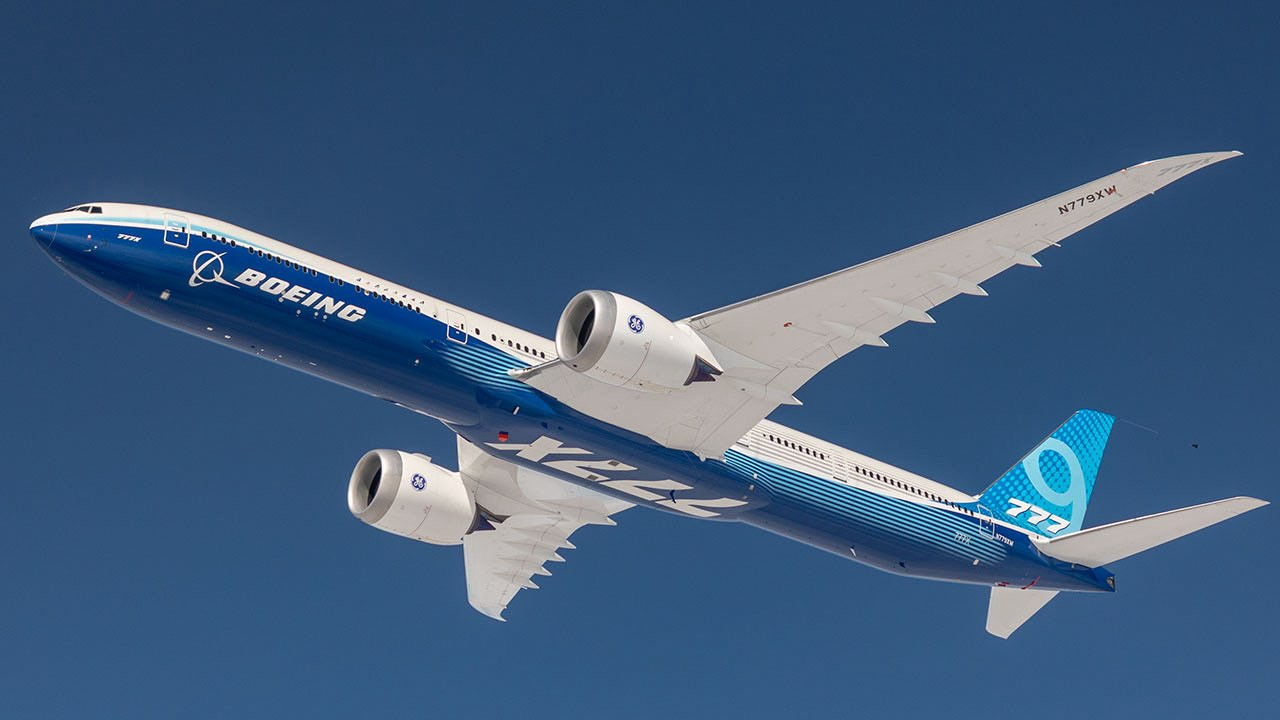
In addition to the layoffs, Boeing has postponed the production launch of its latest model, the 777X, to 2026 from the previously anticipated 2025 timeline. Furthermore, the company plans to halt the production of 767 freighters by 2027 post the fulfillment of existing orders.
Analysts at J.P. Morgan project potential pre-tax profit savings of around $1.7 billion, basing their estimates on an average annual salary of $100,000. This forecast underscores the broader industry implications of Boeing's restructuring efforts.
CEO Dave Calhoun faces a formidable task in steering Boeing through these turbulent times. The company's recent cost-cutting measures and preliminary financial disclosures aim to address its pressing financial challenges. However, negotiations with the International Association of Machinists and Aerospace Workers hit a roadblock earlier this week, leaving the resolution timeline uncertain.
With approximately 33,000 employees on strike for over a month, Boeing's production schedules have been significantly disrupted, leading to a substantial depletion of the company's cash reserves.
Following the announcement, Boeing's stock experienced a 2.5% decline in after-hours trading on Friday. Year-to-date, the company's stock has plummeted by approximately 42%, reflecting the market's response to a series of negative developments.
Traders in the U.S. bond market indicate that they are gearing up for what could be the largest "fallen angel" event in the history of the U.S. bond market, likely triggered by Boeing. This event is anticipated to involve the downgrade of Boeing's credit rating. It was reported that on Tuesday, S&P Global Ratings stated that ongoing major strikes at Boeing's production facilities, disrupting production schedules and new product introductions, have led the international rating agency to consider lowering Boeing's rating to "junk" status. Moody's Investors Service and Fitch Ratings had also mentioned considering similar actions last month.
If Boeing's corporate bond rating is downgraded to junk status, it would mark Boeing as the largest issuer of corporate bonds to lose investment-grade status and be included in junk bond indices in U.S. history. At that point, the junk bond market may have to absorb a record number of new bonds.
The analysis team at J.P. Morgan stated that in such a scenario, Boeing would become the largest "fallen angel" in history. In the U.S. bond market, "fallen angels" refer to bond issuers that were originally investment-grade but have seen their credit ratings deteriorate to speculative grade (BB+ and below) due to deteriorating business conditions or specific events. For a company like Boeing with debts as high as $52 billion, the pressure of default would significantly increase once its credit rating falls to junk status.