
LVMH Shares Tumble Amid Weak Q3 Sales, Dragging Down the Luxury Sector

On Wednesday, shares of LVMH (MC.PA) faced their steepest one-day drop in a year after the luxury giant reported weaker-than-expected third-quarter sales, causing a broader sell-off across the luxury sector. The disappointing results erased gains fueled by recent economic stimulus measures in China.
LVMH shares were down about 4%, after plunging as much as 7% during early trading. Smaller competitor Kering, which owns brands like Gucci, fell by 3%, while Hermes dropped 1.7% and L'Oreal declined by 4.3%.
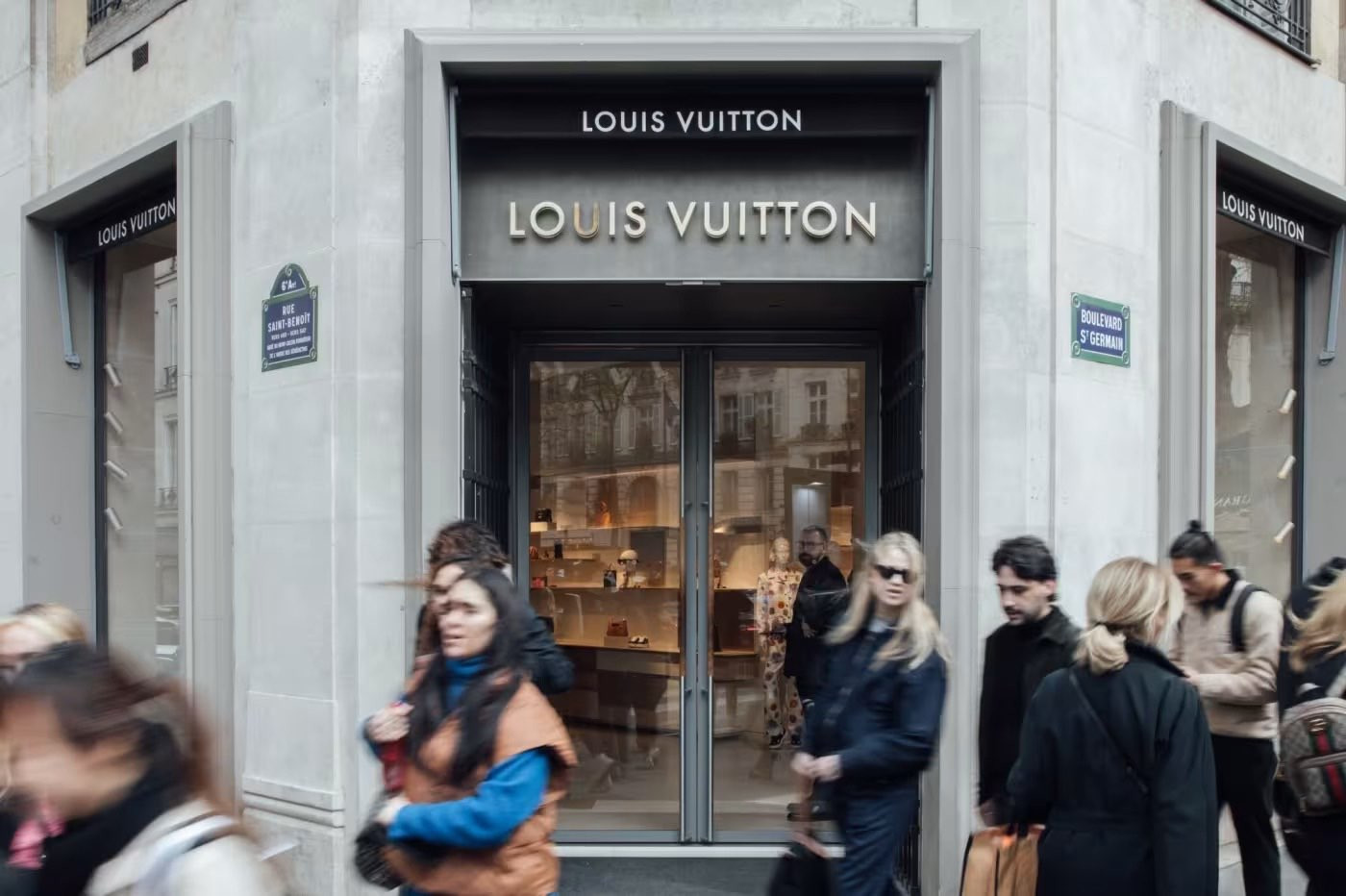
On Tuesday, LVMH, known for its brands such as Moet & Chandon, Louis Vuitton, and Tiffany & Co., reported its first quarterly sales decline since the pandemic. This was driven by weakening demand in China and Japan.
The company highlighted that Chinese consumer confidence had dropped to levels seen during the COVID-19 era, noting a "significant deterioration" in its fashion and leather goods division, which includes Louis Vuitton and Dior. Sales in mainland China for this division fell by a mid-single-digit percentage.
JP Morgan commented that LVMH’s third-quarter update failed to provide reassurance, suggesting that the business trends were weaker than feared. The investment bank maintained its "neutral" rating on the stock.
The weakness in Chinese demand is expected to affect the entire luxury sector, with no company likely to be immune, JP Morgan added.
China remains a critical market for luxury brands, and while recent economic stimulus measures sparked hope for a rebound, shifting expectations have left luxury stocks volatile.
In recent weeks, analysts have been revising down their forecasts for the sector, with low expectations for the third quarter. UBS predicted it would be the sector’s worst performance in four years, with a 1% year-on-year decline in organic sales.
From my perspective, the recent slump in LVMH’s shares and the overall luxury sector highlights growing vulnerabilities in the global luxury market, particularly with regard to China. Despite early optimism surrounding the country’s economic stimulus measures, it’s clear that consumer confidence remains fragile, and this has significant implications for luxury brands. The mid-single-digit decline in LVMH’s fashion and leather goods sales in mainland China is particularly concerning, as it suggests that even iconic brands like Louis Vuitton and Dior are not immune to the current economic challenges.
I believe the broader luxury market will likely continue to face turbulence, especially as China’s recovery proves slower than anticipated. While some had hoped that stimulus measures would quickly reignite demand, the reality appears more complex. Consumer spending patterns have shifted, and the post-pandemic boom in luxury spending seems to be waning. For now, I expect further volatility across the sector, with cautious sentiment likely to persist until there’s clearer evidence of sustained recovery, particularly in key markets like China.