
iPhone 16 Sales Up 20%: A Strong Comeback or Temporary Boost?

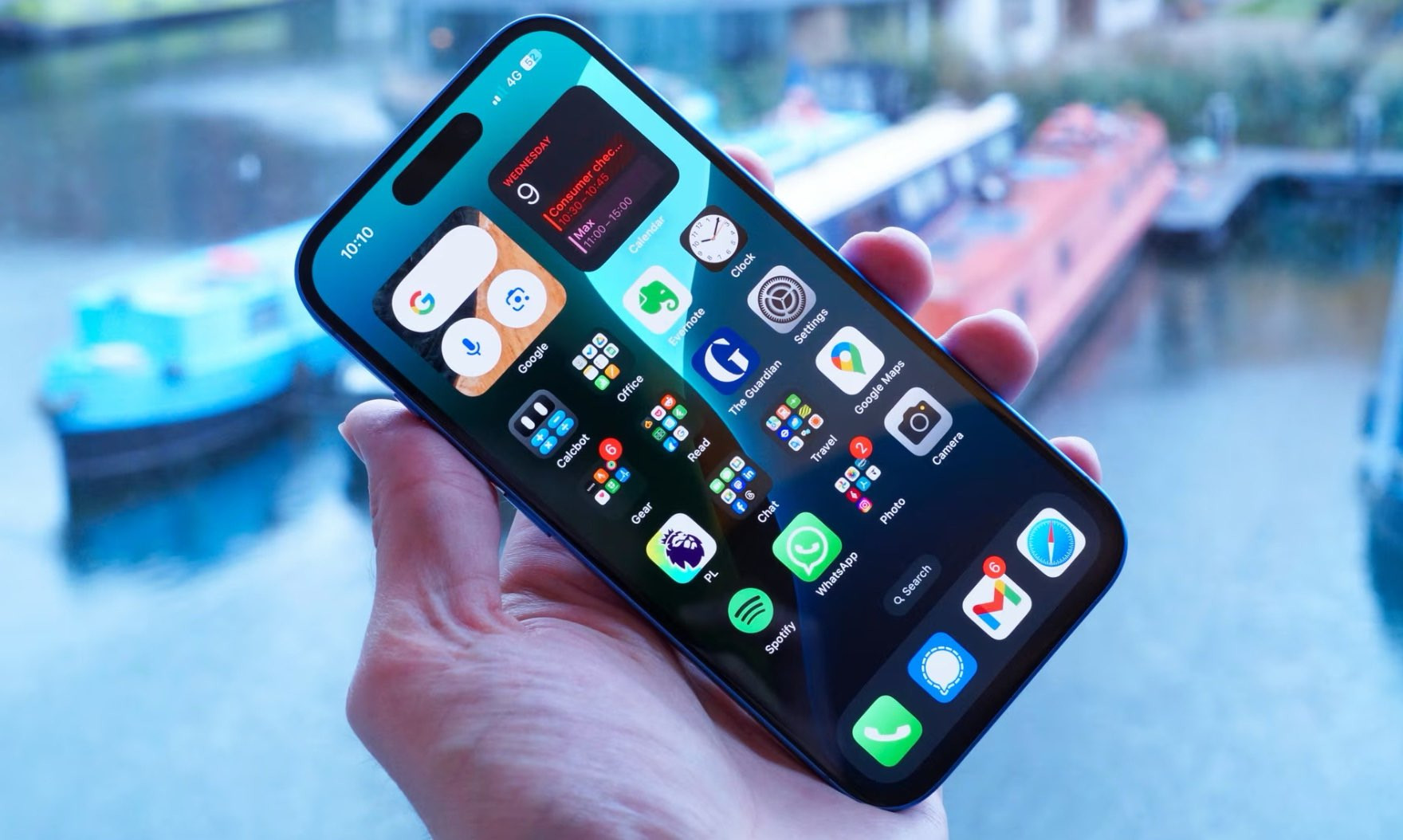
Hi, everyone! So, Apple seems to be bouncing back in China with the iPhone 16. Recent reports indicate that Apple's iPhone 16 has enjoyed a strong start in China, with a 20% increase in sales during its first three weeks compared to the iPhone 15. Notably, the Pro and Pro Max models saw an impressive 44% growth. Analysts attribute this success to improved production and pricing strategies, especially after last year's model faced some production issues.
This initial boost is certainly a positive sign for Apple, reflecting the brand's ability to recover from past hurdles. However, the real challenge lies in sustaining this momentum amid fierce competition from local brands like Huawei and Xiaomi. Overall iPhone sales in China are down 2% due to declining demand for older models, making it clear that Apple can't take its foot off the gas just yet.
In a surprising twist, just one month after launch, Apple has slashed prices across the entire iPhone 16 lineup, with discounts reaching up to ¥1600 (approximately $220) during the Double 11 shopping festival. Many consumers have expressed that the iPhone 16 series doesn't offer significant upgrades over its predecessor, which has led to this swift price adjustment to attract buyers.
These quick price cuts signal that Apple is feeling the pressure from competitors who are rapidly catching up in terms of features and performance. This move reflects a strategic pivot to regain market share, but it also raises questions about the perceived value of their latest models. If consumers feel the new iPhones lack innovation, it might hinder Apple's ability to maintain customer loyalty in the long term.
Furthermore, internal reports suggest that Apple's AI capabilities are lagging behind competitors by about two years. According to sources, ChatGPT outperforms Siri by around 25% in accuracy and can answer more questions, which puts Apple at a disadvantage in the growing AI landscape.
This AI gap could be a crucial factor affecting Apple's market position, especially as consumers increasingly seek smart features in their devices. With the planned rollout of Apple Intelligence slated for 2025, Apple must act quickly to catch up. If they can leverage this technology effectively, it could rejuvenate interest in their products, but time is definitely of the essence.
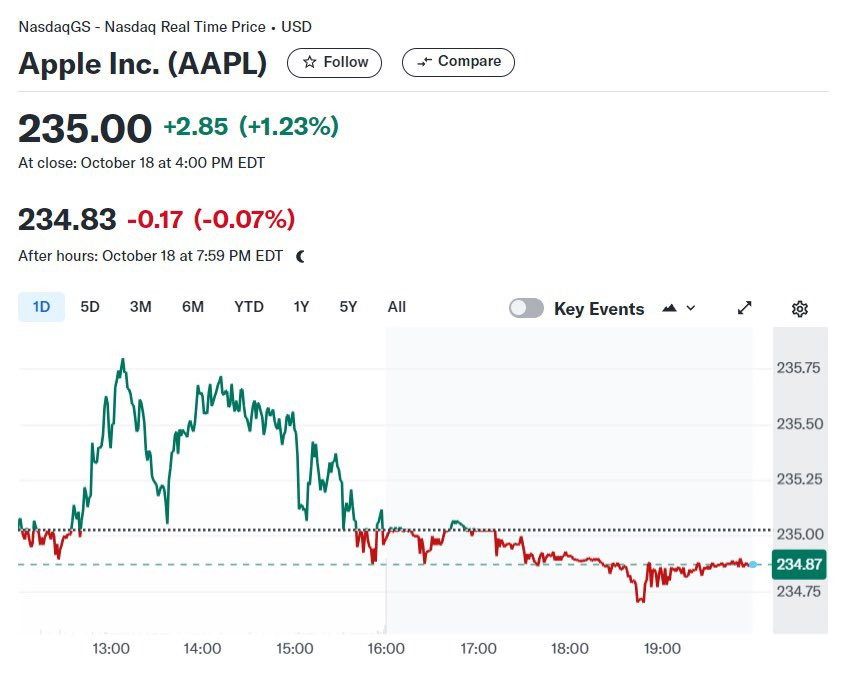
On the financial side, since hitting a peak of $237.49, Apple's stock has been hovering around $235 recently. This slight dip might reflect investor concerns about how well Apple can maintain its market share and innovate in such a competitive landscape.
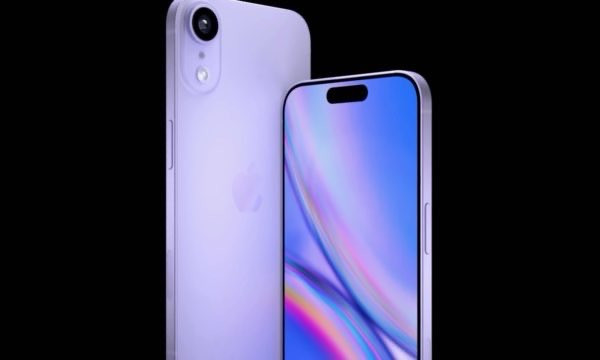
Now, shifting gears, news has surfaced about the upcoming iPhone 17, rumored to be a major design overhaul with a "Slim" version potentially dubbed the "Air." Analysts suggest this model could be the thinnest iPhone ever, sporting an all-metal body and a sleek 6.6-inch display. It's interesting to see Apple experimenting with a middle-tier offering while also hinting it could become one of the most expensive iPhones yet, potentially exceeding $1200.
This pivot could indicate Apple's strategy to cater to various segments of the market, especially if they can deliver a compelling blend of features and design. However, the question remains—will this approach help them regain footing against the competitive tide in China and elsewhere?
In summary, while Apple's early sales figures for the iPhone 16 are promising, they must navigate a complex landscape of competition, pricing pressures, and technological gaps. The coming months will be pivotal in determining whether they can solidify their foothold in China's dynamic smartphone market. What do you think? #apple #iphone16