
Fed Beige Book: Sluggish Economic Growth in Most Districts, "Slight or Moderate" Increases in Jobs and Inflation

On Wednesday, the Federal Reserve released its latest Beige Book, indicating that economic activity in most U.S. districts has remained largely unchanged since early September.
The report shows that in more than half of the Fed's 12 districts, job growth has been "slight or moderate," while most districts report "slight or moderate" increases in prices. Many districts also noted a slowdown in wage growth.
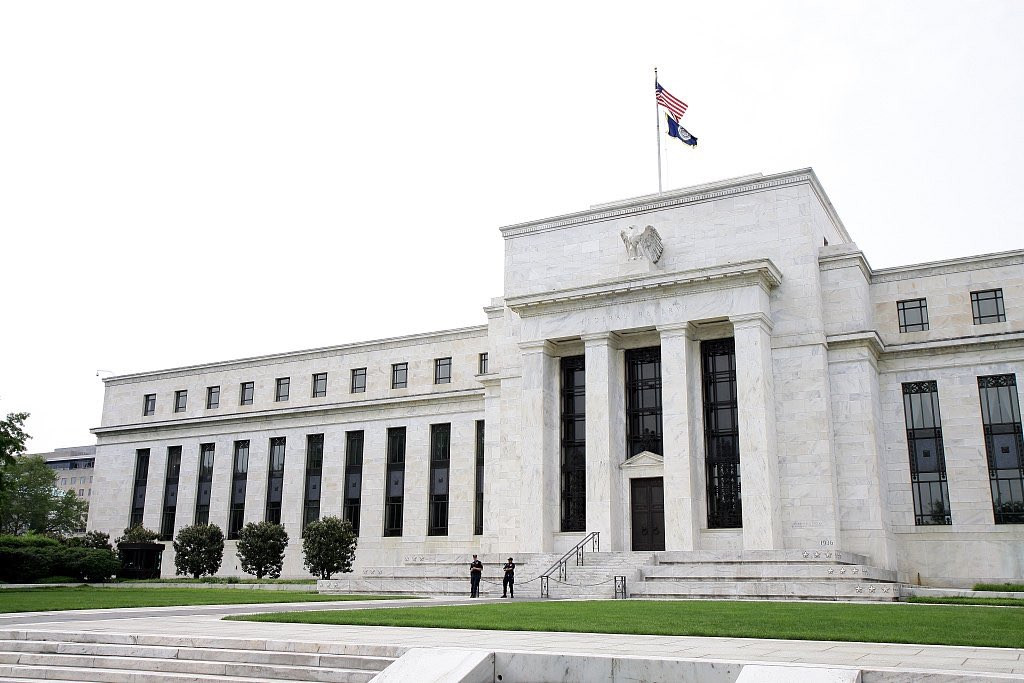
The report stated: "Overall, since early September, economic activity has seen little change in nearly all districts, with two reporting modest growth. Reports on consumer spending were mixed, with some districts observing shifts in spending towards cheaper alternatives."
Despite official statistics showing unexpected increases in September’s employment, consumer prices, and retail sales, the U.S. economy continues to slow down. While the latest data indicates some improvement, Fed officials have cited anecdotal reports from contacts as reasons for considering further rate cuts.
Bloomberg economist Eliza Winger commented in a post-release report: "The Fed’s latest Beige Book once again paints a weaker picture of the U.S. economy than the hard data suggests. We believe this fresh assessment of slowing growth may ease market concerns that the Fed might need to pause rate cuts."
The report notes that in the Atlanta Fed district, which includes areas hardest hit by Hurricane Helen, the storm led to a decline in tourism and caused "significant damage and losses" to farmers in southern Georgia and parts of Florida.
The Beige Book also mentioned the upcoming November presidential election as a source of uncertainty roughly 15 times, indicating it has been a factor in delaying investment, hiring, and procurement decisions by consumers and businesses.
The New York Fed compiled this latest Beige Book using information collected through October 11. The report includes anecdotes and commentary from businesses and other contacts across the Fed’s 12 districts.
Key Points from Each District:
Boston: "Retail and hospitality hiring in Cape Cod received a boost this summer due to the return of short-term visas for foreign workers and increased supply of domestic seasonal workers."
New York: "Sales in the restaurant sector have declined as visitor numbers dropped. However, Broadway show attendance has improved, with recent figures slightly below pre-pandemic levels."
Philadelphia: "Contacts reported tepid growth in loan demand across most industries, with the most common reasons being expectations of further interest rate cuts and the upcoming presidential election, which have delayed investment plans."
Cleveland: "Across industries, most contacts reported no recent price adjustments, with customers still resistant to additional price hikes."
Richmond: "Despite improved candidate quality and moderate wage growth, some firms still face challenges in finding specific types of workers. To attract these hard-to-find workers, firms have been raising wages more aggressively and seeking external assistance."
Chicago: "Contacts noted 'downshifting' in consumer spending across all income levels. For example, lower- and middle-income consumers are opting for cheaper value meals at fast-food restaurants instead of more expensive options, while high-income consumers are choosing more affordable furniture and appliances."
Atlanta: "Auto dealers observed larger-than-normal inventory buildups and weaker demand, with luxury car sales not slowing as much as other segments, though these buyers are increasingly negotiating for lower prices."
St. Louis: "Several hospitality contacts reported demand exceeding last year’s levels and meeting expectations in most cases. However, spending on venue concessions was lower, with visitors appearing more sensitive to higher prices relative to the events' costs."
Minneapolis: "Businesses with open positions reported significant improvement in labor supply. A contact from a Minnesota supply firm noted that they received 12 applications for high-skilled driving positions after previously struggling to fill them, remarking, 'This is unbelievable.'"
Kansas City: "Many firms reporting expanded activity attributed the growth to promotions, sales, or discounts. Meanwhile, firms reporting a decline in consumer spending highlighted shrinking demand for luxury goods or high-end services."
Dallas: "Contacts mentioned a rise in assistance requests from seniors, attributed to inflation. A nonprofit reported that senior-specific housing facilities are experiencing rising vacancy rates as seniors re-enter the workforce out of economic necessity, making them ineligible for low-cost housing."
San Francisco: "Consumers continue to seek discounts and are unwilling to pay full price for non-essential items. Some reports highlighted reduced spending in the Pacific Northwest among households affected by recent and ongoing labor disputes in the region."
The latest Beige Book reflects a generally stagnant U.S. economy since early September, with only slight or moderate growth reported across most sectors. Despite some recent gains in official employment and consumer data, the broader outlook suggests that economic momentum remains weak. This perceived slowdown has been attributed to factors such as persistent inflation, cautious consumer behavior, and the looming uncertainty of the upcoming presidential election, which has led to delayed decision-making among businesses and households. Notably, many districts observed a shift towards lower-cost alternatives, indicating a more conservative spending pattern nationwide. While labor supply has shown signs of improvement, wage growth has decelerated, highlighting a more cautious economic environment as the year progresses. This nuanced economic picture may support further rate cuts, aligning with the Fed's aim to sustain growth amid an uncertain landscape.