Asian Markets Mixed on Elections Uncertainty

Asian stock markets remained mixed on Friday, October 25, with most investors awaiting prompt trading signs. Asian investors traded within narrow ranges because they remained cautious about ongoing uncertainty around the U.S. presidential election and the future direction of interest rates.
Wall Street’s modest gains overnight failed to stimulate Asian markets, as US markets remained under pressure from weekly losses. Investors expected next week's earnings from major U.S. tech firms, developments in the U.S. election, and interest rate outlook. Most Asian markets ended the week with mixed trends.
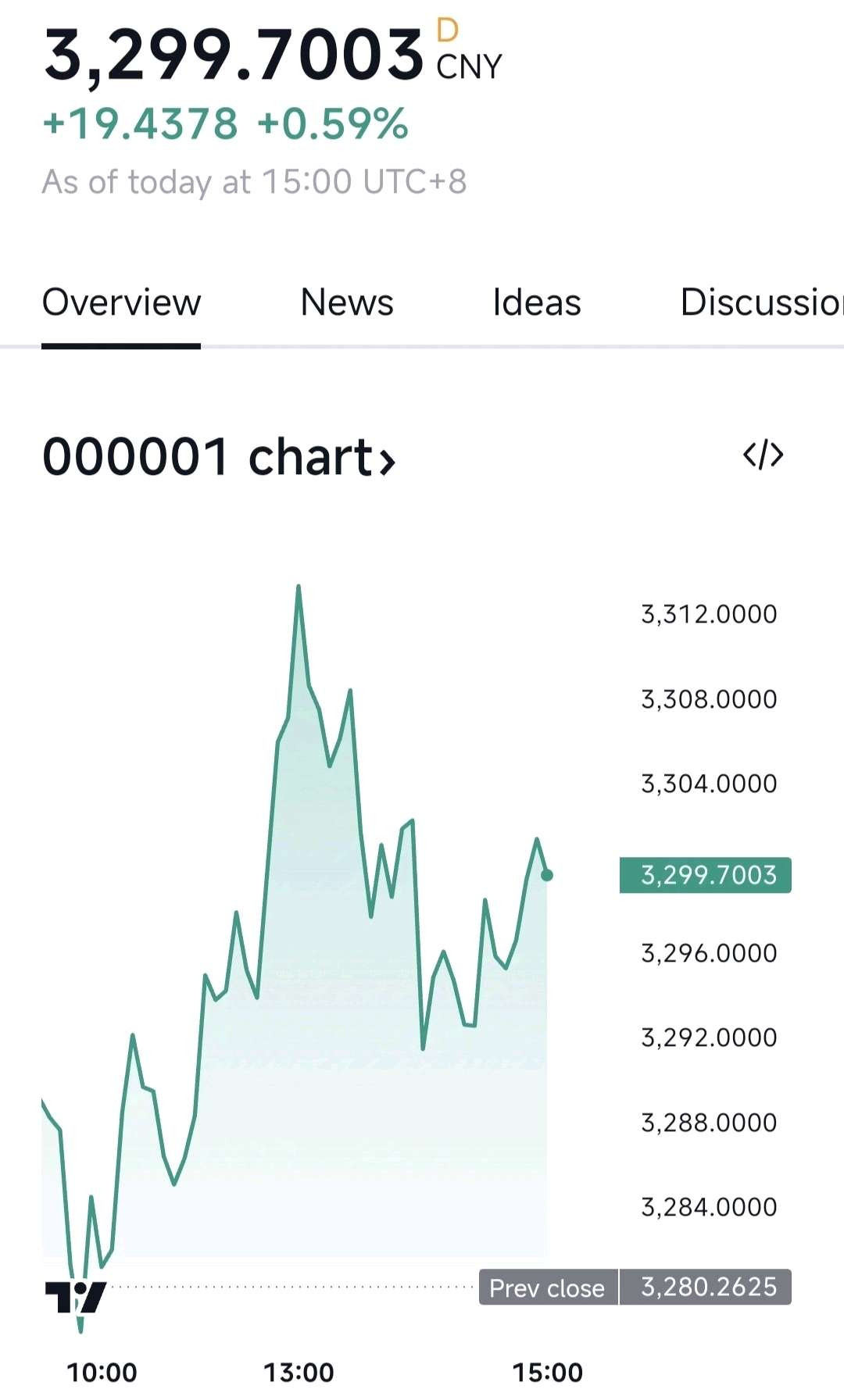
China’s Shanghai Composite and CSI 300 indexes posted modest gains after the People’s Bank of China kept its one-year policy rate unchanged. Despite the slight uptick, both indexes were still down for the week. Meanwhile, the National People’s Congress which was expected to provide further insights into fiscal stimulus plans appeared to have been postponed to November.
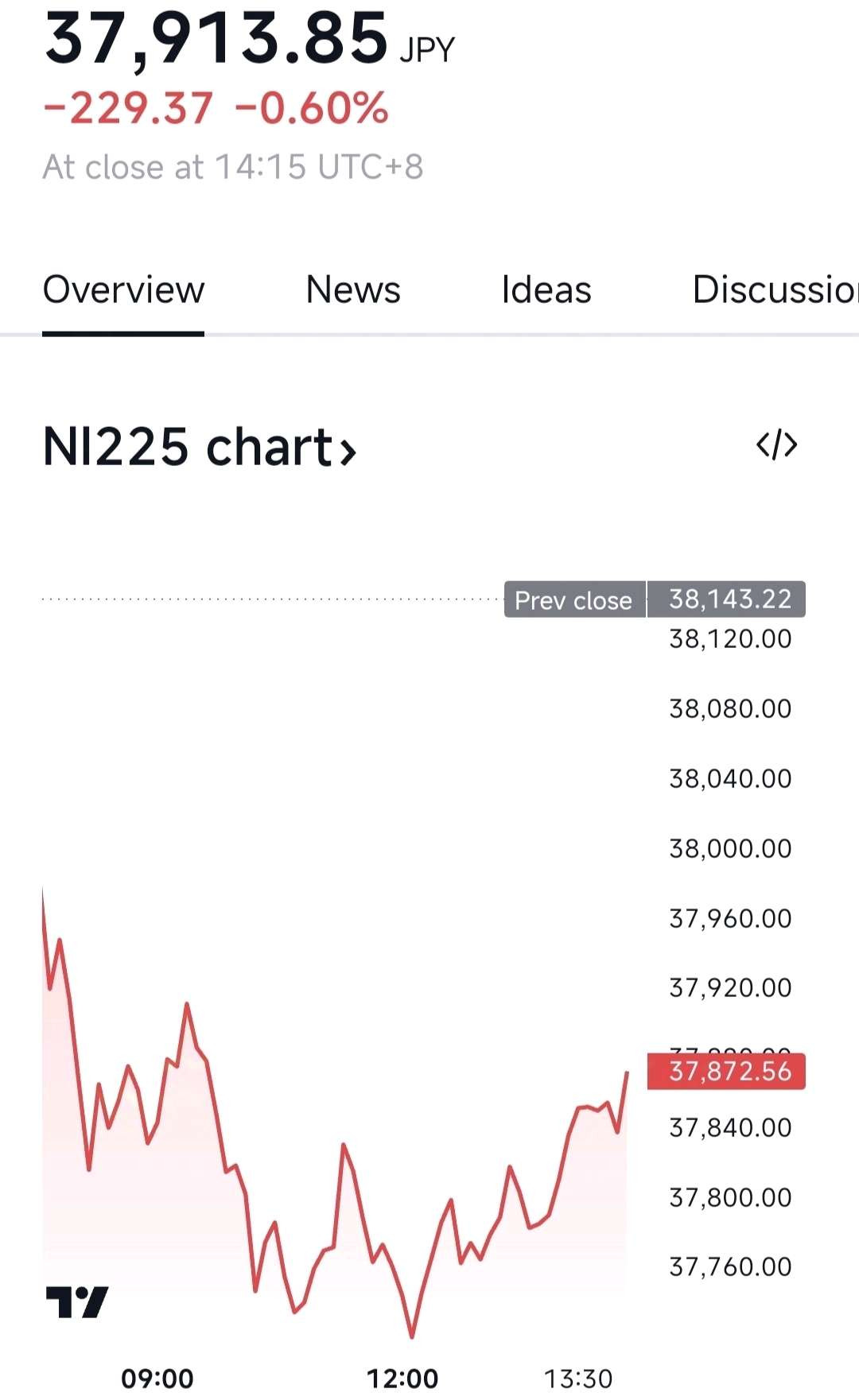
Japanese stocks fell sharply with The Nikkei 225 falling to a three-week low. The falling trend was due to uncertainties surrounding the upcoming general election and concerns about potential government intervention in currency markets, as the yen approached three-month lows. Polls suggest that Japan's ruling coalition, led by the Liberal Democratic Party, may struggle to secure a decisive win. This political uncertainty makes it harder for Japan's government to implement economic and monetary reforms, raising concerns about Japan’s economic stability.
As of today's close, the Shanghai Composite Index closed up 0.59%, the Shenzhen Component Index closed up 1.71%, and the ChiNext Index closed up 2.93%. The Nikkei 225 closed down 0.76%.