Alibaba Agreed to a Settlement for $433.5 Million
Go Wire
October 28, 2024
GoGPT Summarizes Articles
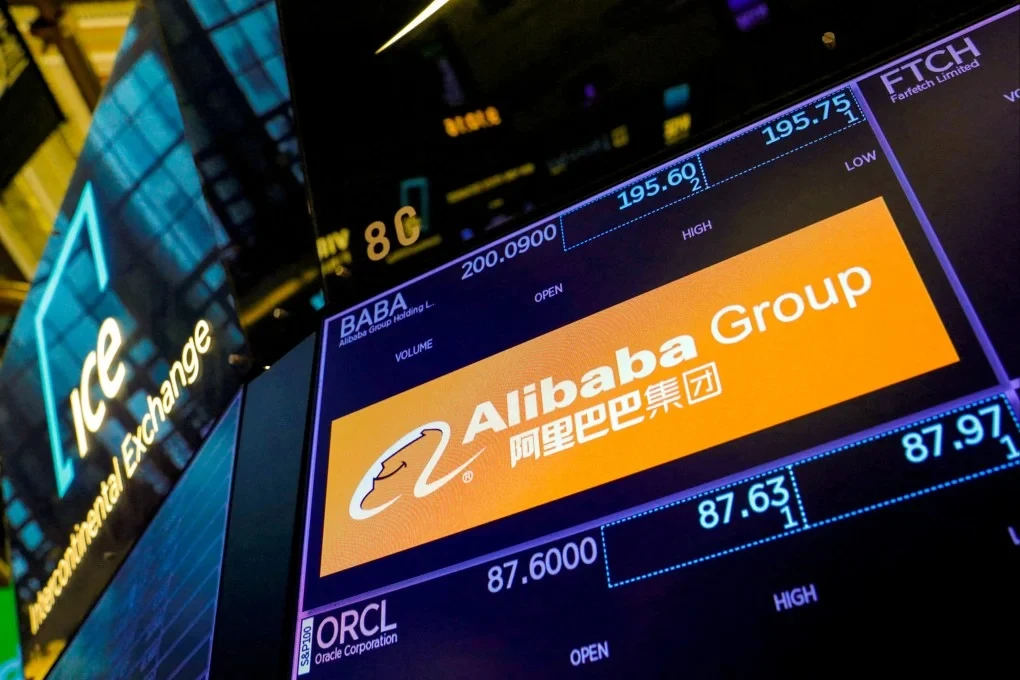
On October 25, Alibaba reached a shareholder class action settlement agreement. According to the agreement, Alibaba has agreed to pay $433.5 million (approximately RMB 3.09 billion) to resolve a class action lawsuit initiated by US investors.
However, Alibaba denied any allegations of fault, liability, misconduct, or damages, saying the settlement was reached only to avoid the cost and disruption of further litigation. Meanwhile, Alibaba said in its announcement that the settlement depended on many conditions including court approval and did not constitute an admission or find that there was any legal basis for the claims made in the lawsuit.
Settlement documents show that this has been the twenty-first largest securities class action settlement in the region since the PSLRA (Private Securities Litigation Reform Act) was enacted nearly three decades ago and one of the fifty largest securities class action settlements in the United States. Lawyers said Chinese investors were equally likely to receive the settlement.
This was a securities class action lawsuit filed by investors alleging that Alibaba misrepresented its monopolistic “exclusionary practices” and Ant Group's initial public offering. The plaintiffs argued that Alibaba's stock price was artificially exaggerated as a result of Alibaba's false and misleading statements.
During the determination process, the court rejected the plaintiffs' doubt about Alibaba's statements regarding Ant Group's IPO. The allegations of Alibaba's monopolistic practices and misrepresentations became key to the discussion. The settlement documents referred to the antitrust claim involving complex economic and regulatory issues in the e-commerce market and China's antitrust law as a significant challenge.
Public information shows that in December 2020, Xinhua News Agency reported that the General Administration of Market Supervision lawfully filed a case to investigate Alibaba Group Holding Ltd. for suspected monopolistic practices such as “choosing either of the two” based on a report. In April 2021, the GAMS announced that it had imposed administrative penalties on Alibaba Group Holding Ltd. for monopolizing the market for online retail platform services in China by imposing a fine of RMB 18.228 billion. It also required Alibaba to submit a self-inspection and compliance report to the GAMS for three consecutive years. In August 2024, the ACMS issued a letter stating that the three-year rectification process of the Alibaba Group had been completed.
You Yunting, senior partner of Shanghai Debund Law Firm, analyzed that, from Alibaba's perspective, Alibaba would have a greater risk of compensation if the litigation process was carried out considering that Alibaba had previously indicated that it did not constitute an antitrust legislation but was ultimately penalized by the GAMS. From the plaintiff's perspective, the process of claiming damages was very lengthy. A large amount of evidence needed to be obtained in China. So, there was also a risk that the plaintiff's claim would fail. The settlement documents also mentioned that even if the plaintiffs established liability, they faced the risk of proving causation of their significant losses.
Ultimately, the settlement's $433.5 million represents 3.73% of the maximum possible compensation of $11.229 billion in this case. This percentage is more than double the 1.8% average of estimated settlements in securities class actions in 2021, 2022, and 2023. Also, it far exceeds the average of 0.4% of the maximum compensation for securities class action settlements in the last decade when investor losses exceeded $10 billion.
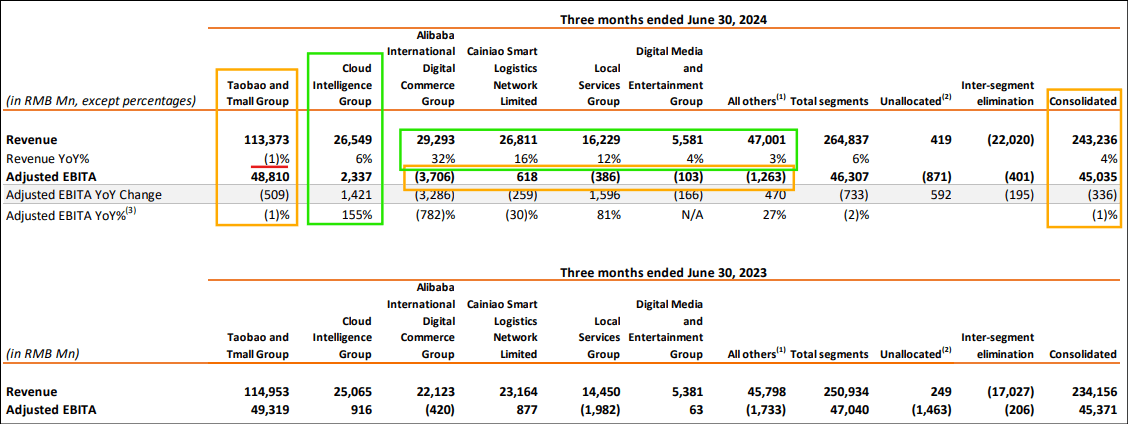
It is worth noting that the reporter found that in August this year, Alibaba's quarterly earnings report ending June 30 already showed a provision for shareholder class action lawsuits in the amount of 3.145 billion yuan (433 million U.S. dollars).
Chinese investors buying US-listed Alibaba's shares are also expected to acquire the portion of the money settlement, if eligible. The settlement document shows that the “Settlement Class” of the class action lawsuit referred to all individuals and entities who purchased or otherwise acquired Alibaba American Depositary Shares during the period from November 13, 2019, to December 23, 2020.
However, the Settlement Class, excludes individuals and entities that did not have compensable losses, Defendants including current and former officers and directors of Alibaba during all relevant periods, their immediate family members, their legal representatives, heirs, successors, or assigns, any individuals excluded by Defendants or under this subsection, and any person or entity that has or had at any time a controlling interest in Alibaba's stock. It also excluded any trust in an Individual Defendant for the benefit of an Individual Defendant and its immediate family members, Alibaba's current and former parent companies, subsidiary companies, assigns, successors, and predecessors, the defendant's indemnification and liability insurers, and any person or entity that petitions the Court to exclude oneself.
You Yunting said, according to the general experience, the law firm acting on behalf of this lawsuit would publicly announce the settlement on its website after the settlement process or the reception of Alibaba's money settlement. Through the appropriate website portal, investors fill out forms and submit certificates. The audit will compensate them for the corresponding losses once their forms are passed. During this period, investors can pay attention to the relevant email notifications from securities institutions or log on to the relevant law firms on their own.
However, You Yunting mentioned that he once had received an email from Amazon, saying that his purchases could be claimed due to false advertising statements. He submitted screenshots and order numbers to a link to a law firm included in the email and passed the audit. After most of the year, he received a personal check from the US but the check had already expired by the time it arrived in the mail. Despite obtaining a second check in the mail after communicating with Amazon, the check also expired when it arrived the second time. This means that eligible domestic investors who want to receive compensation may also face additional difficulties.
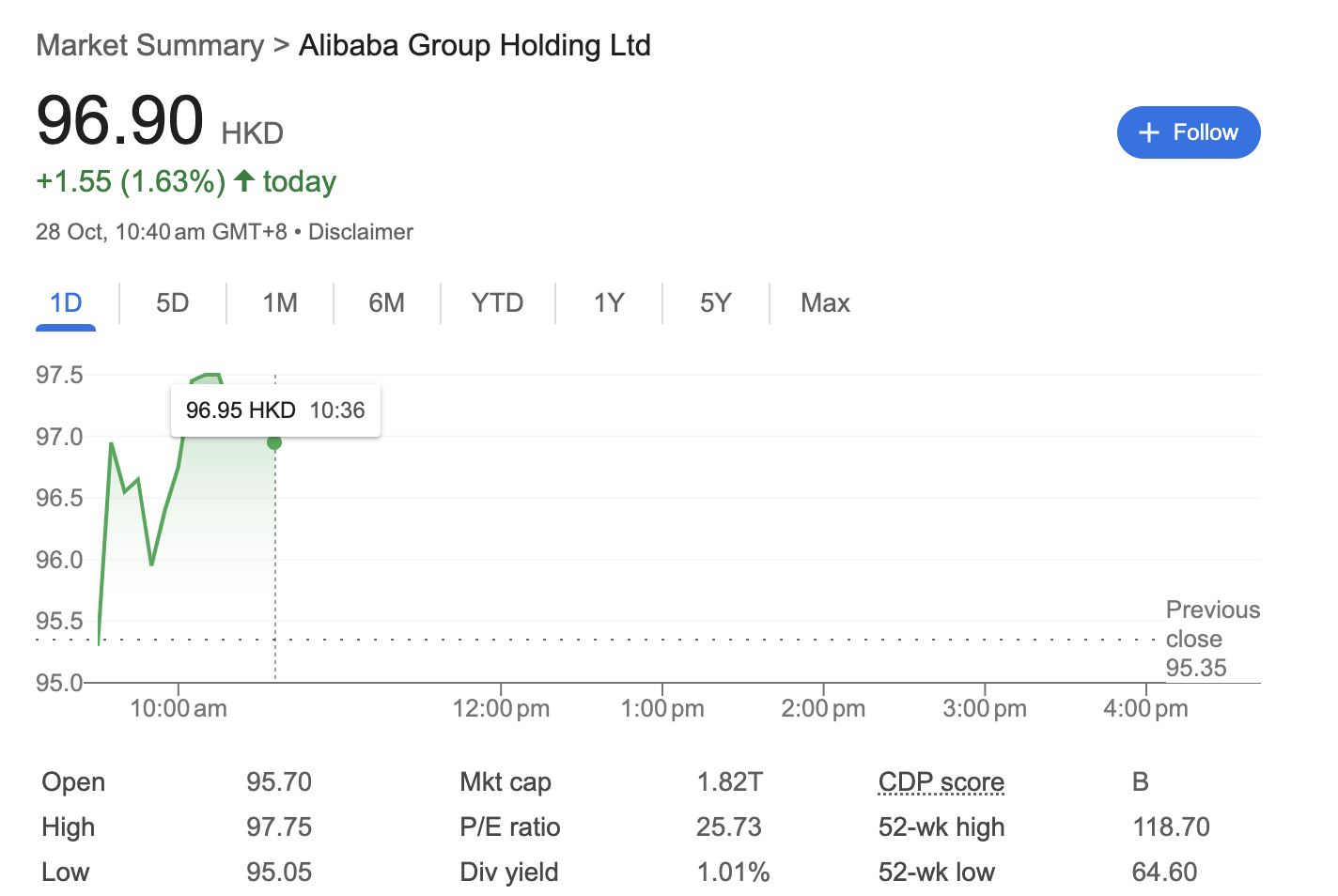
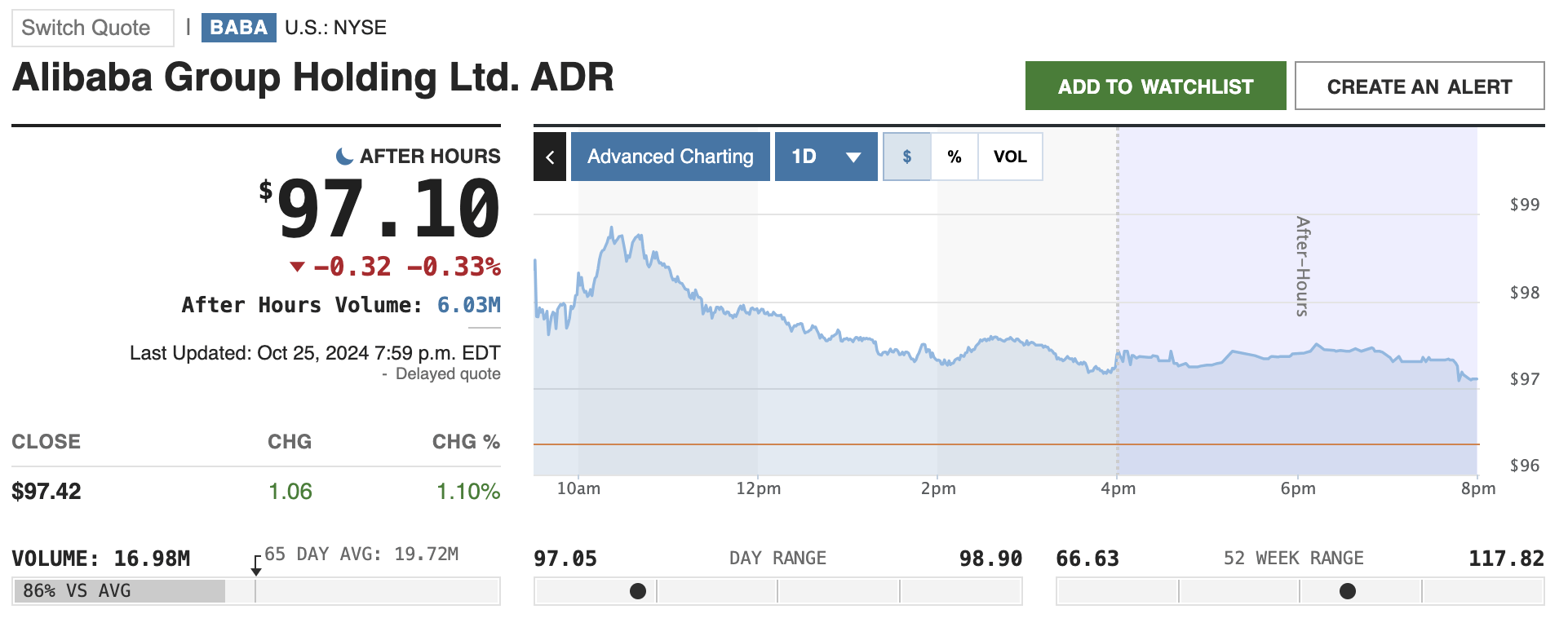 At last Friday's US market close, Alibaba saw a 1.1% increase. In today's morning trading session in the Hong Kong market, Alibaba is up 1.68%.