
JUSTIN: Japanese Market Plunges Over 800 Points as Bank of Japan Takes Hawkish Stance

Go Wire
November 1, 2024
GoGPT Summarizes Articles
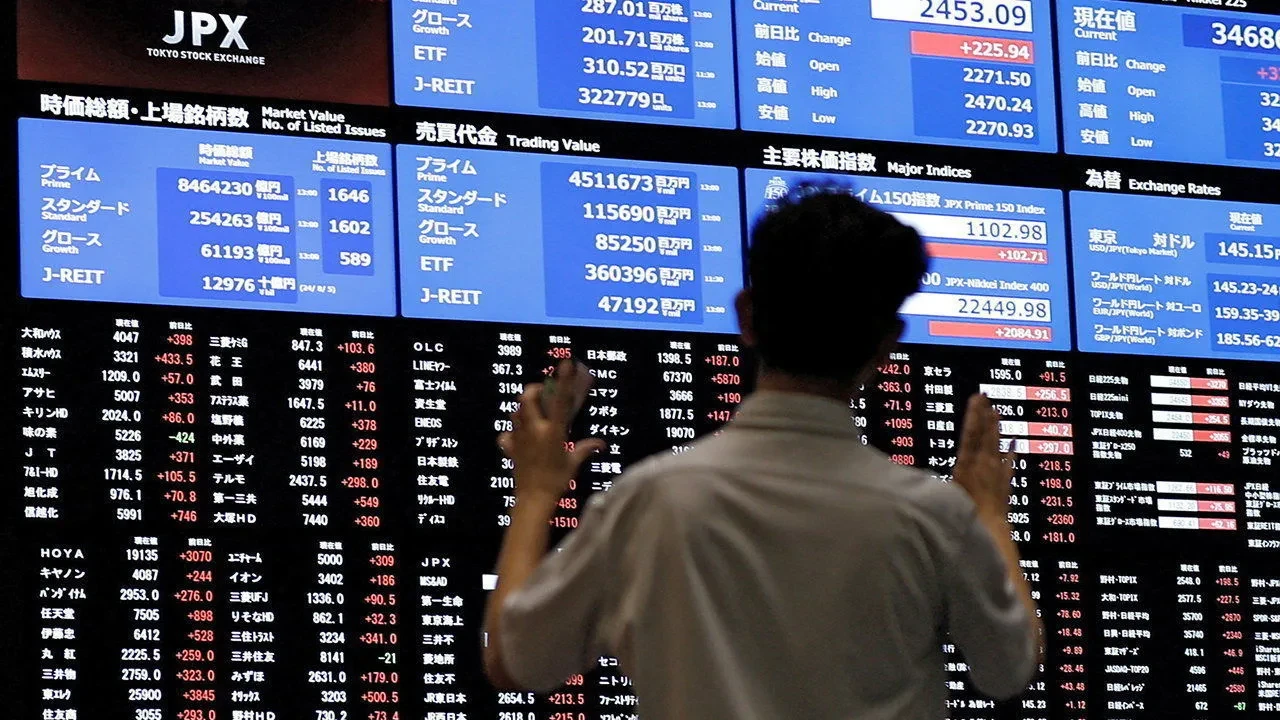
In a volatile morning session, both Japanese and South Korean markets opened with significant losses. The Nikkei 225 index plummeted by over 800 points, with a peak decline of 2.16%, while South Korea's KOSPI index opened down by 0.5%. This downturn follows a night of widespread declines in the U.S. stock market, with the Nasdaq dropping by 2.76% and the S&P 500 by 1.86%, marking their largest single-day declines since September 4th.
Analysts attribute the market turmoil to bleak prospects for major U.S. tech stocks, dampening investor sentiment. As the U.S. election day draws near, shifting political dynamics have heightened market jitters, with signs of a retreat in the so-called "Trump trade."
Internally, Japan's market crash can be attributed to Bank of Japan Governor Haruhiko Kuroda's hawkish stance. In its latest interest rate decision on October 31st, the Bank of Japan opted to maintain the status quo. During the policy press conference later that day, Kuroda indicated that if economic and inflation forecasts materialize, the Bank of Japan will proceed with rate hikes.
In the midst of this market turmoil, SoftBank Group shares saw a significant intraday drop of nearly 5%, marking their largest decline since October 16th. Nikon shares in Japan also tumbled by 6.1%, their biggest drop in 12 weeks.
Kuroda's recent statements have sent a clear hawkish signal to the market. He highlighted that since August, the Bank of Japan has been using the phrase "some time to consider" as market volatility prevailed, but stability has since returned.
Regarding inflation, Kuroda noted that October's Tokyo CPI data indicated that businesses have started passing on cost increases to consumers by raising service prices.
Kuroda emphasized that despite modest increases in service sector inflation, the overall process of exiting accommodative policies will proceed smoothly. With wage growth at 3%, there are clearer prospects for rate hikes.
Amid the uncertainties posed by the upcoming U.S. and Japanese elections, Kuroda emphasized that the current political landscape is unlikely to significantly impact prices. Maintaining a steadfast policy stance is crucial regardless of political shifts.
Chief Economist Toru Suehiro from Daiwa Securities commented that overall, the Bank of Japan will continue its normalization path. While domestic political uncertainties are on the rise, they are unlikely to impede the Bank of Japan's rate hike momentum.
Meanwhile, in South Korea, the latest export data has disappointed markets. Recent figures reveal that in October, exports grew by 4.6% year-on-year, falling short of market estimates of 7.0%, while imports increased by 1.7%, surpassing the expected 2.2% growth.