
Endgame: Workers Accepted Boeing's New Offer, Ending the Boeing Strike

Go Wire
November 5, 2024
GoGPT Summarizes Articles
After seven weeks of strike action which disrupted jet productions, Boeing’s factory workers on the U.S. West Coast voted to accept a new contract, signaling a victory for labor and a timely stop to Boeing's financial losses. The International Association of Machinists and Aerospace Workers (IAM) approved the contract with 59% of union members voting in favor. The contract promises a 38% wage increase over four years and other financial incentives, including a 4% annual bonus, which workers estimate matches their initial demand for a 40% pay increase. Although workers did not return benefits that they lost in their previous pension plan, Boeing agreed to boost its 401(k) contribution match.
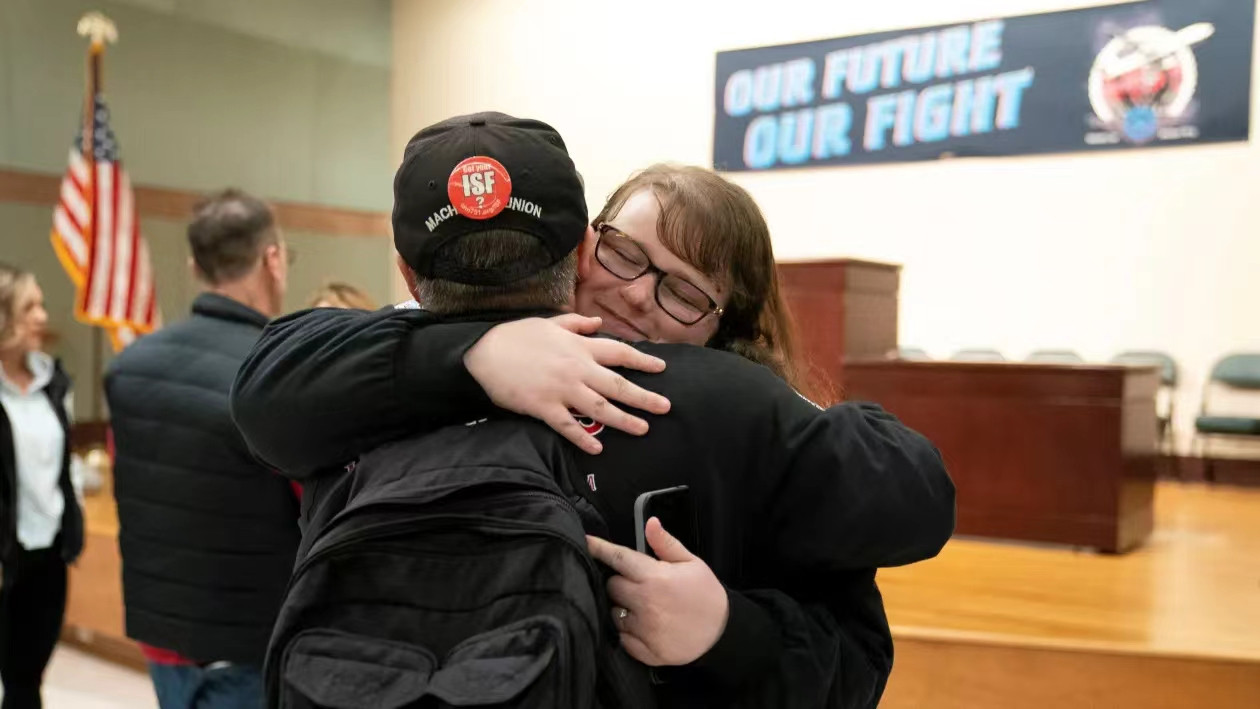
The contract also includes a promise to build Boeing’s next airplane in Seattle—an unprecedented commitment by the company. Union negotiator Jon Holden celebrated the outcome as a victory, encouraging workers to rebuild their relationship with Boeing's leadership. Boeing CEO Kelly Ortberg praised the union's approval, emphasizing that Boeing and workers were teammates who shared a goal of resuming Boeing's production and reputation.
U.S. President Joe Biden and Acting Labor Secretary Julie Su, who helped mediate negotiations, congratulated both parties on reaching a deal, with Biden highlighting the success of collective negotiations. This agreement is seen as a significant step in improving worker-company relations, though some workers remain dissatisfied with aspects of the deal.
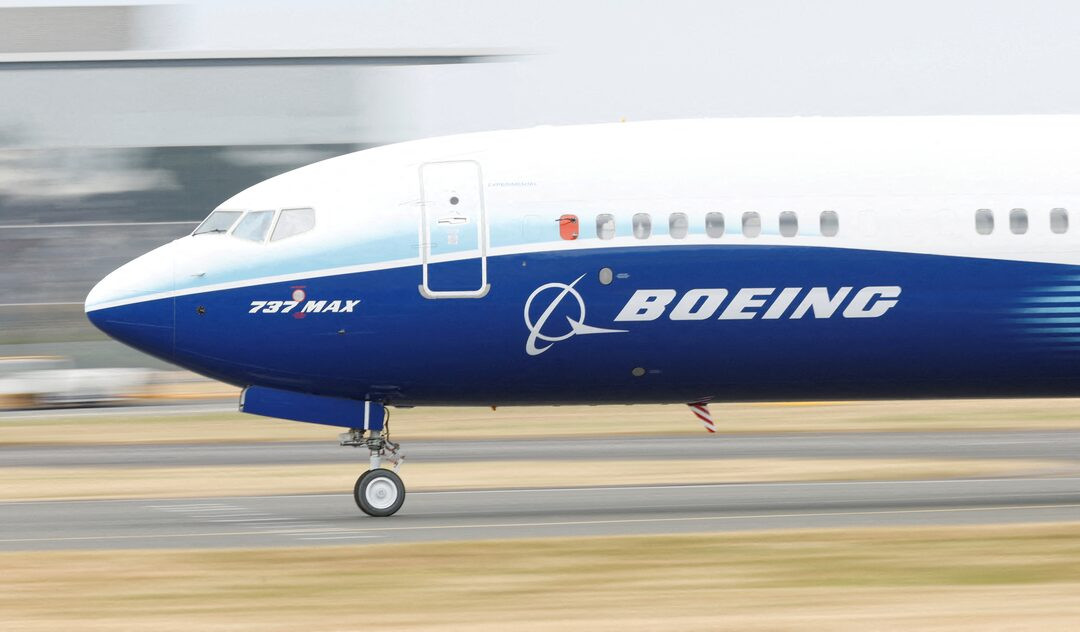
It had been analyzed that Boeing lost so much money because of the strike that it had to raise $24 billion from the market to maintain its current investment credit rating. After settling with the union, Boeing desperately needs to resume production to curb financial losses. Boeing's top priorities for the next two weeks were to accelerate airplane production and increase cash flow, according to people familiar with the matter. But Boeing expected to produce far fewer 737 MAX models in the coming period than it did before the strike. The union's response to the resumption of production was that workers would resume manufacturing on Wednesday.
Kelly Ortberg said that the immediate priority was to reconnect with Pacific Northwest machinists who struck, especially with those who opposed the settlement. Boeing noted that at the end of the new four-year contract, machinists' average annual salary would be raised from $75,608 to $119,309.
The raise could result in a $1.1 billion increase in Boeing's payroll bill over four years, and the incentive of $12,000 per union member could result in an additional $396 million outflow, according to analysts at Jefferies.
#boeing