The US Has Restricted TSMC's Supply of AI-and-GPU-related Chips to Mainland China

Sources reported that on November 10, the US Department of Commerce sent a letter to TSMC requesting it to stop providing AI chips with 7-nanometer and more advanced techniques for customers in mainland China starting on November 11. This export restriction focuses on chips used in AI accelerators and graphics processing units (GPUs). The letter from the US Department of Commerce allowed the US to bypass the relevant rulemaking process and quickly impose new licensing requirements on specific companies.
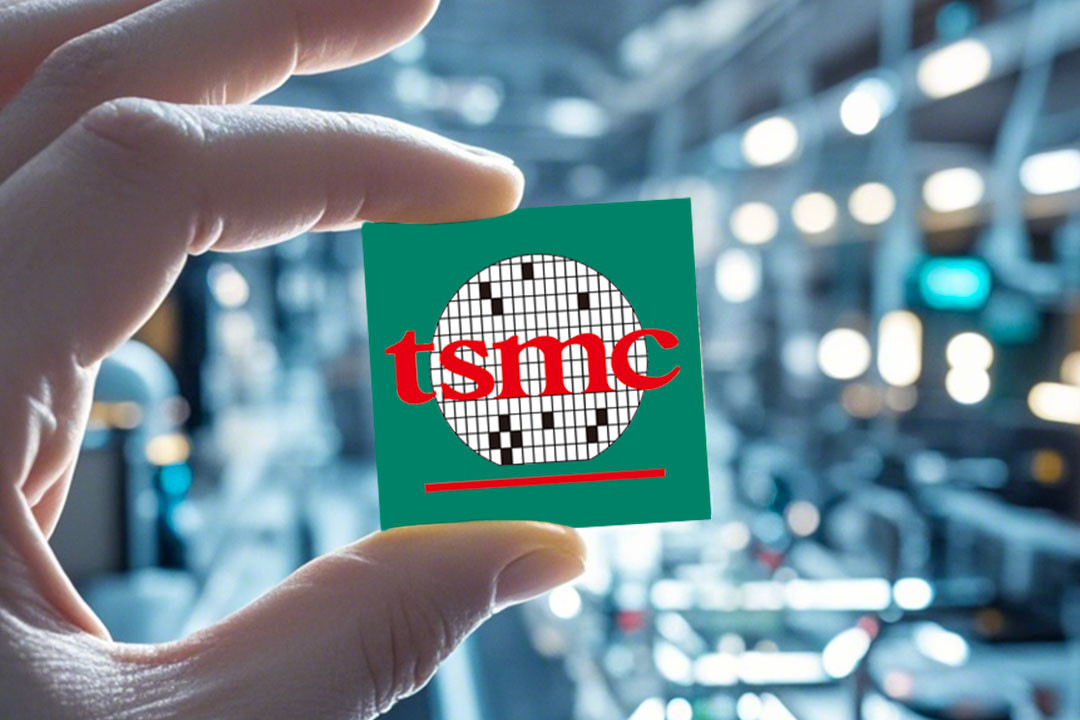
TSMC slumped in the US market on Nov 11th after this request was reported, closing down 3.55%. On the contrary, the chip industry chain sector in China market showed gains today (Nov 12th).
Regarding this matter, the Commerce Department declined to comment. Sources said TSMC notified affected customers that it would suspend shipments of relevant chips Since Nov 11th. According to the Nikkei Asian Review, the latest controls are limited to AI/GPU-related chips; chips used in cell phones, automobiles, and communications are not affected.
Causally, a few weeks ago, TSMC reportedly notified the US Department of Commerce that its products were installed in a mainland manufacturer's products, which could be a violation of US export restrictions on the manufacturer. Sources said the manufacturer was a central target of the US for the imposition of such restrictions.
According to the New York Times reports, TSMC will review its order while stopping supplies to ensure compliance with U.S. regulations. It also stated that the US imposed restrictions on TSMC in October 2023, requiring it to verify that chip orders from mainland China must not exceed specific parameters. Otherwise, it must obtain a special license from the US government to manufacture those chips. The report also said that TSMC's revenue from mainland companies has almost halved since the chip export limitation began.
Industry insiders believe that this incident once again highlights the US hegemony in the field of global science and technology. In recent years, US restrictions on chips have continued to aggravate. It prevents U.S. companies such as Nvidia from selling advanced artificial intelligence chips in China and companies in Japan and the Netherlands from selling chip-making equipment to China. The Bureau of Industry and Security (BIS) under the U.S. Department of Commerce has continued to add Chinese companies and organizations to the so-called “Entity List,” requiring relevant organizations to obtain US government licenses for the export and transfer of regulated products and technologies to these companies. Previously, Huawei and other companies have been restricted from obtaining chip equipment with specific parameters.
Wang Lingfeng, a senior analyst at Jiwei Consulting, said in an interview with the Global Times on Nov 11th that the incident reflects that TSMC still could not make independent decisions on operational decisions related to the mainland. As TSMC built factories in the US, its business activities have been more and more influenced by the US. He believed that the supply cut-off would bring certain capacity problems to mainland AI as well as GPU-related companies in the short term.
However, there are two sides to everything. Positively speaking, this event would further enhance local advanced production capacity and yield rates, forcing equipment, material, and other industrial chains to accelerate their self-improvement.