
Asian Markets Largely Dipped on Expectations of Dollar Strength

Most Asian markets saw a downward trend on Thursday, November 14, following Wall Street’s dull performance. The October rise in U.S. inflation may cause Asia's decline. The increased inflation reinforced predictions of continued dollar appreciation, prompting investors to anticipate ripple effects throughout the Asian economies.
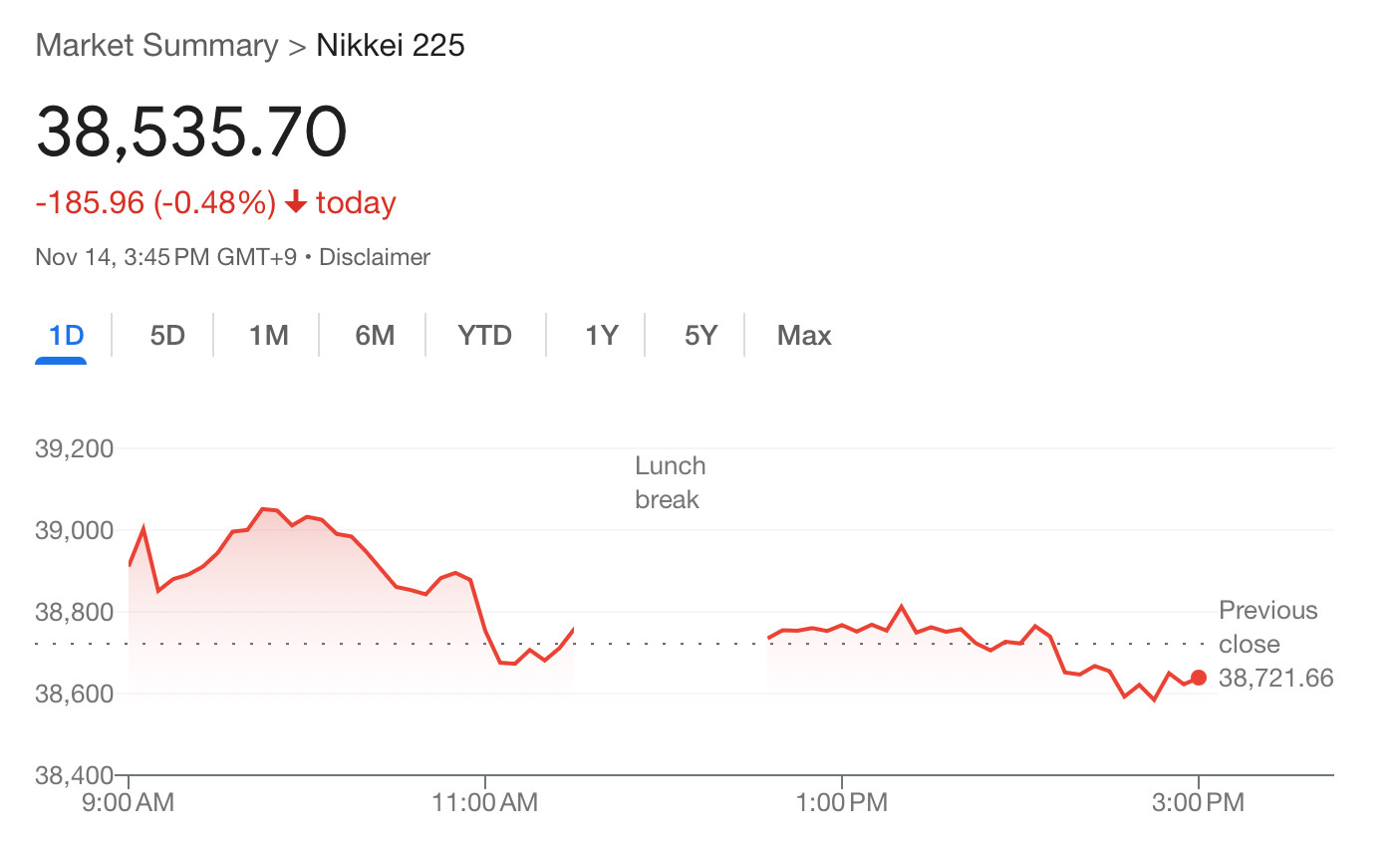
Correspondingly, the Japanese yen fell to nearly 156 per dollar, marking a rise from the previous day’s 155.49 yen. The Nikkei 225 index in Japan slipped 0.48%. Reversely, South Korea’s Kospi index climbed 0.074%. Similarly, Australia’s S&P/ASX 200 index bucked the trend, posting a 0.37% gain.
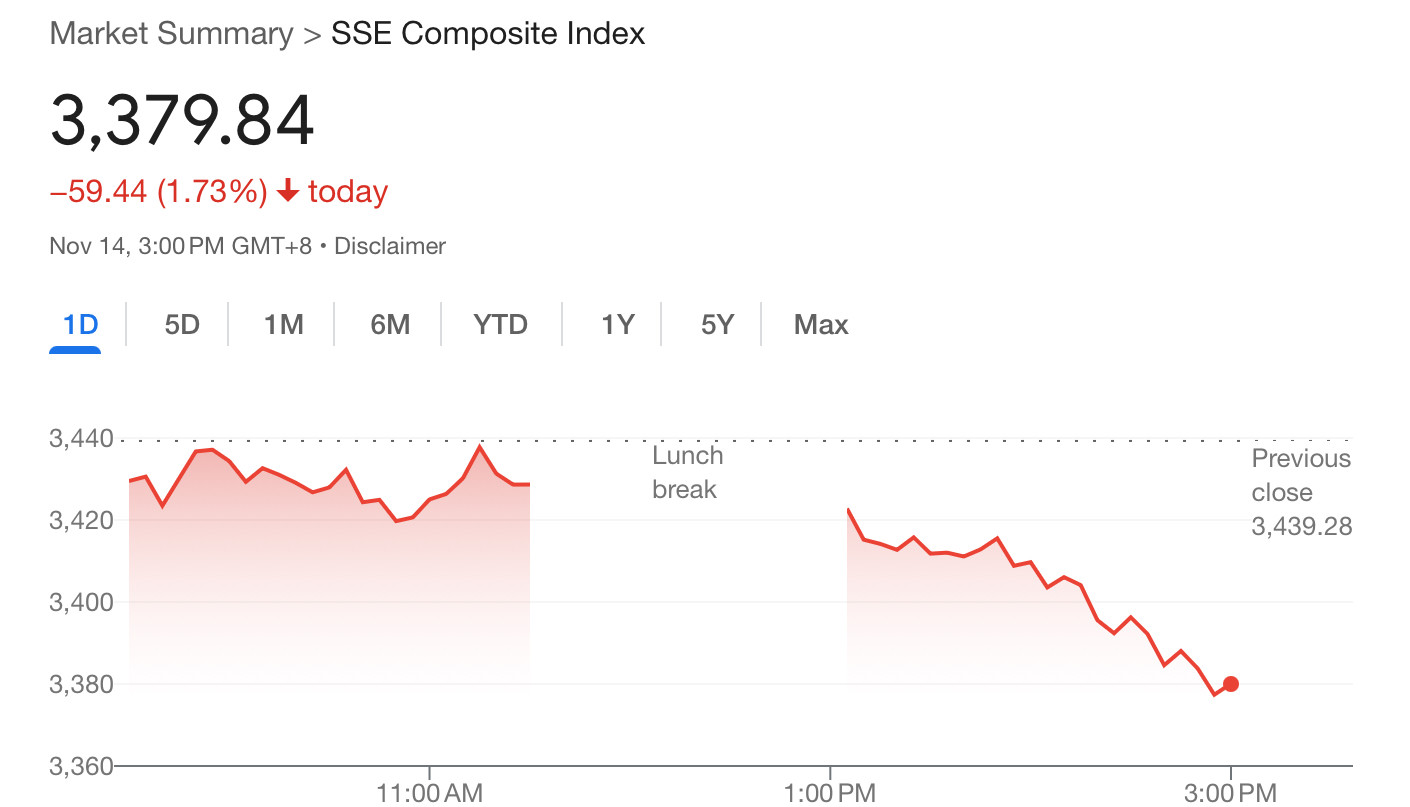
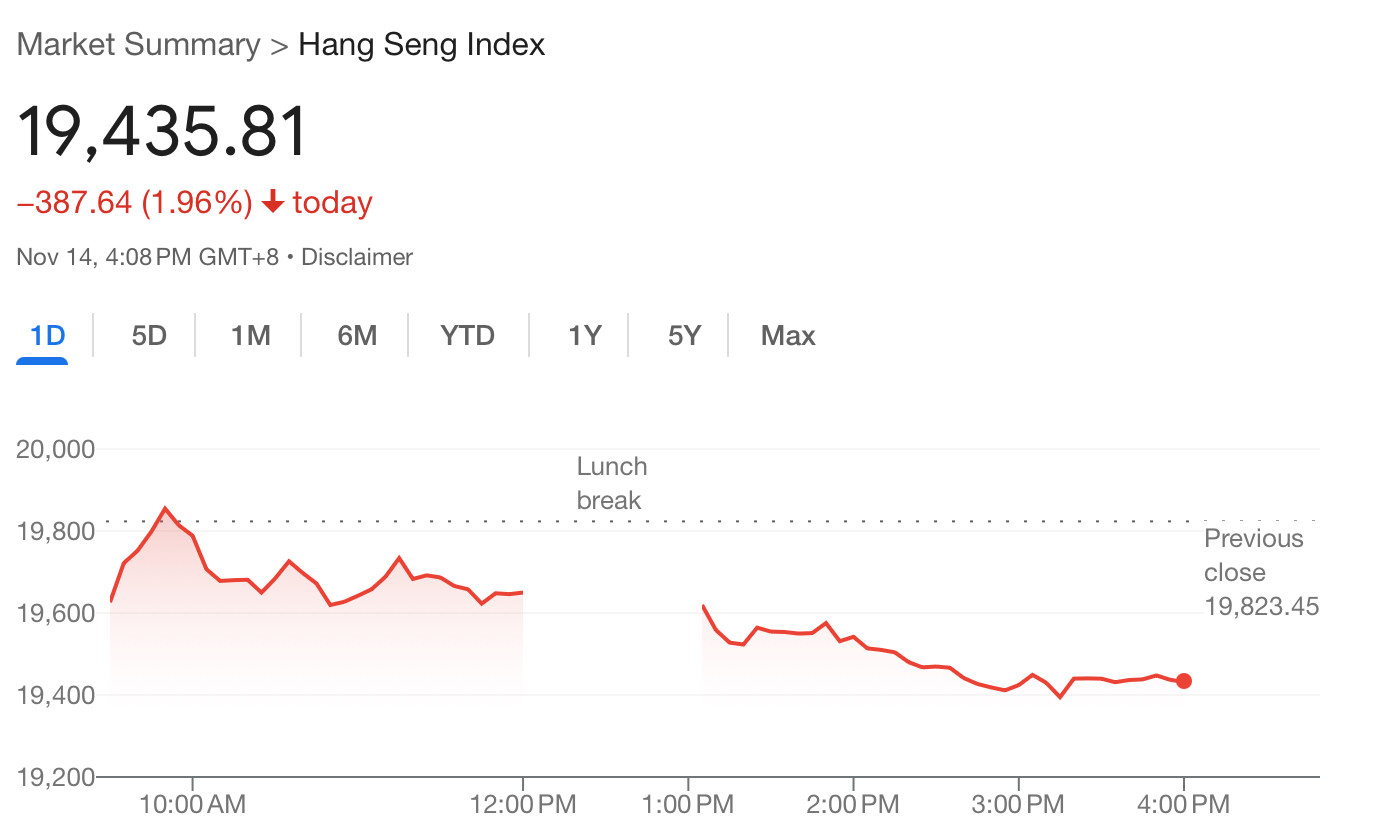
China's markets took a significant hit, with the Hang Seng index in Hong Kong dropping 1.96% and the Shanghai Composite Index down by 1.73%.
Stephen Innes, an analyst at Capital Economics, remarked that the dollar’s continued appreciation could place a burden on other economies, particularly economies heavily connected to China. Innes highlighted the particular vulnerability of economies with substantial USD-denominated debt, suggesting they may feel heightened economic pressure. He ended his remarks with a conclusion that the dollar's dominance would partially ruin the global economy.