
Trump’s Plan to Kill EV Tax Credit—Why Tesla’s Not Worried

Shearing sheep
November 15, 2024
GoGPT Summarizes Articles
Hey everyone, just got some interesting news. President-elect Donald Trump is reportedly planning to scrap the $7,500 EV tax credit, a policy that was initially pushed by Biden’s administration to help boost electric vehicle adoption. The idea was to give buyers a break on the purchase of EVs if certain conditions were met—like sourcing key battery minerals from the U.S. or its trade partners.
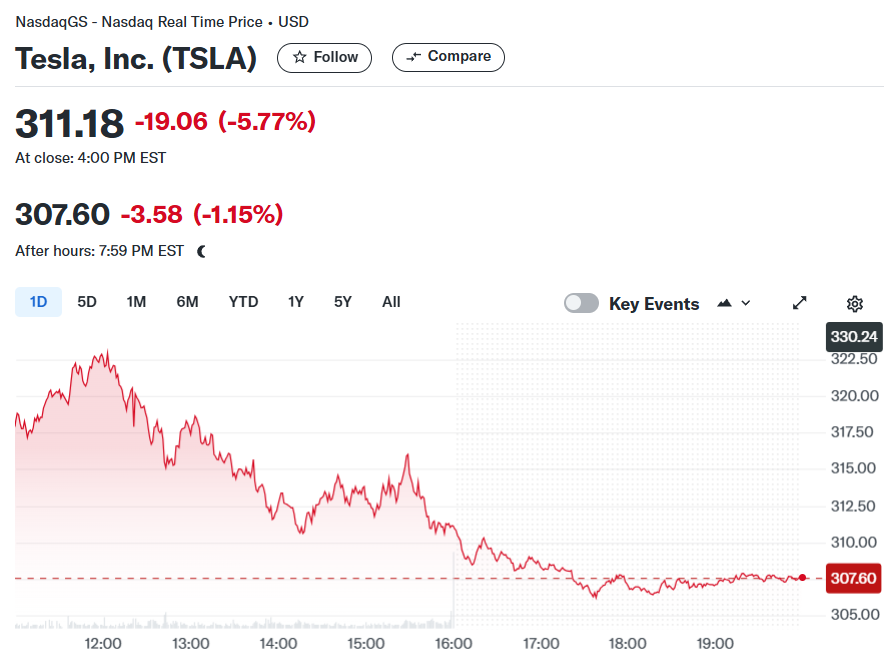
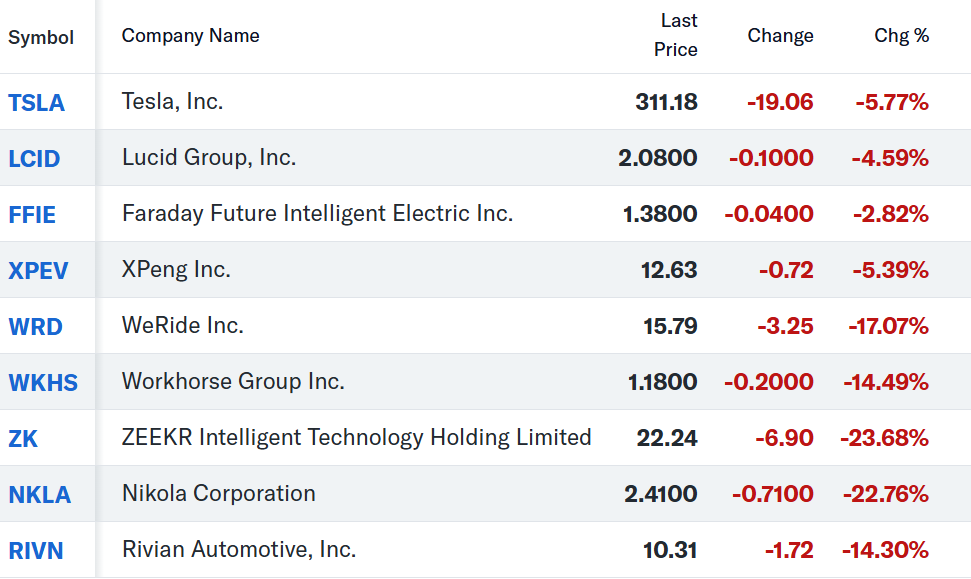
So, why is this news making waves? Well, Tesla and other EV manufacturers like Rivian and Lucid saw their stock prices drop right after the announcement. Tesla itself dropped about 6%, while Rivian tanked more than 14%. Now, you might think, “Oh, this is bad for Tesla,” but the plot twist here is that Tesla might actually be fine with the whole thing. Yep, you read that right.
Elon Musk, being a supporter of Trump, apparently told Trump’s transition team that the company actually supports ending the tax credit. Why? Because Tesla didn’t actually benefit from Biden’s EV tax credit the way its competitors did. Under Biden’s policy, companies with unionized workforces could access the full $7,500 credit, but Tesla doesn’t have a unionized workforce. So, while Tesla did qualify for some level of tax credit, it didn’t get the full benefit that companies like GM or Ford received, who have unionized plants. This setup put Tesla at a disadvantage, and Musk has never been a fan of the union requirements in the first place.
So, Tesla’s support for Trump’s plan to scrap the credit makes sense. Without the full $7,500 boost from the policy, Tesla doesn’t stand to lose much. In fact, it may even benefit from a more level playing field, where it’s not at a disadvantage compared to its unionized competitors.
But here’s the kicker: The EV tax credit was much more important for smaller players like Rivian and Lucid, who are heavily reliant on those subsidies for survival. Without the credit, they’d face serious financial pressure, potentially stalling their growth and forcing them to scale back operations.
Also, don’t forget about the Big Three—Ford, GM, and Stellantis. If the tax credit goes away, it could slow down their EV push, especially since they still have a massive stake in gas-powered cars. The concern is that they might just double down on their more profitable internal combustion engine vehicles if the financial incentive for EVs disappears.
From a policy perspective, it’s clear that Trump’s camp sees this as a way to cut costs, especially as they look at extending the previous tax cuts from 2017. Plus, they think getting rid of the EV tax credit will be easier than some of the other climate initiatives in the Inflation Reduction Act, which have already started dishing out funds and are pretty popular in certain red states.
So, what's the takeaway here? Well, it seems like Tesla is in a strong position regardless of the subsidy. It’s got the size and the brand recognition to continue its growth even if the credit disappears. Meanwhile, the smaller players and the legacy automakers are probably sweating this one. Whether Trump goes through with it or not, we’re definitely at an interesting crossroads for the future of EVs in the U.S.
This could also mean a bigger push for clean energy without the financial crutches that have helped get the EV revolution rolling. Is the market ready for a more competitive, subsidy-free EV landscape? Only time will tell.
#tesla#EVStocks