
Asia Stocks Wobble on Mixed Data

Go Wire
November 15, 2024
GoGPT Summarizes Articles
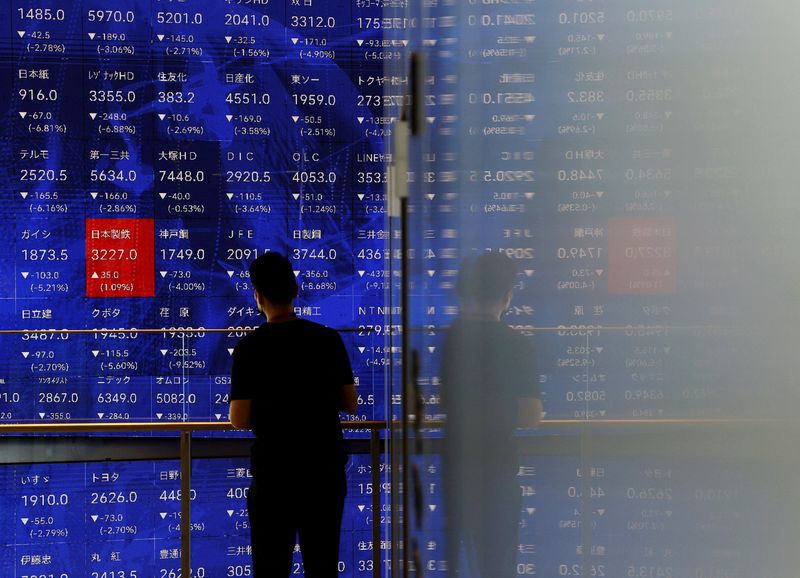
In October, foreign investors exhibited caution in Asia ex-China bond markets ahead of the U.S. presidential election. The actual victory of Donald Trump raised concerns about potential inflation due to his proposed tariffs and tax cuts, leading to reduced expectations for regional bond support.
Notably, investors sold off local bonds in Malaysia, Thailand, and India amounting to a net $3.8 billion after five consecutive months of net purchases. Analysts have taken a more pessimistic stance on foreign investment flows into Asian bonds following Trump's decisive win.
Eugene Leow, a senior rates strategist at DBS Bank, highlighted that a stronger dollar and rising Treasury yields, driven by increased bets on Trump-related trades, have pressured Asian government bonds and interest rates. Amidst cautious sentiments over U.S. interest rate cuts, most Asian stocks remained stable while absorbing mixed economic indicators from Japan and China.
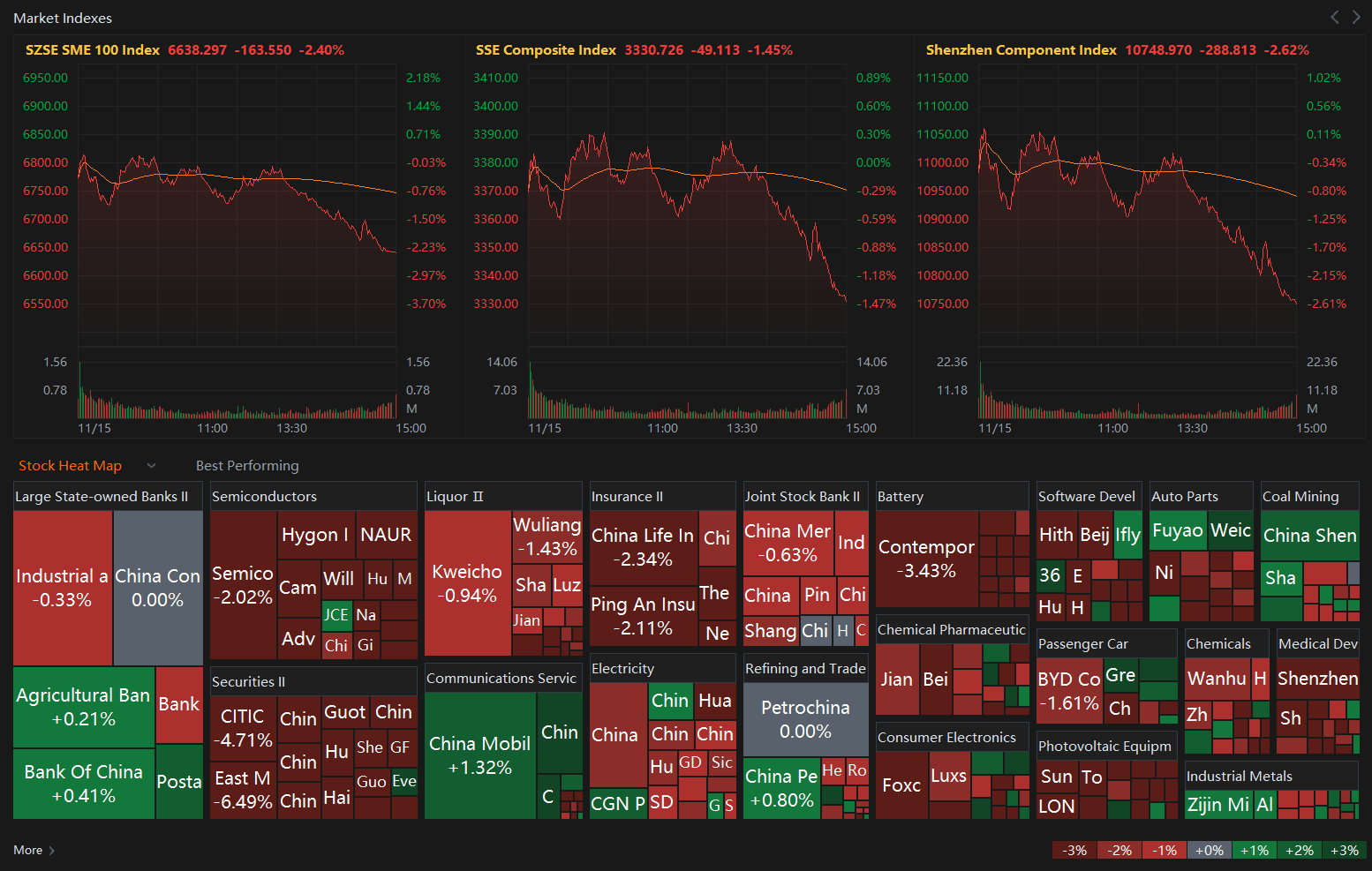
Chinese stocks experienced slight declines amidst mixed economic data, with indicators like industrial production and house prices falling short of expectations. Specifically, Chinese stock indexes were set to lose around 2% this week, while the Hang Seng was down over 6%.
Meanwhile, Japanese markets, represented by the Nikkei 225 and TOPIX indexes, showed resilience despite a significant slowdown in economic growth in the third quarter. Private consumption stood out as a key support factor, offsetting challenges in capital spending and foreign demand.

The Bank of Japan's limited room for interest rate hikes, coupled with heightened political uncertainty, has been a focal point for market watchers. Across broader Asian markets, traders adjusted their expectations for immediate U.S. interest rate decreases.
While Australia's ASX 200 saw a 0.5% rise and South Korea's KOSPI fell by 0.5%, India faced challenges with the Nifty 50 index signaling a weak opening following sustained foreign outflows and concerns over inflation. The looming prospect of a Trump presidency, along with proposed tariffs on U.S. imports, particularly impacts China, adding further complexity to the regional market landscape.