
Breaking News: U.S. Retailers All Warned about a Potential Price Increase

Go Wire
November 20, 2024
GoGPT Summarizes Articles
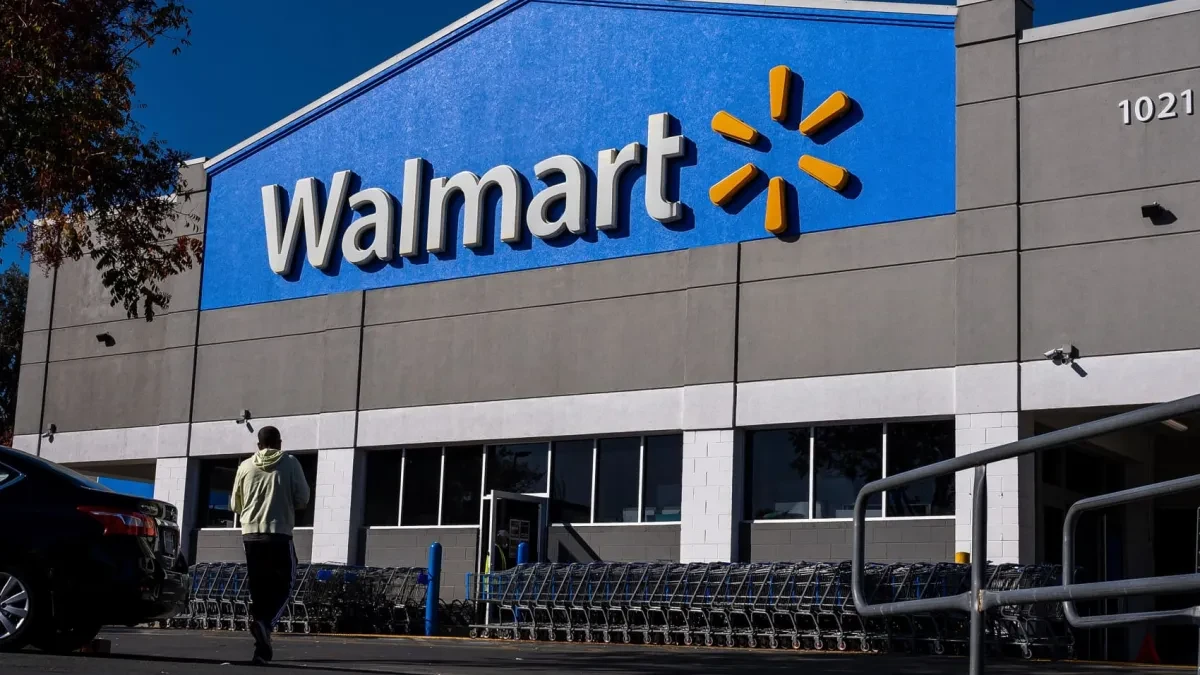
With U.S. President-elect Donald Trump's return to the White House, major US retailers including Walmart and Lowe's have warned about the risks of potential tariff policies. The risk stems from Trump's proposals during his presidential campaign. He noted that his administration would impose tariffs of 10-20% on all imports to the US and 60-100% on imports from China.
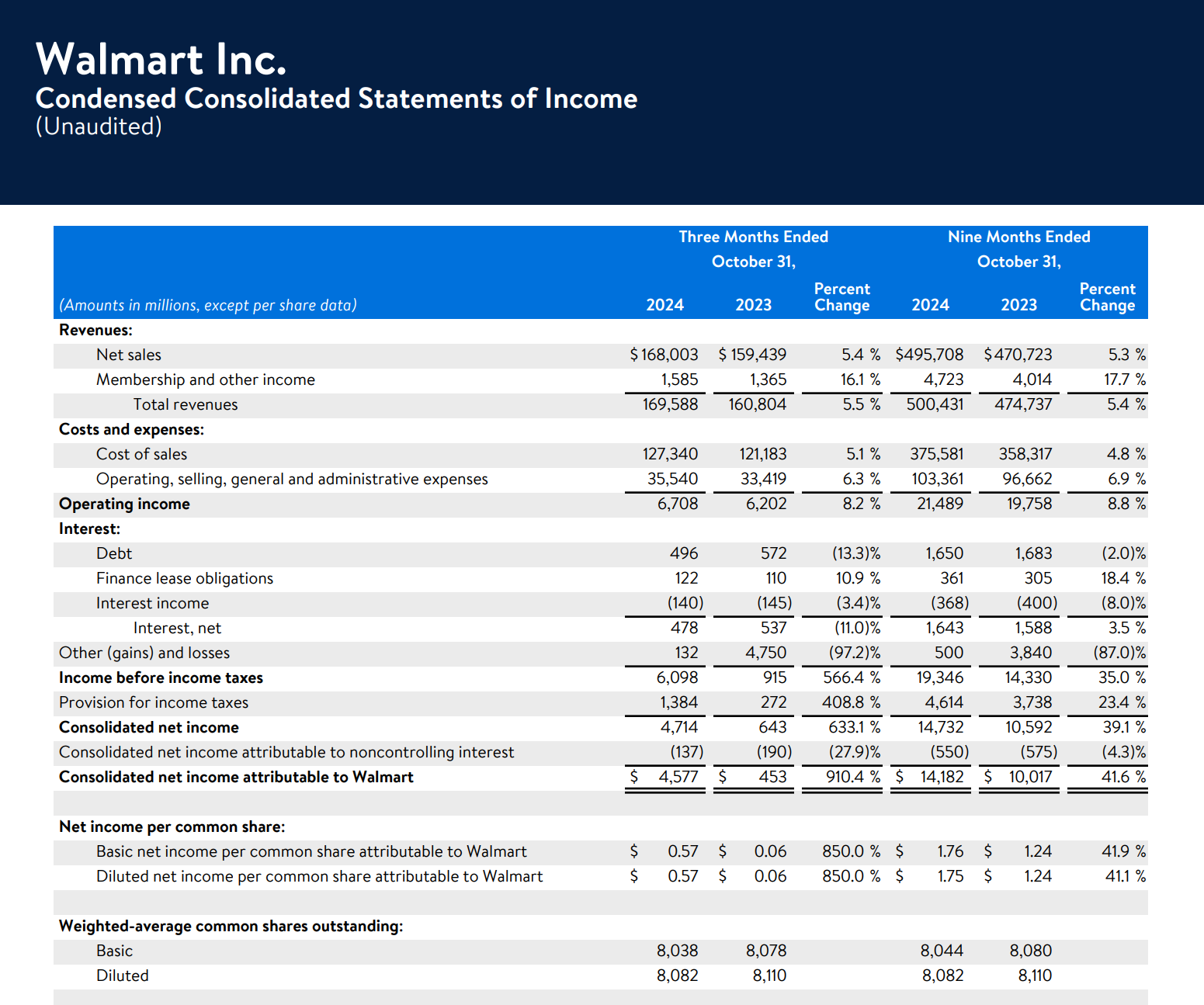
On November 19, John David Rainey, chief financial officer of Walmart (NYSE: WMT), the largest U.S. retailer, said that Walmart may have to raise prices on certain items if Trump's proposed tariffs work. He emphasized that because of its strategy of Every Day Low Prices, Walmart never wanted a price raise. However, increasing tariffs would increase the risk of higher product prices. On the same day, Walmart released its Q3 FY25 earnings report, showing a quarterly total revenue of $169.6 billion. Its revenue grew nearly 14% year-over-year and its total same-store sales rose 5.5%, exceeding Wall Street expectations. Walmart also raised its full-year earnings estimates.
Lowe's (NYSE: LOW) echoed Walmart's concerns on tariffs during their Nov. 19 earnings release. Lowe's posted $1.695B in net earnings with $2.99 EPS for the quarter ending Nov. 1, 2024. Quarterly sales totaled $20.2B, a 1.1% decrease from the previous year.
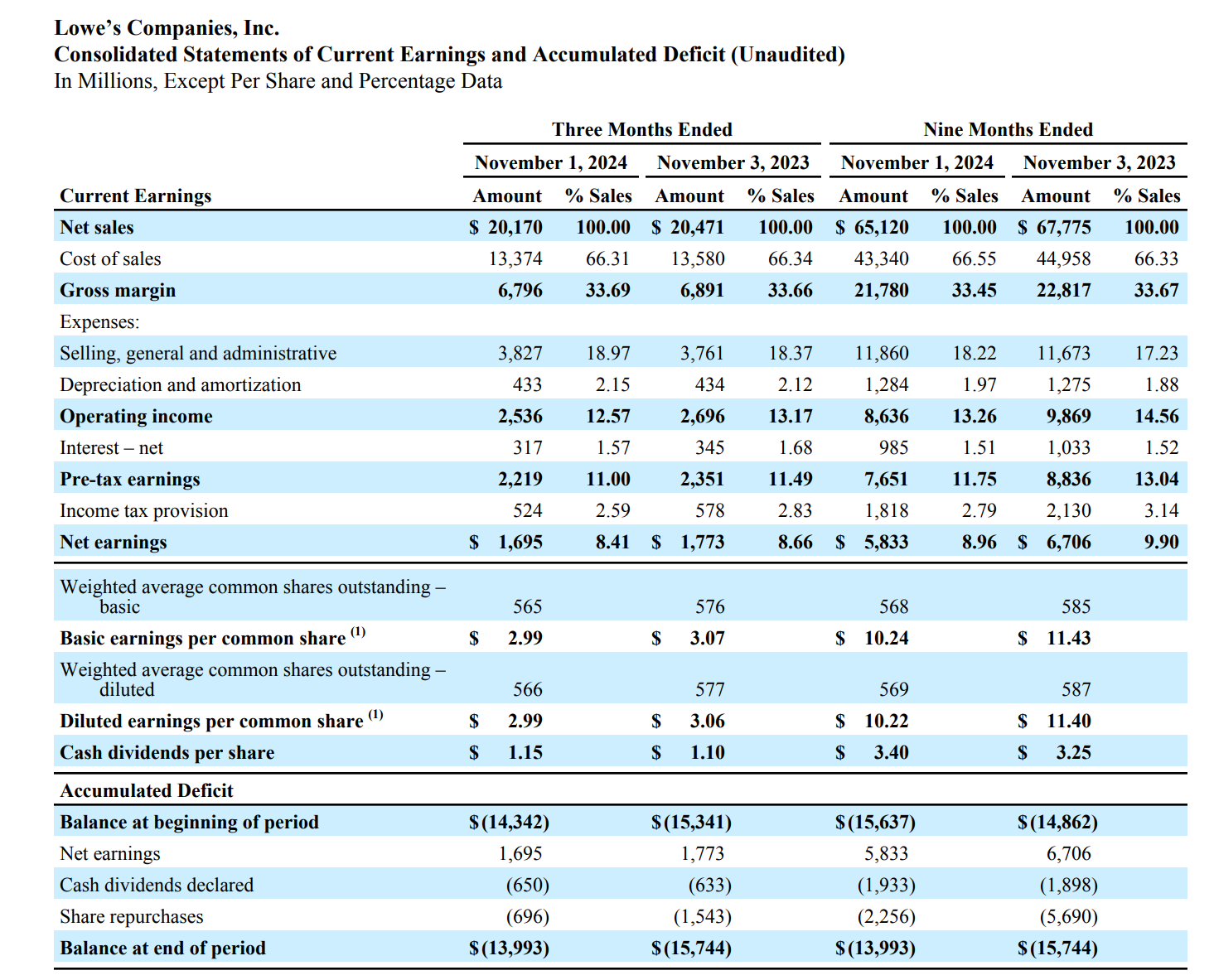
Lowe's CEO remarked that high-single-digit positive comps in Pro, online sales, and smaller-ticket outdoor DIY projects made earnings results modestly better than expected. Its Chief Financial Officer Brandon Sink said on the earnings call that because about 40% of the company's cost of goods arose from regions outside the US, the tariffs would increase product costs. But, he reassured that Lowe's already had a plan to deal with the potential rising costs.
Similarly, Tarang Amin, chief executive of E.l.f. Beauty, an affordable U.S. makeup brand, said in a media interview in November that the company may be forced to raise prices if higher tariffs take effect.
To deal with the cost increase caused by the tariffs, shoemaker Steve Madden recently said the company would reduce its Chinese imports by 45% in 2025.
Many retail executives, not just those mentioned above, said they were working to diversify their supply chains to hedge against the risk posed by potential tariff change. Since September, executives from nearly 200 companies in the S&P Composite 1500 ESG Index have discussed tariff risks publicly, nearly twice as many as during the same period in 2020, according to LSEG.
Earlier in November, Matthew Shay, CEO of the National Retail Federation (NRF), called the full tariffs a “tax on American households” in a statement. He said they would drive up inflation and prices and lead to job losses.
#usmarket