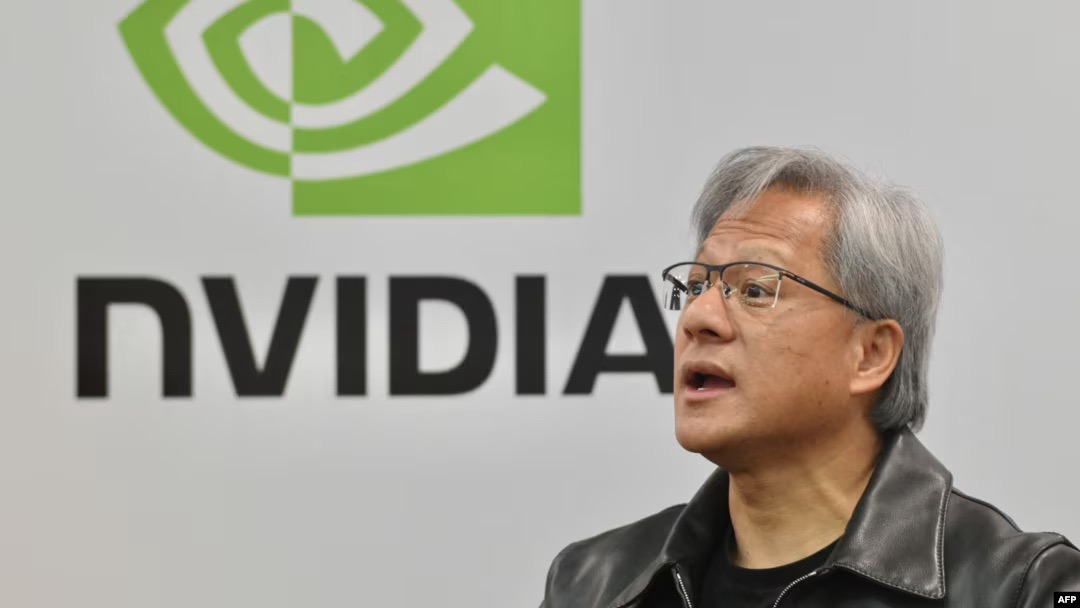
Nvidia Stock Rises on AI Spending and Chip Deals Ahead of Earnings

Nvidia Stock Rises on AI Spending and Chip Deals Ahead of Earnings
Nvidia (NVDA) shares rose nearly 5% on Tuesday following bullish reports from Wall Street analysts, citing strong chip demand ahead of the company’s earnings report scheduled for Wednesday afternoon.
This week, Stifel analyst Ruben Roy raised Nvidia's price target from $165 to $180 in a client note, while Truist Securities' William Stein increased his price target from $148 to $167.
Roy highlighted various factors, including continued significant investments in AI infrastructure by hyperscalers and rising demand for Nvidia's latest Blackwell AI chips.
"We believe Nvidia's presence across several markets positions it to achieve a total addressable market (TAM) exceeding $100 billion by the end of 2025, with long-term opportunities potentially approaching $1 trillion," Roy wrote.
Nvidia's stock gains were also boosted by news of a major chip deal. Cloud service provider Nebius Group (NBIS) announced its first GPU cluster in the U.S., featuring up to 35,000 Nvidia chips. GPU clusters are networks of graphics processing units (AI chips) with immense computing power used to train and operate artificial intelligence software.
For context, Nebius' order of 35,000 chips accounts for approximately 4% of the Hopper AI chips Nvidia is estimated to have shipped during October, according to Bloomberg consensus data.
Nvidia declined to comment on the deal.
The stock rally follows a dip the previous day after a report by The Information suggested overheating issues with Nvidia's Blackwell AI servers. Earlier in August, Nvidia reportedly faced design flaws in its Blackwell chips, delaying production ramp-up to the January quarter.
Nvidia has not confirmed overheating issues, stating to Yahoo Finance on Monday that “engineering iterations are normal and expected.”
Truist Securities' Stein addressed these overheating concerns, noting, “Our conversations with industry contacts do not fully corroborate this report, but they do highlight supply chain challenges during the production ramp.”
Despite concerns about Blackwell, Dell Technologies (DELL) confirmed shipments of its latest AI hardware, the PowerEdge system, equipped with Nvidia's GB200 NVL72 systems.
“Sentiment from Nvidia, its partners, and our industry contacts remains overwhelmingly positive,” Stein wrote in a note, adding that demand for Nvidia chips in robotics, "traditional" computing sectors, and AI software development continues to grow.
Cautious Views Amid Strong Earnings Projections
KeyBanc analysts took a more cautious stance ahead of Nvidia’s earnings, lowering their forecasts for the January quarter. They cited declining demand in China for Nvidia H20 chips, noting increased pressure on Chinese hyperscalers to adopt domestic AI solutions.
“We believe H20 demand in China is being pushed out due to mounting pressure to use local AI alternatives,” they wrote on Tuesday.
KeyBanc also raised concerns about cannibalization between Nvidia's Blackwell and Hopper chips. “For H200 chips, we’re hearing some demand is delayed as Blackwell (B200) chips become available.”
The firm cut Nvidia's fiscal fourth-quarter sales estimate from $40 billion to $37.7 billion and reduced its earnings forecast from $0.88 to $0.83 per share. Despite these revisions, KeyBanc maintained its Overweight rating and a price target of $180.
Overall, analysts expect Nvidia’s adjusted earnings per share to grow 85% year-over-year to $0.74 and revenue to rise 84% to $33.2 billion, according to Bloomberg consensus estimates. Around 90% of Wall Street analysts tracked by Bloomberg recommend buying Nvidia stock.
What’s Next for Nvidia?
Nvidia’s dominant position in the AI space continues to attract investors, but supply chain constraints, rising competition, and evolving demand trends present potential challenges. Even so, analysts remain optimistic about Nvidia's long-term potential, particularly in AI infrastructure, robotics, and traditional computing markets. The upcoming earnings report will be a key test of Nvidia’s ability to sustain its impressive growth and leadership in the AI revolution.
Currently, Nvidia's stock is trading at $147.01, with pre-market gains nearing 5%. If the earnings report delivers positive surprises, the stock could break its previous high of $149.77, as it remains within an upward channel. However, if the report disappoints, $132.32 will be the next critical support level. Let’s wait and see—what are your thoughts on Nvidia’s outlook? Share your predictions in the comments!