
Huawei Attempts to Mass-produce Its Latest AI Chips in 2025, Regardless of US Curbs

Go Wire
November 21, 2024
GoGPT Summarizes Articles
Informed sources said that Huawei decided to mass-produce its latest Ascend 910C AI chip by early 2025, aiming to compete with industry leader Nvidia (NASDAQ: NVDA) despite significant challenges posed by US restrictions. US export controls prevent Huawei from getting the yields, the percentage of fully functional chips on the production line, making it impossible to achieve commercial viability.
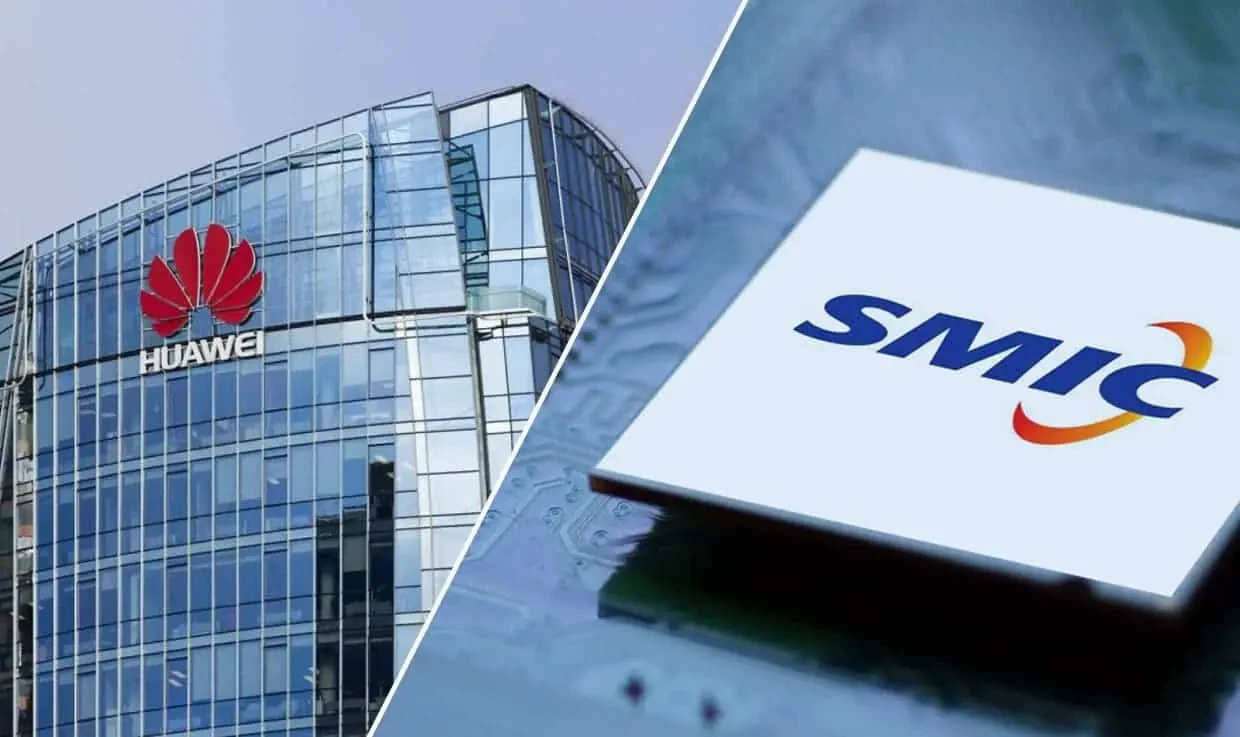
Currently, Huawei's Ascend 910C chips rely on the less advanced N+2 process of Chinese contract chipmaker SMIC (HKG: 0981), resulting in low chip yields. SMIC made the Ascend 910C’s yield reach only 20%, far below the 70% threshold needed for commercial viability. Huawei’s most advanced AI process, the Ascend 910B, has a yield of 50%, forcing Huawei to cut its production and postpone its orders.
What's worse. Washington’s restrictions aim to curb China’s technological progress, citing national security concerns. These measures include prohibiting China from acquiring extreme ultraviolet lithography (EUV) technology for the processors' manufacture from Dutch manufacturer ASML (AS: ASML) and limiting shipments of AI chips from TSMC (NYSE: TSM), another major Huawei supplier. TSMC has been required to stop shipping advanced AI chips to Chinese customers to prevent its chips from being delivered to Huawei by the US. So, Huawei struggles to guarantee full production.
In response, Huawei has prioritized strategic government and corporate orders to offset its production challenges. Additionally, analysts noted that Huawei should supplement its SMIC-led chips with those made by TSMC.
As of press time on Nov. 21, Huawei and SMIC had not responded to questions about the chip's commercial viability.
#aichip