
Sea's Diverse Businesses and E-commerce Profitability: Is It Still a Good Investment?

Magical Investor
December 1, 2024
GoGPT Summarizes Articles
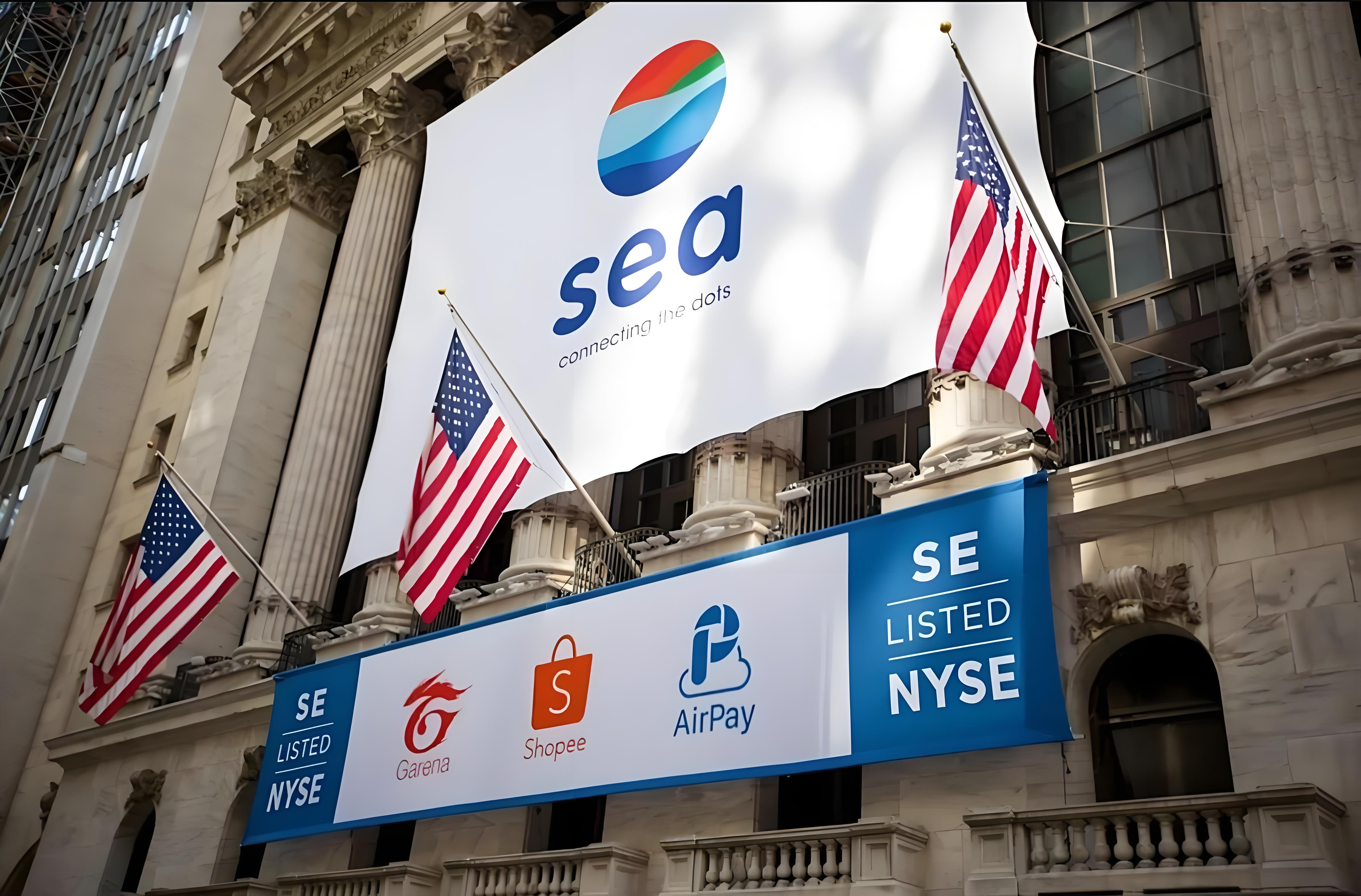 Since Sea released its earnings report at the start of this month, seven investment banks, including Morgan Stanley and Deutsche Bank, have hiked their target prices.
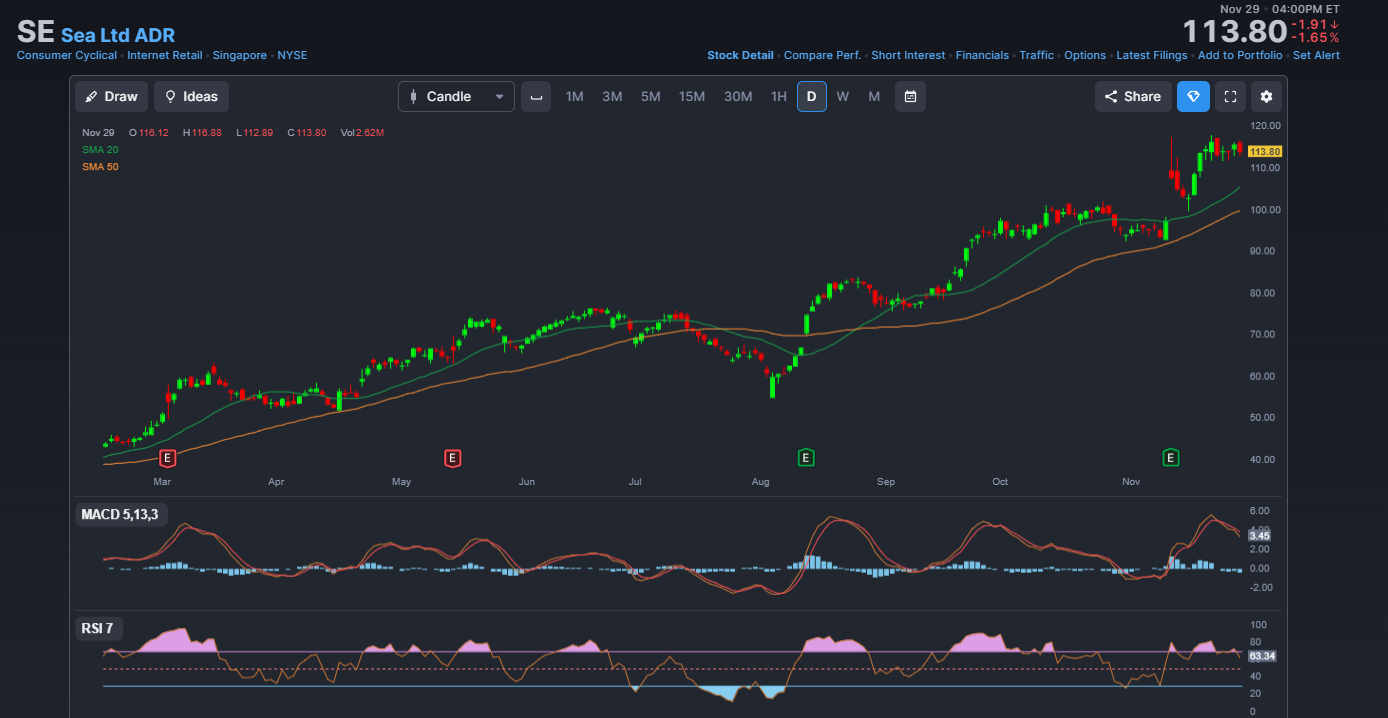
As of November 30th this year, Sea's market capitalization has surged by $43 billion, and its share price has witnessed an impressive increase of over 180%. So, what exactly is the secret behind the remarkable success of the SEA company?
Garena, Shopee, and SeaMoney, these three powerful drivers of Sea, are steadily propelling the company forward
Let's first take a look at the developmental journey of Sea:
-in 2009, when the company was initially founded, it was named Garena Interactive Holding Limited and primarily focused on the online game business.
-In 2015, it introduced the e-commerce platform Shopee, thus making its foray into the e-commerce realm. This platform has swiftly risen to prominence in Southeast Asia and has become one of the leading e-commerce platforms in the region.
-In 2017, the company rebranded itself as Sea Limited and secured $550 million in financing. Concurrently, it expanded its business scope to cover the digital financial services sector and launched SeaMoney.
At present, Garena, Shopee, and SeaMoney together form the three crucial pillars that are powering Sea's growth.
Among these three key components, Shopee deserves special attention.
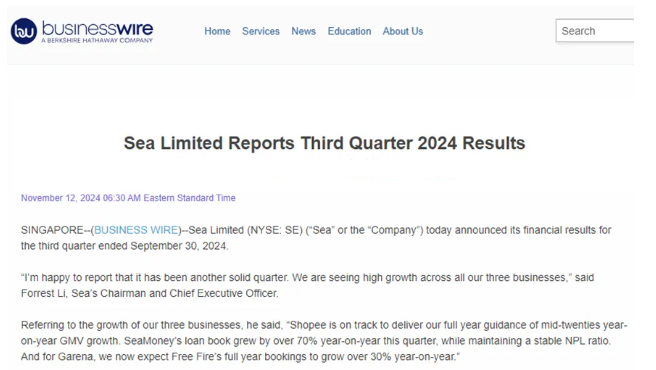
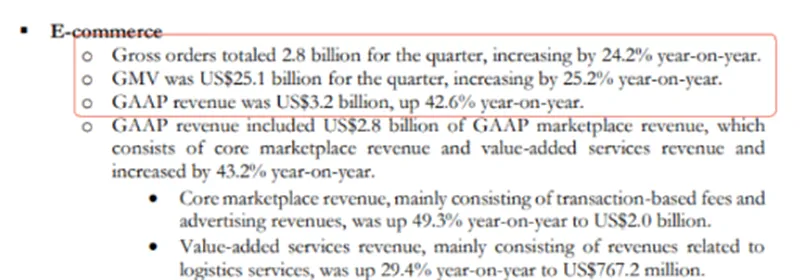
In Sea's third-quarter financial report released earlier this month, it is evident that the company's total revenue reached $4.33 billion in the third quarter of this year, with Shopee contributing a significant $3.14 billion, marking a year-on-year growth rate of 42.6%. It is fair to say that Shopee has played a vital role in enhancing the parent company's performance.
Furthermore, Shopee's Gross Merchandise Volume in the third quarter also witnessed a year-on-year growth of 25.2%, reaching $25.1 billion. Its adjusted core profit stood at $34.4 million, contrasting with a loss of $34.7 million during the same period last year.
Initially, Sea established a strong presence in Southeast Asia through its game business. It was not until 2015 that the company officially launched Shopee. Currently, Shopee's e-commerce business has evolved into the cornerstone of the Sea Group. Thanks to the robust growth of its e-commerce operations last year, Sea managed to achieve its first full-year profit since going public.
Shopee's expansion into e-commerce markets outside Asia has faced challenges. Due to a mismatch between returns and expenditures, the platform ceased operations in several e-commerce markets like France and Spain and closed its local businesses in Colombia, Chile, and Mexico. However, Shopee did not confine itself to the Asian market but continued to explore, eventually finding Brazil as a promising market.
Data reveals that since May this year, Shopee's website traffic ranking in Brazil has surpassed Amazon's on multiple occasions, securing the second position in the market. Rodrigo Farah, who leads Shopee Brazil's brand and live commerce, mentioned that Shopee's live e-commerce business in Brazil is experiencing rapid growth. Over the past year, the revenue generated by Shopee Brazil's live e-commerce business has increased by more than tenfold, and the performance of live e-commerce sellers has also multiplied.
Based on these circumstances, I believe that, given Sea's management strategy, Shopee's e-commerce business still holds substantial potential for further growth.
What's the outlook for the future? Is it still a viable investment option?
We can sum it up from the following perspectives:
Favorable Geographical Location: When considering Southeast Asia as a whole, it boasts a large population, a youthful demographic, and is undergoing rapid modernization. It is a market that garners significant attention from global capital.
Optimal Business Layout: Starting with the online game business, then branching out into e-commerce, and subsequently venturing into Internet finance, the integration of user traffic and financial services creates a model that remains relevant regardless of how the future unfolds.
Intense Competition: Certainly, Sea isn't without competitors. In the e-commerce domain alone, it faces competition from platforms like Lazada, Tokopedia, Amazon, Alibaba's overseas operations, TikTok's overseas initiatives, and Pinduoduo's overseas business.
Nevertheless, Southeast Asia offers Sea an unparalleled home-field edge. Government departments are likely to favor local enterprises. Coupled with its outstanding management team and well-crafted development strategy, I reckon that its current share price is still at a reasonable level.
In the short term, I would assign a valuation of $130 to Sea. Looking at the long term, I wouldn't hesitate to value it at $300.