
Intel CEO Pat Gelsinger Resigned, the Analyst Optimistic about Opportunities for Change Under New Leadership

Go Wire
December 3, 2024
GoGPT Summarizes Articles
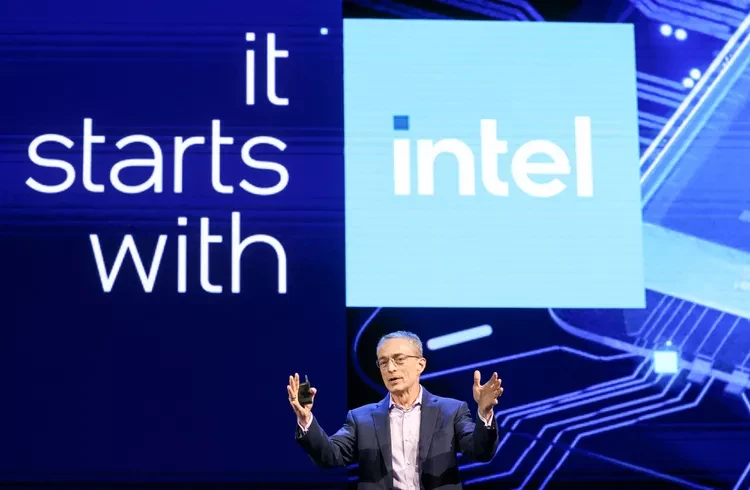
Tech giant Intel announced that its CEO Pat Gelsinger had resigned from the company's Board of Trustees on December 1. The board has been looking for Gelsinger's successor.
David Zinsner, Intel’s chief financial office, and Michelle Johnston Holthaus, general manager of Intel’s client computing group, will be interim co-CEOs. Frank Yeary, the chairman of the board, will be the interim executive chairman. The leadership structure of Intel Foundry remains unchanged.
Frank Yeary, on behalf of the Board of Trustees, expressed gratitude for Pat Gelsinger and said that the new personnel appointments intended to ensure resources for product teams, retain product leadership, and improve efficiency and profitability.
According to several analysts, the personnel change marks a radical change for Intel, which reported a net loss of $16.6 billion in the third quarter of 2024, setting a new record for Intel's losses. The outside believed that the loss was because Intel lost in the product competition. Truist analyst William Stein pointed out that Intel failed to follow the major changes in AI technology. So, its lagging AI-related products could not capture market share from competitors' innovative products, making product sales decline.
To reverse the losing battle, Intel launched the IDM2.0 program for independent foundry businesses in 2024. However, in the third quarter of 2024, the foundry business created a $5.844 billion operating loss, exacerbating Intel's losses.
Furthermore, Intel may have to retain the foundry business that created the losses. The Biden administration will provide $7.86 billion in grants if Intel does not sell its foundry. Seeking Alpha analyst Michael Delmonte believed that the inability to reverse losses may be one explanation for Gelsinger's resignation.
Despite Intel's internal and external problems, Mizuho analyst Rakesh believed that new leadership may mean new opportunities for Intel. He maintained a neutral rating on Intel with a $23 price target.
To salvage the declining performance, Intel has been investing in its products R&D. Its AI PC processor, Intel 18A, will be mass-produced in 2025. It has also launched its AI portfolio including Intel GPUs to comply with the technological innovations of the AI era.
At press time, Intel (NASDAQ: INTC) was down 0.13% after hours in the US market on December 2.
#intel