
South Korea's Martial Law Drama: What It Means for Investors and Markets

Shearing sheep
December 4, 2024
GoGPT Summarizes Articles
Hey everyone!
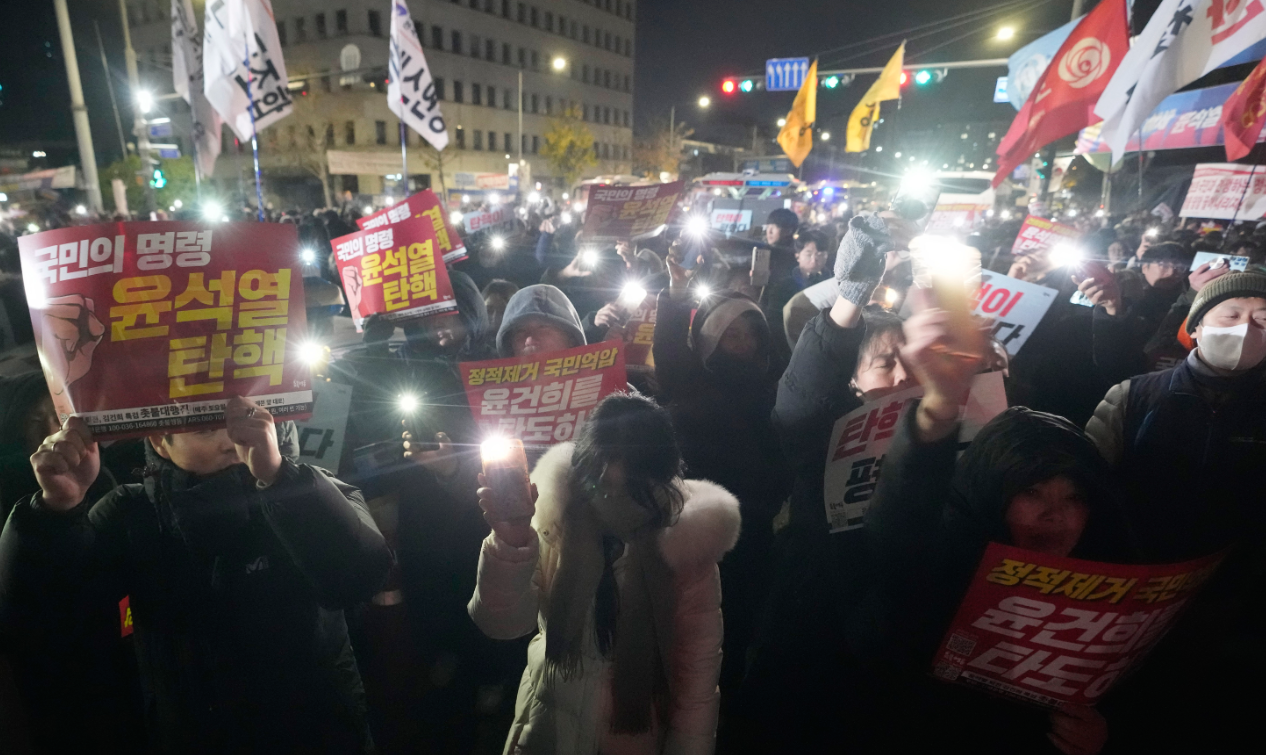
So, here’s a wild one: South Korea's President Yoon Suk-yeol dropped a bombshell late Tuesday night by declaring emergency martial law. The man essentially threw the nation into chaos, citing "anti-state forces" among political opponents as the reason. Fast forward a few hours, and the National Assembly rejected the martial law by a landslide. Lawmakers were not having it, and Yoon had no choice but to backtrack and lift the decree.
This was no small thing. We’re talking about South Korea’s first martial law declaration since 1980. For a country that’s been a democracy for decades, the announcement was pretty shocking. As you can imagine, the markets freaked out. The South Korean won took a dive, hitting its lowest level against the dollar in over two years, and the stock market wasn’t looking much better. But once martial law was lifted, things started to calm down a bit. Still, the damage was done — the KOSPI Composite Index (^KS11) dropped by over 2%, and the won depreciated rapidly.
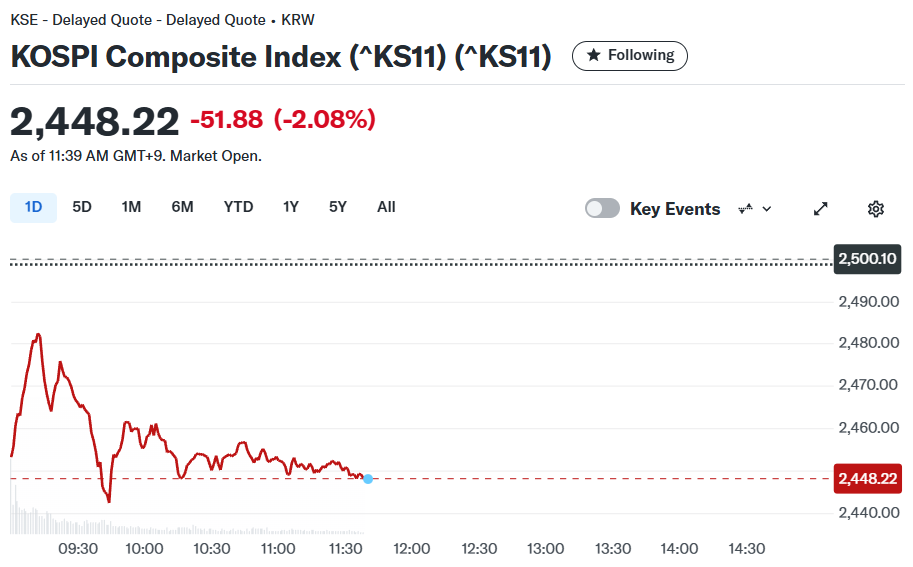
Now, let's talk about what this means for investors. In the short term, you can bet that volatility is the name of the game. South Korean assets took a hit across the board, from stocks to the won to even Bitcoin, which saw some crazy swings in trading prices.
- KOSPI200 stock index options dropped by more than 5% overnight.
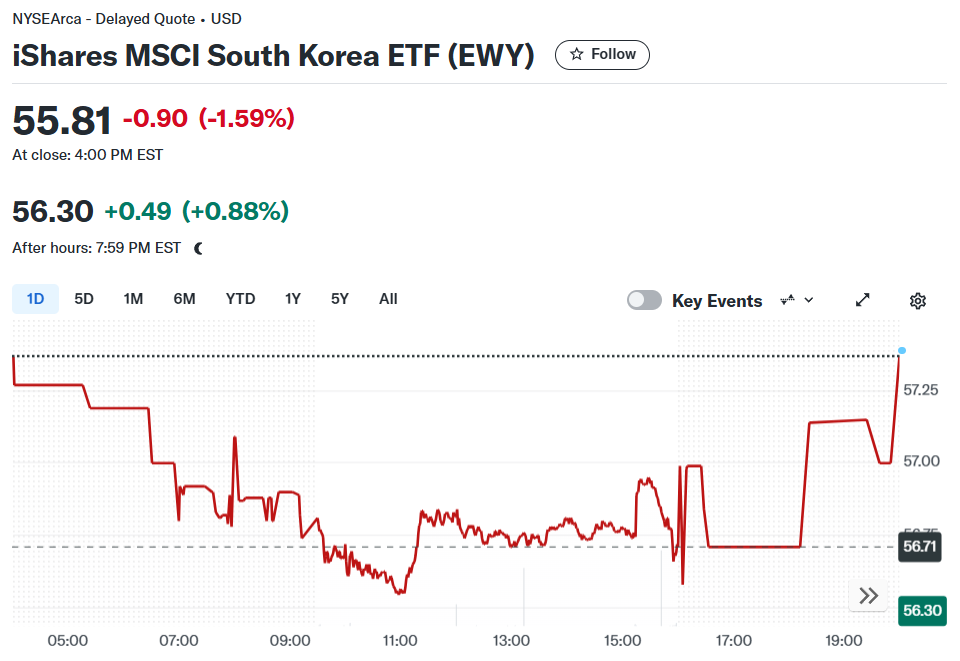
- MSCI Korea ETF listed in the US dropped as much as 7%.
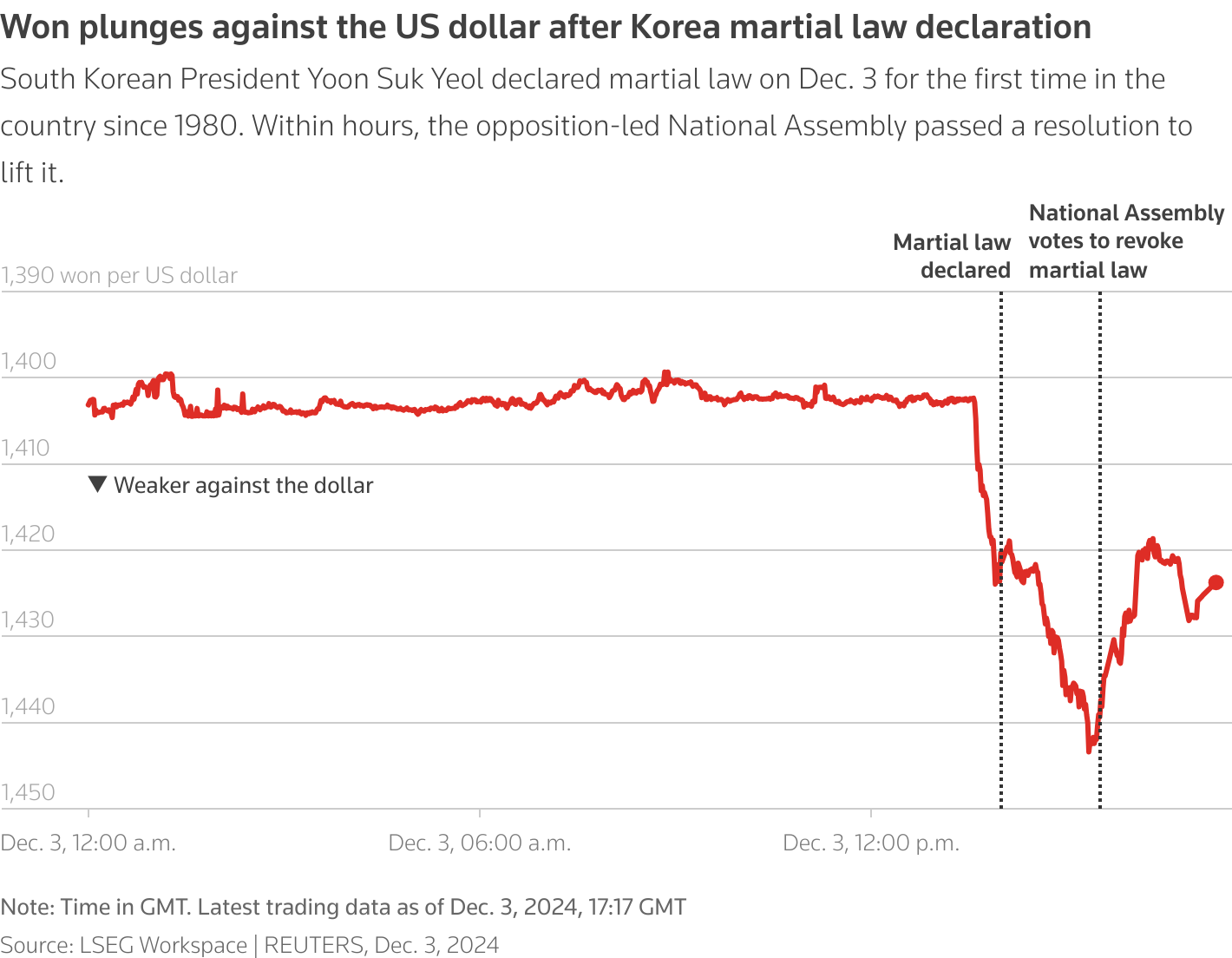
- The won depreciated over 2% against the dollar at one point, its lowest in two years.
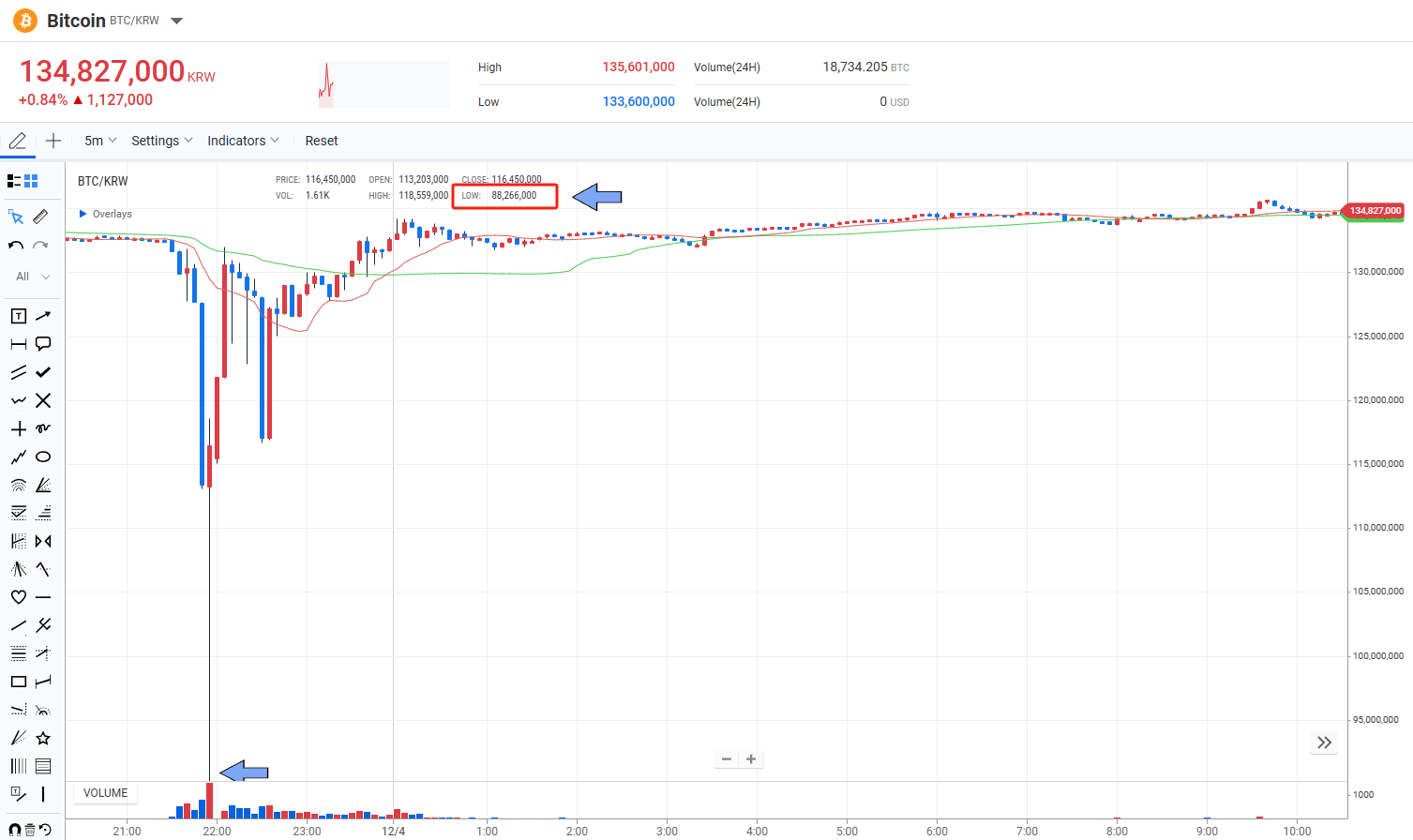
- Bitcoin trading on Upbit in South Korea dropped from 134 million KRW (about $94,500) to 88 million KRW (around $62,100) at one point, with some temporary trading halts.
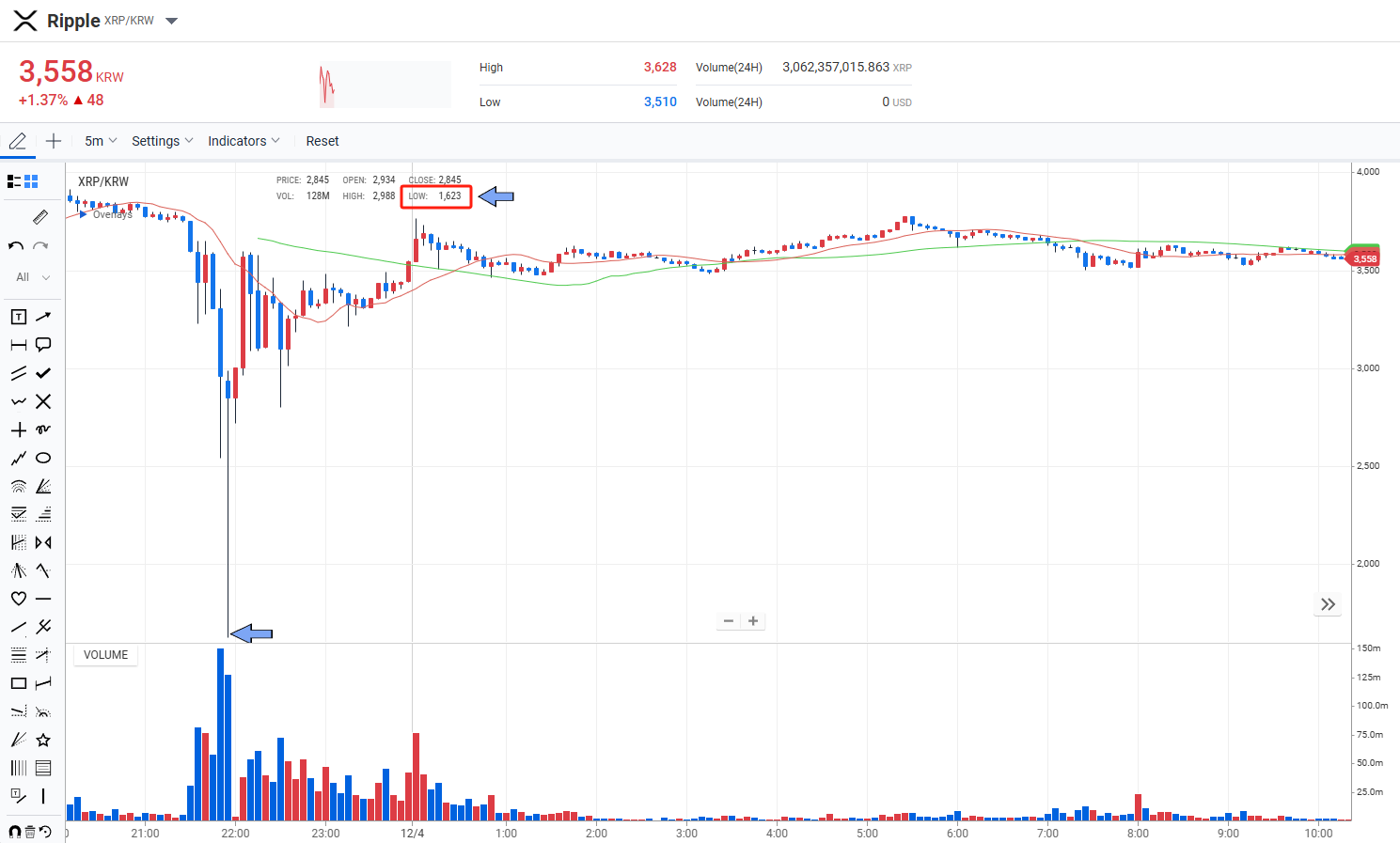
- XRP, also on Upbit in South Korea, took a massive hit, dropping 60% from $2.90 to $1.16 in a flash.
But then, the financial authorities stepped in pretty quickly. They promised to use "all financial support tools," including unlimited liquidity, to stabilize the markets. These assets started to recover, and the declines narrowed. We’ve seen this kind of rapid response before during times of crisis, and it’s reassuring to investors that the government is ready to act when things get rocky.
But here’s the kicker: when a country goes through this kind of political turmoil, investors start to get nervous. Sure, the markets might stabilize now, but there’s still a lot of uncertainty about what comes next. If South Korea faces snap elections or continued political gridlock, that could spell trouble for the economy in the long run. As we saw with the initial market reaction, the global financial community is paying close attention. And let's be honest, this is the kind of instability that markets don’t love — especially in a region already dealing with North Korea’s unpredictability.
That said, let’s look at the silver lining: for investors who are brave enough, this could be a buying opportunity. Volatility often creates buying opportunities, especially when you’re looking at the long term. South Korea is a major economy with strong fundamentals, and if you believe that the political situation will eventually calm down, this could be a time to pick up some assets on the cheap. But of course, it’s all about risk tolerance.
So, what do you think? Will this political drama cause a longer-term headache for South Korea’s economy, or is this just a short-term bump in the road?