
Tesla's Exuberant Upswing: Is the Stock Price Nearing $400?

Magical Investor
December 4, 2024
GoGPT Summarizes Articles
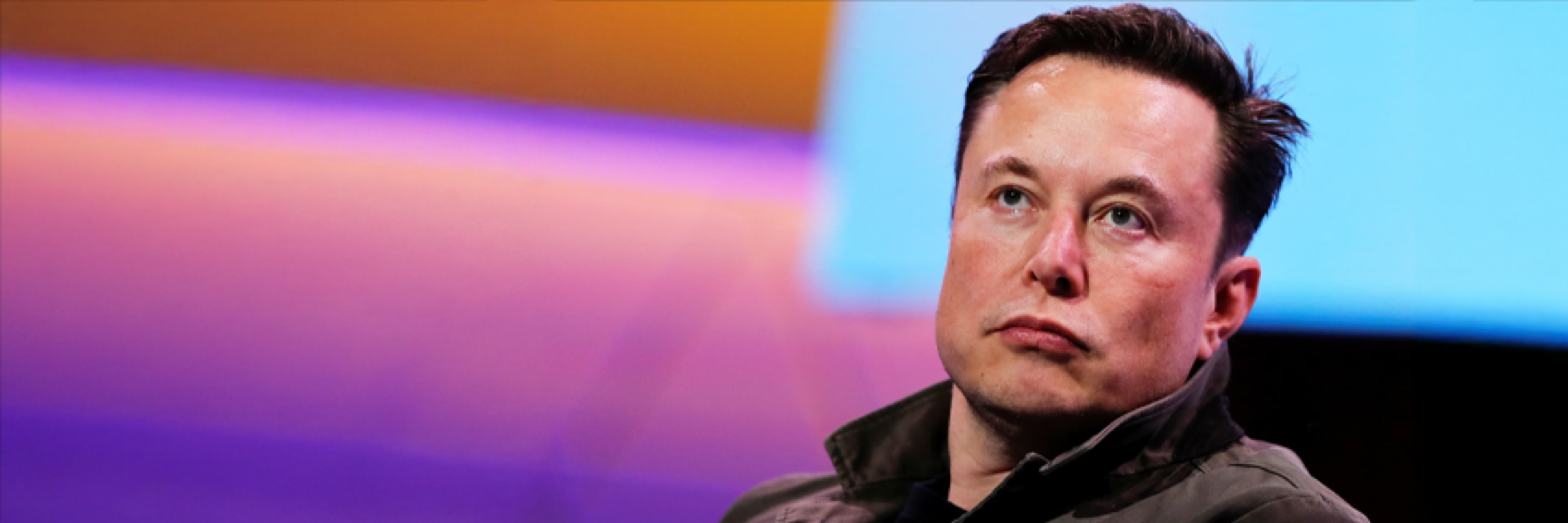 Since November 5, Tesla's stock price has surged by 39%, emerging as a significant beneficiary of President Trump's election victory. Chief Executive Officer Elon Musk played a pivotal role in this campaign.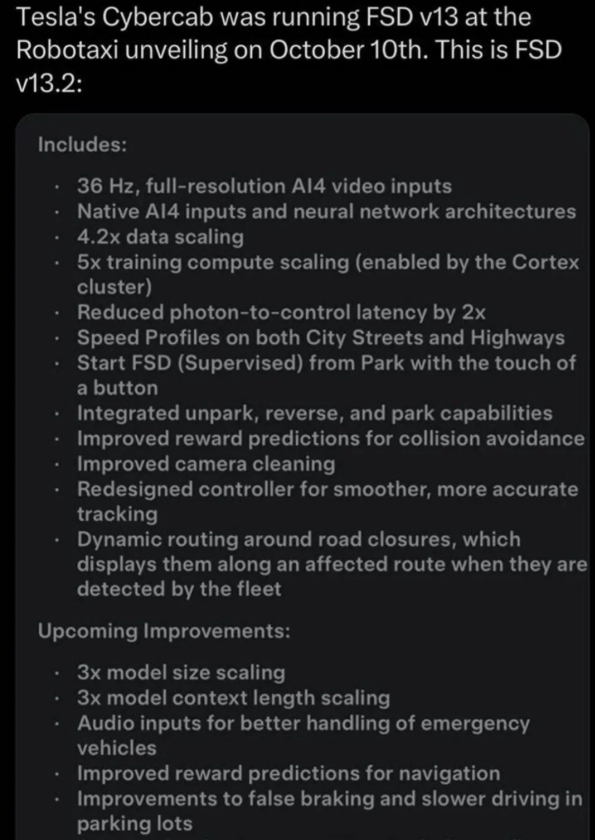
Numerous investors are optimistic that his company will thrive under the new economic and regulatory landscape.
However, Tesla's position is not without challenges. Let's delve into the advantages and disadvantages of investing in its stocks.
The Maturation of Tesla's Core Automotive Business
While Tesla has reaped significant benefits as a trailblazer in the electric vehicle (EV) market, its edge in brand recognition and technology appears to be reaching a plateau.
In the third quarter, its revenue saw a modest 2% year-on-year rise to $20 billion, a stark contrast to the 74% surge observed three years prior.
Tesla finds itself in a paradox of its own success. The Model Y stands as the globe's best-selling car, surpassing stalwart mass-market rivals like the Toyota Corolla and Rav4. Yet, the company's expansive market saturation poses a challenge for sustained growth, given that most potential Tesla buyers likely already own one.
On the bright side, Tesla remains a well-organized and efficient entity capable of upholding profit margins.
Despite stagnant revenue, the company's adjusted earnings before interest, taxes, depreciation, and amortization (EBITDA) climbed by 24% to $4.7 billion.
While the automotive sector no longer serves as a primary growth catalyst, it holds the potential to evolve into a dependable revenue stream as management explores alternative avenues for expansion.
What does Trump's election success mean for Tesla?
Elon Musk gave stump speeches for Trump's campaign and donated at least $132 million through his super PAC, America PAC. However, although Trump's victory has caused Tesla's stock price to soar, it is still unclear how the new administration's policies will affect the company's revenue and profits.
According to reports, Trump's transition team aims to end the electric vehicle tax credits of the Biden era. This $7,500 subsidy makes electric vehicles more affordable than gasoline-powered vehicles and helps boost electric vehicle sales.
Trump has also promised to cut manufacturing outsourcing, which may run counter to Tesla's ambition to build a new factory in Mexico.
Nevertheless, Musk still seems to be confident in the future of the United States under Trump's leadership.
Although the loss of subsidies may affect the demand for Tesla cars, due to its economies of scale and manufacturing capabilities, Musk's company may be better able to survive and thrive in a more competitive environment.
The Trump administration may also relax some regulations on Tesla's other growth opportunities, such as autonomous vehicles, robots, and artificial intelligence. As the growth of Tesla's electric vehicles continues to slow down, these businesses may become increasingly important for Tesla.
Short-term and Long-term Highlights
In the short term, the focus of Tesla's stock price is the progress of its Full Self-Driving (FSD), and in the long term, the highlight is in its robotics business.
The latest version of FSD V13 has achieved "Park to Park", which supports autonomous driving from the starting point to the destination and automatic parking. This is undoubtedly exciting, but limitations still exist.
Currently, FSD performs stably on main roads and highways, bringing great convenience to long-distance commuters. However, in complex scenarios such as 3-Way Stop Signs and in low-visibility weather (such as heavy rain and smog), the system often hesitates or downgrades to assisted driving. This reflects the shortcomings of the pure vision approach under extreme conditions.
The key to achieving Level 5 (fully autonomous driving) lies in continuously optimizing the model with massive data and stronger computing power and exploring solutions to low-visibility scenarios. If this problem can be solved, the future of unmanned taxis may truly arrive.
And Tesla's robots have already shown astonishing progress in dynamic capabilities—the dexterous hands with 22 movable joints, increased walking speed, and the ability to accurately grasp tennis balls, marking that the hardware-level technology has been basically conquered. However, whether the robots can fully realize their potential depends on the development of their "brains".
Tesla is currently developing an intelligent system through xAI, hoping to achieve Artificial General Intelligence (AGI). Although there is still a long way to go in terms of technology, its breakthrough will not only affect robots but may also reshape the entire social economy.
Is it still worth buying?
Tesla's expected price-to-earnings ratio (P/E) is 103 times. If it is regarded as an automobile company, this is definitely much too high.
However, if we consider Tesla as a technology company that can change the future.
In the long run, if either the FSD or the robotics business can achieve a breakthrough in Level 5 or AGI, it will drive the company to a higher market capitalization. In the short term, the entry of FSD into China and the implementation of autonomous taxis in the United States are also important catalysts for the stock price.
Therefore, I think short-term investors should wait for a better entry point before considering holding the stock. And for value investors, starting a regular investment from now on and waiting for the revolution brought by Tesla is also a good choice.