
2025 Outlook: How Many Times Will the Fed Cut Interest Rates Next Year? At What Frequency? And How Should We Respond?

Magical Investor
December 15, 2024
GoGPT Summarizes Articles
On November 7, the Federal Reserve announced that it would lower the federal funds rate target range by 25 basis points to 4.50% - 4.75%.
According to the economists surveyed by Bloomberg News, the Fed is expected to cut interest rates by another 25 basis points at its meeting on December 17 - 18, bringing the benchmark interest rate down to the range of 4.25% - 4.50%.
This means that the cumulative rate cut since September will reach 1 percentage point.
Moreover, economists expect that the pace of rate cuts next year will be slower than what was predicted three months ago.
Most economists believe that due to the limited progress in getting inflation closer to the Fed's 2% target, there will be only three interest rate cuts in 2025.
This topic has attracted relatively high market attention currently. So today, let's have a good discussion about this expectation of the Fed for 2025.
The Fed's Battle Against Inflation
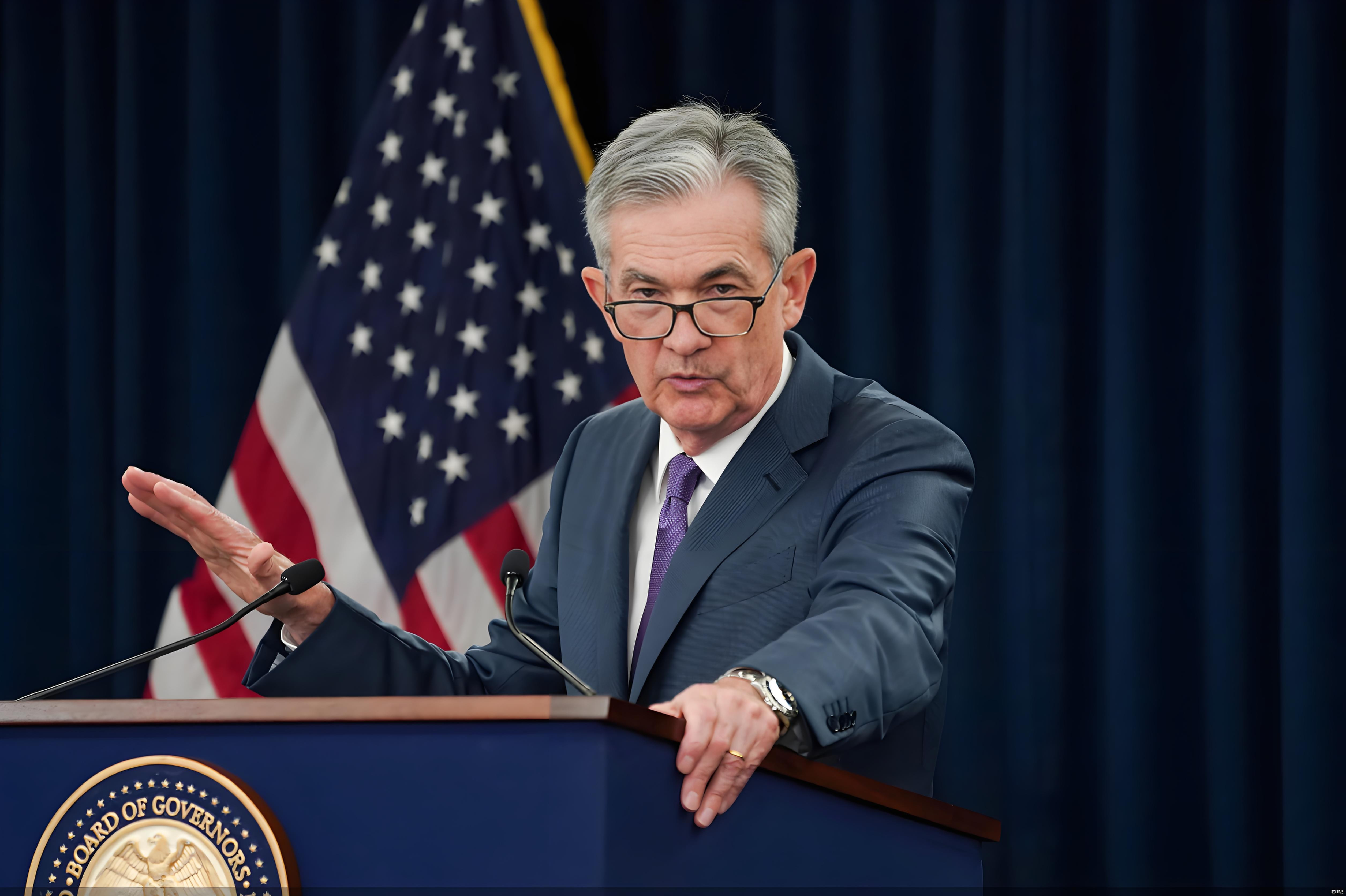
Since 2022, the Federal Reserve has been fighting against inflation.
The Fed has continuously raised interest rates and significantly increased the interest rate level to suppress people's excessive consumption and investment demands, thereby relieving the pressure of rapid price increases.
On this basis, the Fed has also begun to closely monitor various economic data, including the Consumer Price Index (CPI), the Producer Price Index (PPI), and the employment market situation. These data have become the key indicators and decision-making basis for it to measure the trend of inflation.
And at every other meeting, Fed officials will release the "Summary of Economic Projections", which is also known as the "dot plot" in the financial market.
The latest report in September showed that Fed officials expected the short-term interest rate to reach between 4.40% and 4.60% by the end of 2024 and fall to between 3.10% and 3.60% by the end of 2025.
Even though there have been continuous rate cuts recently, the interest rate level still remains relatively high, which is actually the result of the Fed's anti-inflation efforts over the years.
Based on this, if inflation continues to decline and approaches the Fed's 2% target level, more interest rate cuts may be seen in 2025.
If inflation remains stubborn, rebounds, or the economy picks up further, the number of interest rate cuts in 2025 may decrease.
What Do Wall Street Analysts Think About the Fed in 2025?
Let's listen to what Wall Street institutions and analysts have to say.
Barclays: Forecasts that the Fed will cut interest rates twice in 2025, down from the previous estimate of three times
The team led by Marc Giannoni, the chief U.S. economist at Barclays, has raised its forecast for U.S. inflation next year and lowered its GDP expectations.
They predict that the number of interest rate cuts by the Fed in 2025 will be reduced from three times previously predicted to two times, with each cut being 25 basis points.
Goldman Sachs Group: May Wish to Take More Cautious Actions
The team of economists led by Jan Hatzius at the Goldman Sachs Group believes that the Fed "may wish to take more cautious actions to ensure that it finds the right endpoint on the path of interest rate cuts."
Currently, Goldman Sachs' forecast is that there will be a 25-basis-point interest rate cut at each meeting before March 2025, followed by the final two cuts in June and September 2025.
JPMorgan Chase: Quarterly Interest Rate Cuts Starting from March 2025
JPMorgan Chase predicts that due to the "policy uncertainties" of the Trump administration, the Fed will change from cutting interest rates at every meeting in 2025 to cutting interest rates quarterly starting from March until the federal funds rate drops to 3.5%.
Nomura Securities: Adjusts the Fed's Number of Interest Rate Cuts in 2025 from Four to One
Economists at Nomura Securities expect that the Fed will cut interest rates only once in 2025 and raise their forecast for the terminal interest rate by 50 basis points to 3.625%.
This adjustment reflects the market's concern that Trump may fulfill his campaign promise to raise tariffs, which is expected to significantly push up inflation in the short term and lead to a moderate slowdown in economic growth.
Previously, Nomura economists had predicted that the Fed would cut interest rates four times in 2025.
TD Bank: Pause in Interest Rate Cuts
The analyst team including Oscar Munoz at TD Bank wrote in the report: "Although some investors may expect the Fed to even start raising interest rates under such circumstances, we expect that the Fed will choose to pause interest rate cuts while assessing the impact of these factors on inflation and economic growth."
How Should We Prepare in Advance?
Then, in the context of the slower pace of interest rate cuts in 2025, how should we, as investors, adjust our investment strategies?
After all, in such a market environment full of uncertainties, no one wants to miss opportunities, nor do they want to bear excessive risks.

I think the technology, healthcare, and consumer staples sectors are relatively reliable long-term choices here.
Tech giants have strong technological strength and market competitiveness. When the economic environment changes, they can often maintain relatively stable performance growth through innovation and diversified businesses.
Moreover, these companies usually have relatively high profitability and good cash flow, and can demonstrate relatively strong anti-risk capabilities in market fluctuations.
The continuous demand for healthcare services due to the aging of the U.S. population provides a stable growth impetus for the healthcare sector, and its profitability is also relatively stable.
In addition, regardless of how the economic situation changes, people's demand for consumer staples is always there.
Companies in industries such as food and beverages and daily necessities have relatively stable performance and can maintain a certain degree of defensiveness in an environment of a slower pace of interest rate cuts.
Secondly, in the situation of a slower pace of interest rate cuts, short-term Treasury bonds may be a good choice as they have relatively strong liquidity and can provide a certain fixed income while ensuring the safety of funds.
However, we don't need to be too pessimistic either. After all, the future is unpredictable.
#Fed Rate Outlook