
After the Federal Reserve's Hawkish Rate Cut, U.S. Stock Market Plunges: What's the Next Move?

Magical Investor
December 19, 2024
GoGPT Summarizes Articles
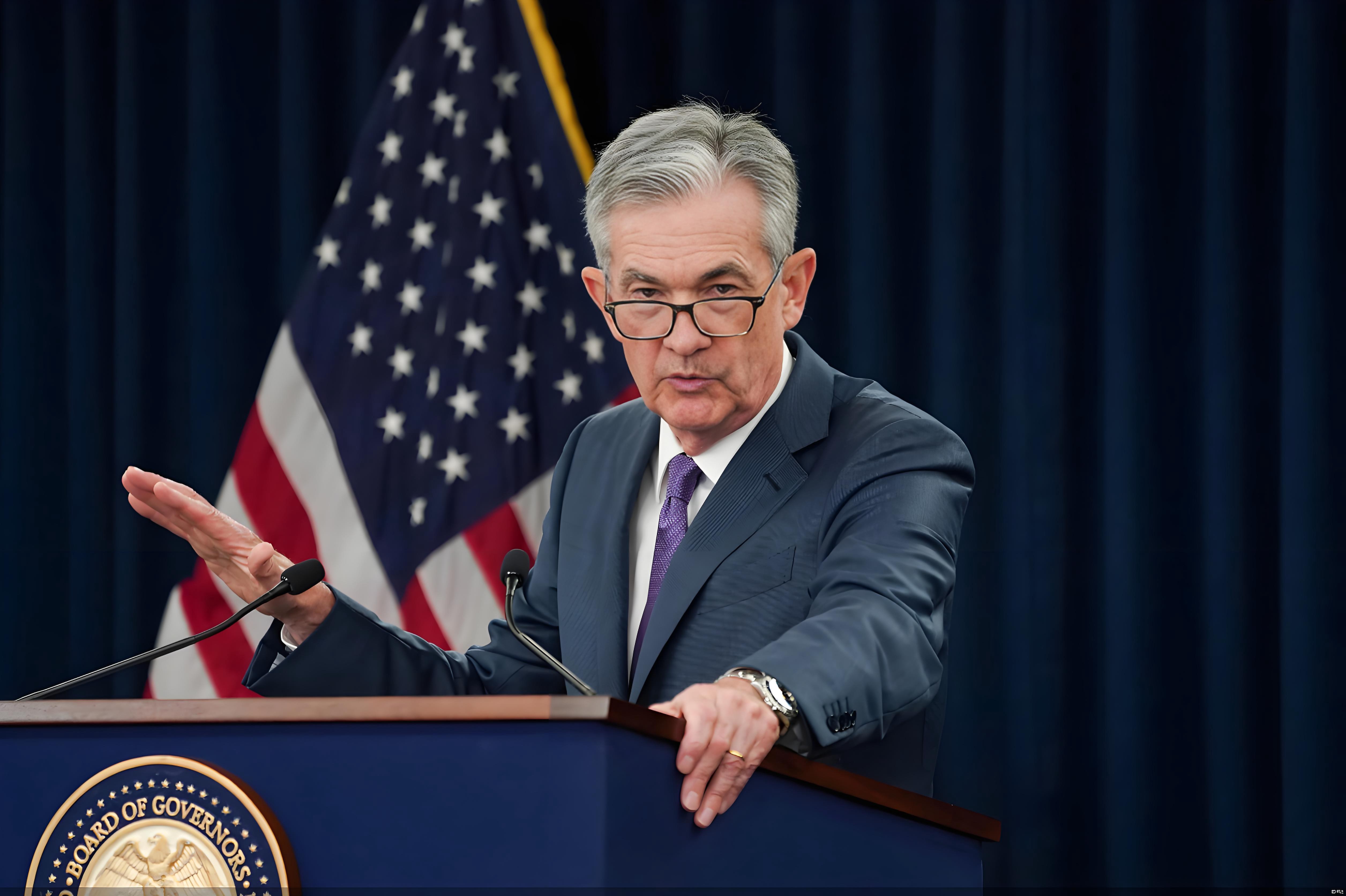
On December 18th, the Federal Reserve announced a 25-basis-point rate cut, which was in line with market expectations. The target range of the federal funds rate was lowered to 4.25% - 4.5%. This was the third consecutive rate cut by the Federal Reserve, following 50-basis-point and 25-basis-point cuts in September and November respectively.
In addition, the Federal Reserve reduced the interest rate on its reverse repurchase facility from 4.55% to 4.25%, a decrease that exceeded the reduction in the federal funds rate.
However, although the rate cut itself was not unexpected, the hawkish signals it sent made Wall Street nervous.
Divergence within the Federal Reserve
The decision on this rate cut was not unanimously approved. The president of the Federal Reserve Bank of Cleveland voted against the rate cut, indicating that there were differences within the Federal Reserve's decision-making process.
In the Federal Reserve's statement, compared with that in November this year, the wording hardly changed. However, in the expression of "further adjustments to the policy rate", the wording of "magnitude and timing" was added.
The statement said that the outlook for the U.S. economy remained uncertain, that the tightness in the U.S. labor market had generally eased, and that the unemployment rate had risen but remained low.
Among the 19 officials, one official believed that there should be no rate cut, three officials believed that a 25-basis-point cut was appropriate, ten officials believed that a 50-basis-point cut was appropriate, three officials believed that a 75-basis-point cut was appropriate, one official believed that a 100-basis-point cut was appropriate, and one official believed that a 125-basis-point cut was appropriate.
However, you might think there was only one vote against the rate cut yesterday. In fact, there may have been at least four Federal Reserve officials who were truly against the December rate cut.
Just look at the dot plot. Although many people no longer pay attention to the part related to 2024, there are still as many as four dots in the plot that support keeping the interest rate at 4.5% - 4.75% by the end of this year.
This also shows that there are serious differences within the Federal Reserve regarding the long-term neutral interest rate level, which has worried the market.
The Federal Reserve may significantly slow down the pace of rate cuts
The latest interest rate dot plot shows that two rate cuts are expected in 2025. Compared with the prediction in the September dot plot, the planned number of rate cuts has been halved - at that time, four rate cuts were expected next year.
Federal Reserve officials also expect two more rate cuts in 2026 and one more in 2027.
In addition, the Federal Reserve has raised its GDP growth forecasts for this year and next year, lowered its unemployment rate forecasts for this year and next year, and raised its inflation forecasts for 2024 - 2026.
At the press conference after the interest rate decision, Federal Reserve Chairman Jerome Powell clearly and repeatedly mentioned the need to "proceed with caution".
Although a rate cut was finally made in December, Powell said it was a difficult but correct decision.
He pointed out that acting too slowly might unnecessarily weaken the labor market, while acting too quickly might undermine the progress the Federal Reserve has made in controlling inflation.
Therefore, the Federal Reserve is trying to strike a balance between these two risks.
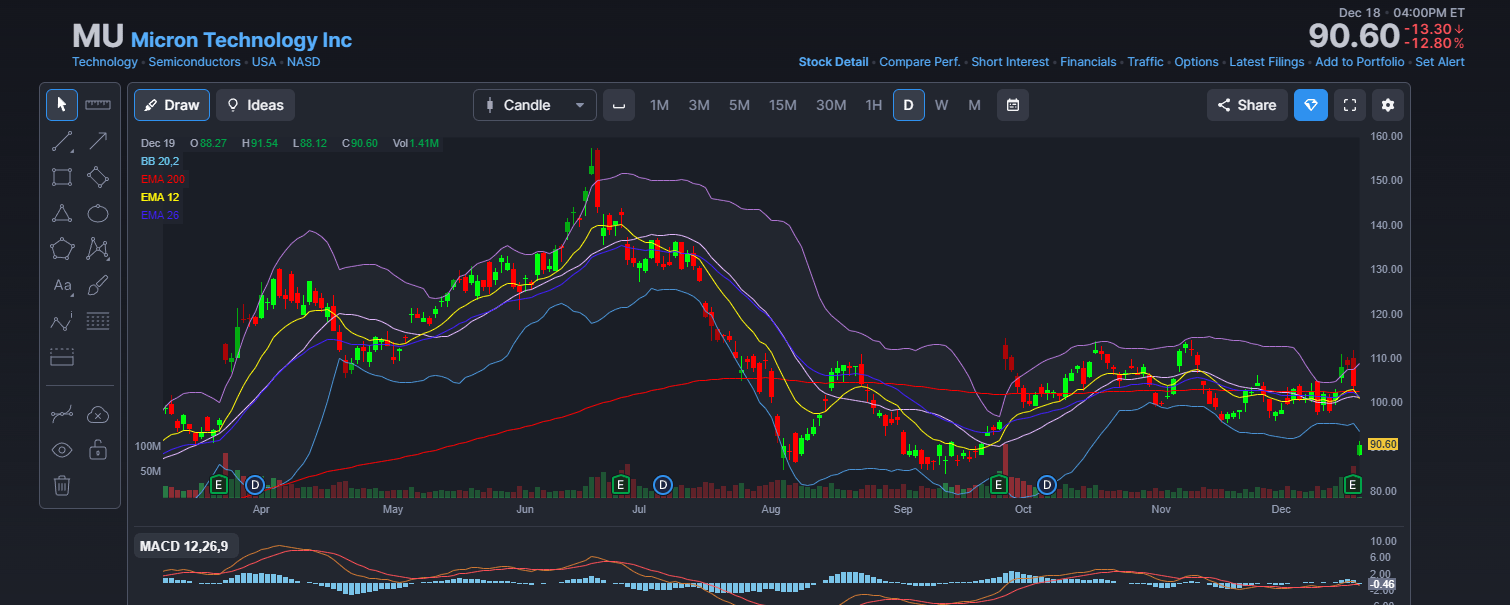
As soon as these words were spoken, the market plunged. By the close of trading, the Dow Jones Industrial Average fell by 1,123.03 points, or 2.58%; the S&P 500 Index fell by 178.45 points, or 2.95%; and the Nasdaq Composite Index fell by 716.37 points, or 3.56%. The U.S. dollar soared, and the price of gold also dropped below the $2,600 mark all the way.
Under the hawkish rate cut, what should investors do?
In fact, considering the current overall inflation and employment situation, I think the Federal Reserve's path of rate cuts will just be slower, rather than coming to an end.
This is enough to cause panic, but this panic is dangerous yet not fatal.
I think investors actually had certain expectations for this "hawkish rate cut", so I believe that after a brief pullback, the U.S. stock market will still welcome the "Santa Claus rally". Investors don't need to scare themselves too much.