
Boeing in Trouble Again? Boeing's Pre-market Shares Drop 4% After Fatal South Korean Air Crash

Magical Investor
December 30, 2024
GoGPT Summarizes Articles
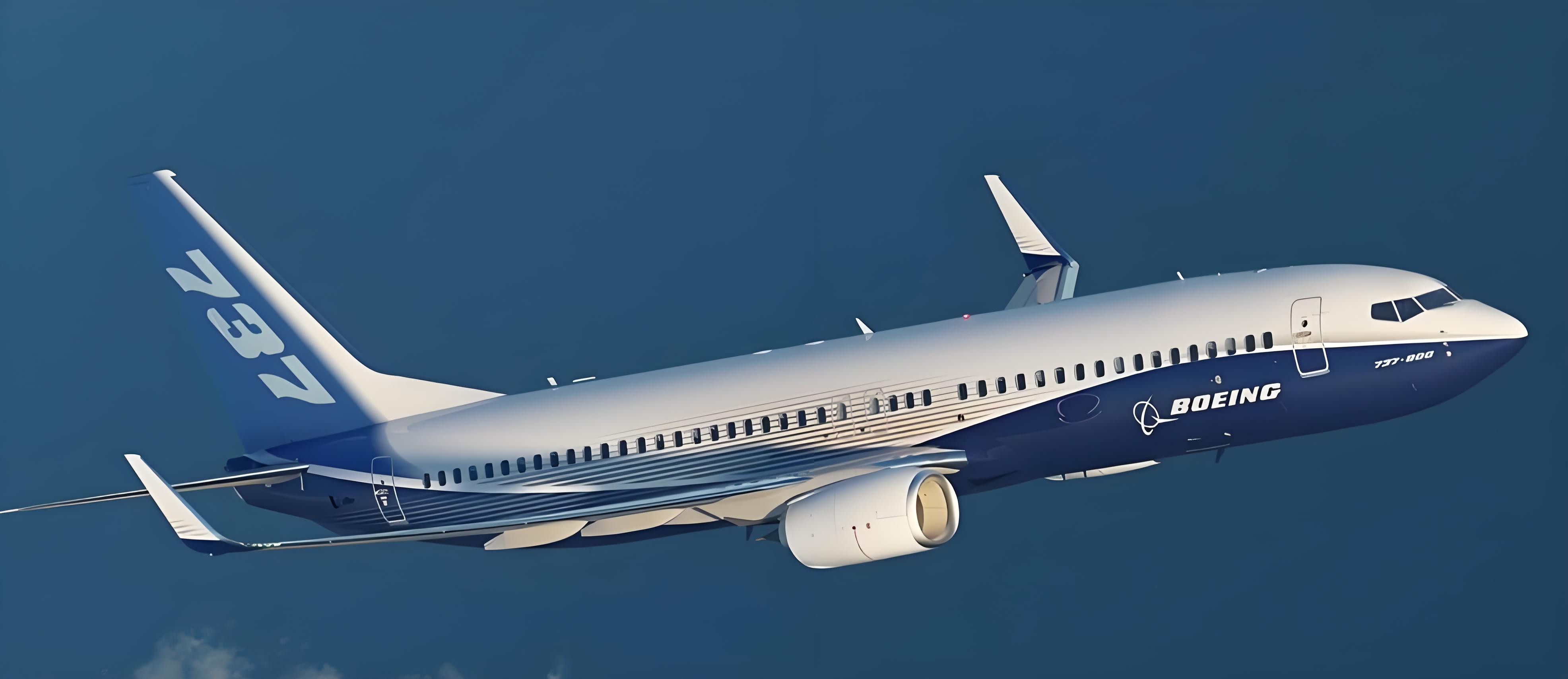
Before we delve into the content of this article, let us take a moment to offer our deepest condolences to those who lost their lives in the recent tragic air crash in South Korea.
On December 29th, a Boeing 737-800 passenger plane tragically veered off the runway and exploded while attempting to land at Muan Airport in South Jeolla Province, South Korea.
The recurrence of such incidents involving Boeing aircraft has investors and industry observers questioning the reasons behind these troubling trends
Boeing, historically renowned for its engineering excellence, has faced significant challenges since 2018. The tragic crashes of two Boeing 737 Max 8 aircraft in Indonesia and Ethiopia in 2018 and 2019, claiming 346 lives, have cast a shadow over the company's once stellar reputation.
The Boeing 737 series, including the 737-800, has a storied history as a best-selling commercial aircraft. However, recent events have highlighted deep-seated issues within the company that are cause for concern.
Investors and stakeholders in the aviation industry are closely monitoring these developments, especially given the recent landing gear incidents involving the Boeing 737-800. These incidents underscore the importance of safety and reliability in the aviation sector and raise questions about Boeing's ability to address ongoing challenges.
Most people in the market now believe that Boeing subcontracts a large amount of manufacturing work but fails to provide sufficient quality and technical support to suppliers, resulting in uneven overall fuselage quality and frequent problems.
There are also viewpoints that after Boeing acquired McDonnell Douglas, its domestic old rival in the United States, it abandoned its own engineer - centric culture and over - emphasized financialization.
Furthermore, industry insiders point out that the significant reduction in R & D and manufacturing costs has further exacerbated Boeing's quality problems.
With a premarket drop of over 4%, what will happen to Boeing, which is already in a quagmire?
Just before the US stock market opened, Boeing's share price dropped by more than 4%.
When talking about Boeing's future, I'd like to mention one thing first.
So far, two Boeing whistleblowers have died one after another.
The first one is John Barnett, one of the earliest whistleblowers in this round of Boeing's crisis. In March this year, John was reported to have "committed suicide".
John Barnett worked for Boeing for 32 years.
After retiring in 2017, John Barnett initiated a lawsuit against Boeing and began to give public interviews warning of the production safety hazards of Boeing.
As early as November 2020, Barnett warned during an interview about the problems that the 787 model would have in the next two to three years.
The lawsuit case of John Barnett against Boeing finally made progress this year. The court was originally scheduled to summon witnesses to hear more evidence on March 9, 2024. But on the eve of the court appearance, John Barnett died in his pickup truck in the hotel parking lot on March 9. The autopsy result was that he died from a self - inflicted gunshot wound.
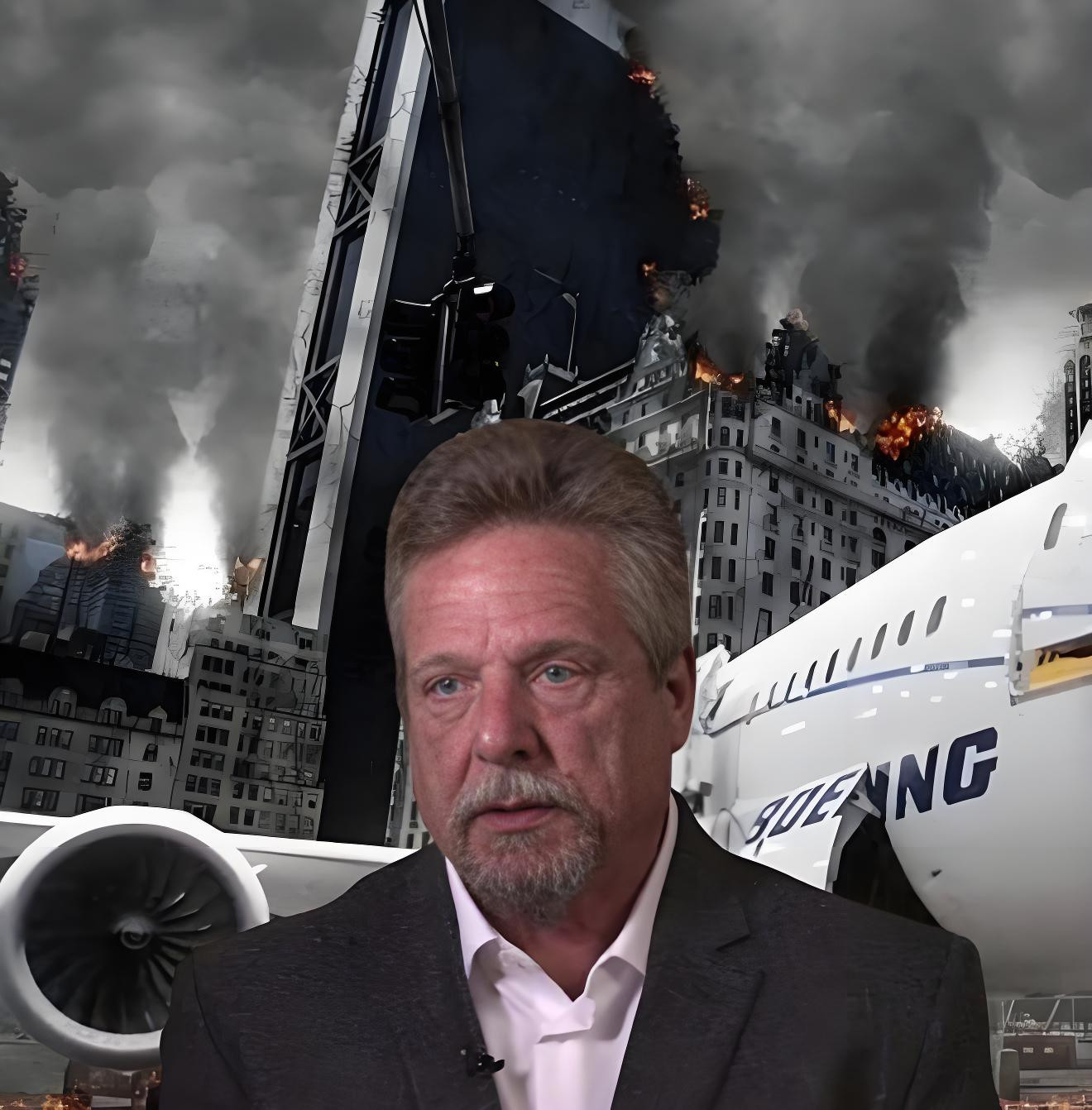
Not long after, the second whistleblower, 45 - year - old Joshua Dean, passed away. He was one of the first people to discover potential safety defects in the Boeing 737 Max at Spirit AeroSystems, a supplier spun off from Boeing.
Dean believed that he was fired by the company because he discovered mis - drilled holes on the aircraft fuselage.
Before his death, Dean had filed a complaint with the US Department of Labor, but the complaint result had not come out yet. One day, Dean, who had always been in good health, suddenly said he had difficulty breathing and needed to be rushed to the hospital for emergency treatment. Finally, he was diagnosed with a fatal bacterial lung infection and died two weeks later.
The deaths of these two whistleblowers have made the outside world feel increasingly fearful and distrustful of Boeing's corporate culture.
Let's take a look at Boeing's financial reports. The numbers are deeply worrying.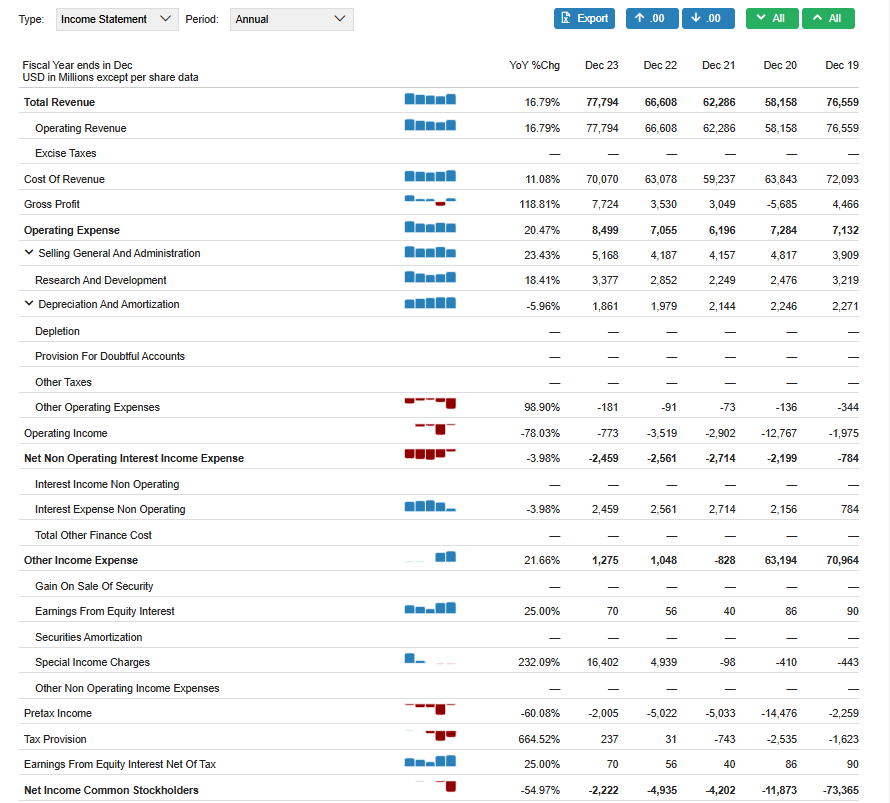
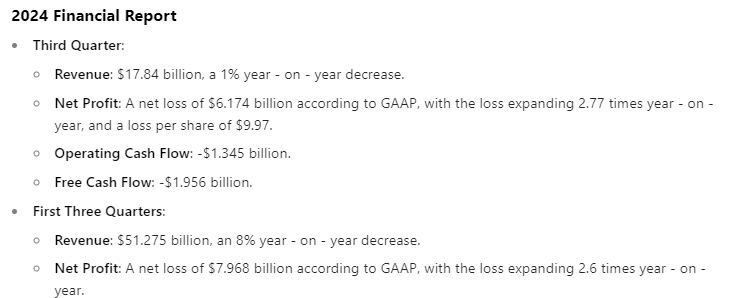
In the third quarter of 2024, the company achieved revenue of $17.84 billion, a 1% year - on - year decrease; and a net loss of $6.174 billion, with the loss expanding 2.77 times year - on - year, setting the largest loss record since 2020.
In the first three quarters of this year, Boeing's debt - to - asset ratio soared to 1.71, while it was only 1.13 at the end of last year.
The growth rate of liabilities far exceeds that of assets. Among them, long - term liabilities increased from $47.103 billion at the end of 2023 to $53.176 billion, an increase of 12.89%, becoming the main increment of liabilities. The debt pressure is like a mountain bearing down.
Rating agencies such as Moody's, S&P, and Fitch have previously stated that they are considering downgrading Boeing's credit rating. Currently, Boeing's credit rating is BBB -, which is on the verge.
Once the rating is downgraded, Boeing's financing costs will increase significantly, borrowing will become much more difficult, and the risk of a broken capital chain will further intensify, casting a thick shadow over the company's future development.
Okay, from the public's perspective, we have a lot of criticism of Boeing. But finally, let's say a few words for Boeing from its perspective.
In fact, the causes of aviation accidents are interlinked, and Boeing is just one of the links. This is why it takes a long time to find out the causes after an air crash.
Data shows that in all major flight crashes, 80% of the causes are actually human - induced: factors such as airlines' training of pilots, airport scheduling, and aircraft maintenance also determine flight safety.
So while questioning Boeing's safety issues, we shouldn't blindly blame Boeing every time we hear news of problems with its aircraft.
At the same time, the general environment in the past few years has indeed brought great pressure to Boeing.
Especially during the COVID - 19 pandemic, air travel plummeted, and in the post - pandemic period, the aviation industry is still struggling to recover from the turmoil caused by the pandemic.
But it's obvious that Boeing has now been caught in a dangerous crossroads by capital. The new CEO who took office in July this year also seems to have great difficulty pulling Boeing out of this quagmire.
Well, regardless of what happens to Boeing, from my personal point of view, I will probably be cautious when choosing Boeing aircraft for my future travels. This may become my prejudice.