
Trump's Policies Emphasized Tax Cuts and Tariff Hikes, to Which Fed Officer Said Trump's Policies Increase Inflation Risks

Go Wire
January 6, 2025
GoGPT Summarizes Articles
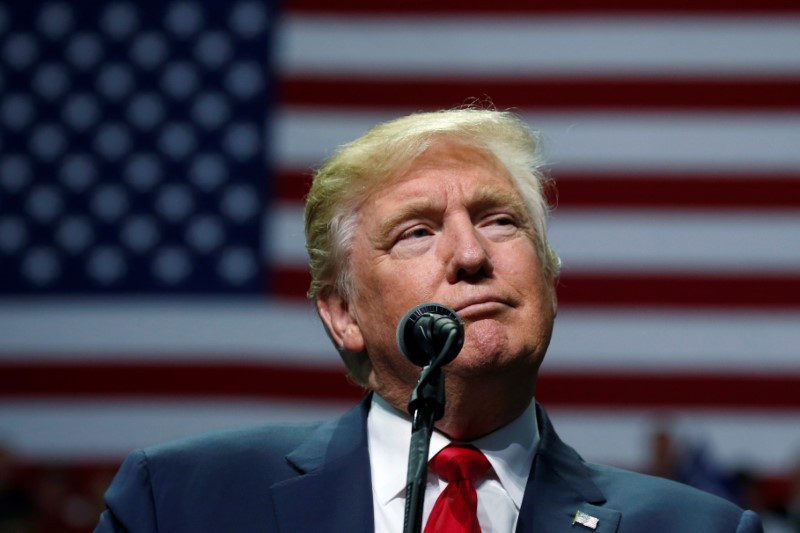
US President-elect Donald Trump posted on his social account around 10 p.m. local time on Jan. 5 (11 a.m. on Jan. 6, Singapore time) that the Congress was making a bill targeting the border, energy, and tax cuts. It is allegedly the largest tax cut in US history.
Specifically, Congress was working on a strong bill that must secure America's borders, develop American energy, and update the Trump tax cuts. This would be the largest tax cut ever because it has no tax on tips but acquires more tariffs to make up the loss instead.
Reportedly, the Trump tax cut bill will expire at the end of 2025. Howard Gleckman, senior fellow at the US Tax Policy Center, said the bill will almost certainly be extended. However, Trump could still introduce other tax policies.
Trump has promised additional tax cuts for households and enterprises, including no taxes on tips, overtime pay, and Social Security benefits. However, if the existing tax cuts are extended, wealthy families would be the biggest beneficiaries, according to the analysis.
CICC recently noted that Trump's future policies will be built around two points. One is to control inflation, limit immigration, and cut government spending. The other is a mercantilist strategy, which emphasizes protecting domestic industries and promoting exports through high tariffs. CICC predicted that Trump might implement some tariffs in the second quarter of 2025. Meanwhile, the Republican Party may pass its first fiscal spending cut bill within 100 days of Trump taking office, to reduce expenses of immigration, energy, and defense.
Fed Governor Adriana Kugler commented that the Fed's future monetary policy will be based on upcoming economic data rather than Trump's policies.
Kugler said that the Fed has been only responding to current economic changes. Currently, the U.S. economy is in good shape, with a cooling but still resilient job market.
For the possible impact of Trump's policies on the economy, Kugler said it was difficult to judge the development of events based on the diversity of developing factors.
On Jan. 3, Richmond Fed President Barkin said he wants interest rates to be restrictive for a longer period. Only if core inflation does not exceed 2%, Barkin will ask the FOMC to cut rates. He remains optimistic about this outlook.
Barkin also said that uncertainty should decline as Trump's tariff policy is finalized, with greater risks on the inflation front.
Currently, other central bankers are also closely monitoring Trump's policies and will be cautious about rate cuts.
#fed#trump