
Intel's CES Reveal: New Chips, Bigger Battery Life... but What About Copilot+?

Shearing sheep
January 7, 2025
GoGPT Summarizes Articles
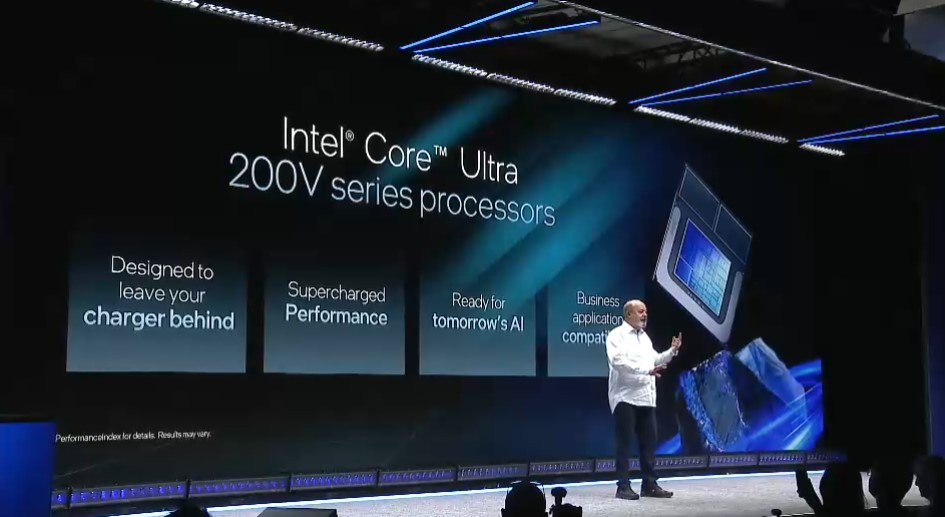
On Monday, January 6th, Intel wrapped up a major announcement at the CES 2025 keynote, unveiling their new Core Ultra chip lineup. From the energy-efficient Core 3 (perfect for light tasks) to the beefier Core Ultra 200H, it's clear Intel's focus is on two key areas: battery life and AI performance. They're promising up to 20 hours of use on a single charge with Microsoft 365—definitely a big win for today's laptop market. But here's the kicker.
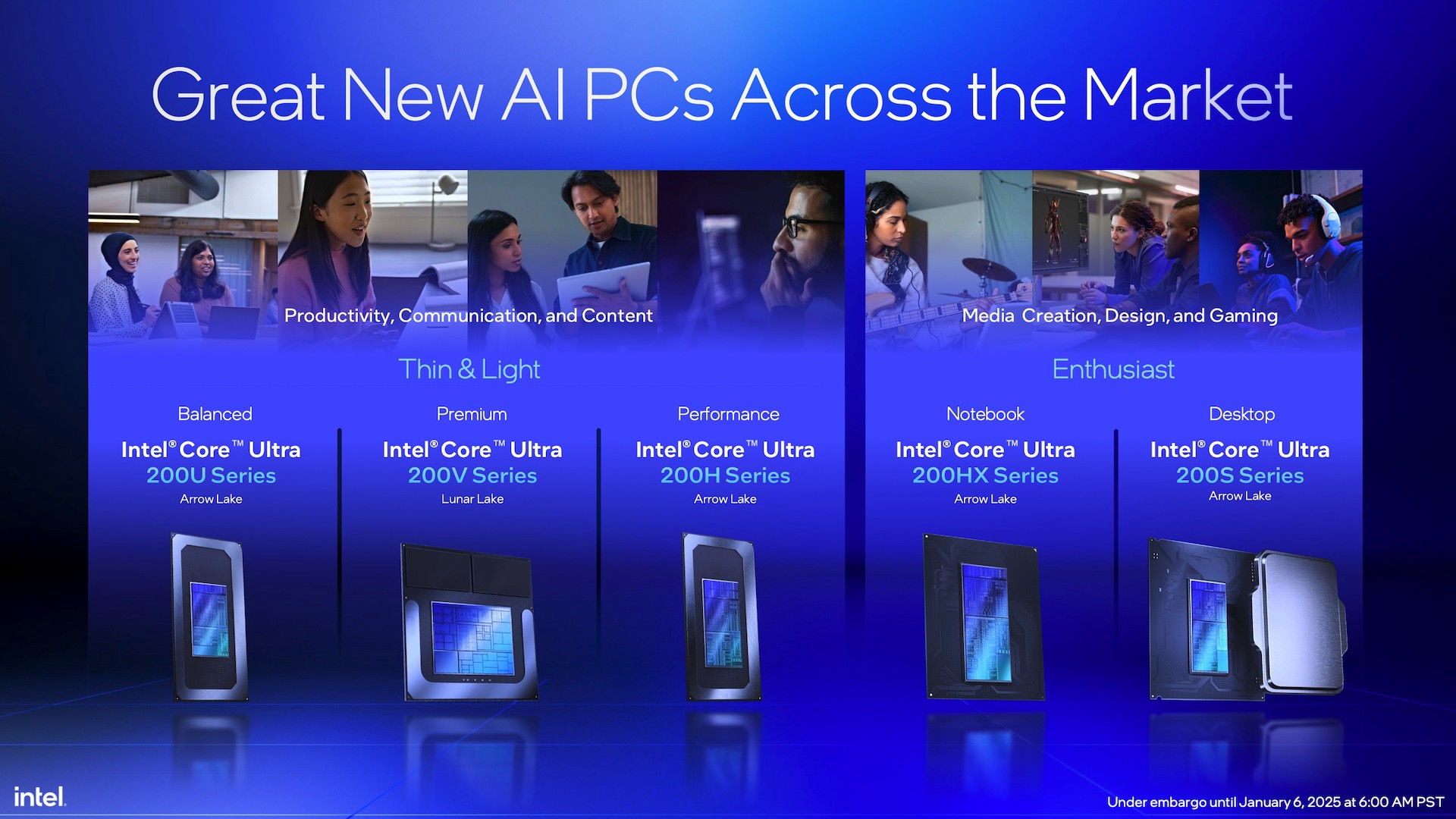
Despite all these impressive specs, most of Intel's new chips won't support Microsoft's Copilot+, and it's all down to architecture. For the tech geeks out there, the majority of these chips run on Arrow Lake, while the more premium Core Ultra 200V series uses Lunar Lake—and only Lunar Lake packs the latest GPU and faster NPU needed to support Copilot+. So, if you're hoping for seamless AI assistance, it looks like you might be out of luck.
Why does this matter? Well, Intel has been on a rocky path. After a tough 2023—filled with delays and missed targets—this CES announcement feels like a major step in their comeback. The big question is: will this new lineup be enough to challenge AMD ($AMD) and Qualcomm ($QCOM) in the battle for performance and battery life? Especially with the growing competition from ARM-based chips, which are quickly gaining ground, Intel has a lot to prove.
This announcement is also Intel's biggest product push since the CEO shuffle. With Pat Gelsinger's exit, it seems like the company is trying to regain its footing. But here's the thing... if most of their new products are still using Arrow Lake, it feels like a cost-cutting decision. Sure, Lunar Lake is pricier, but it has the latest GPU and NPU—everything needed to power the future of AI. Instead, Intel is sticking with an older architecture that doesn't even support key features like Copilot+.
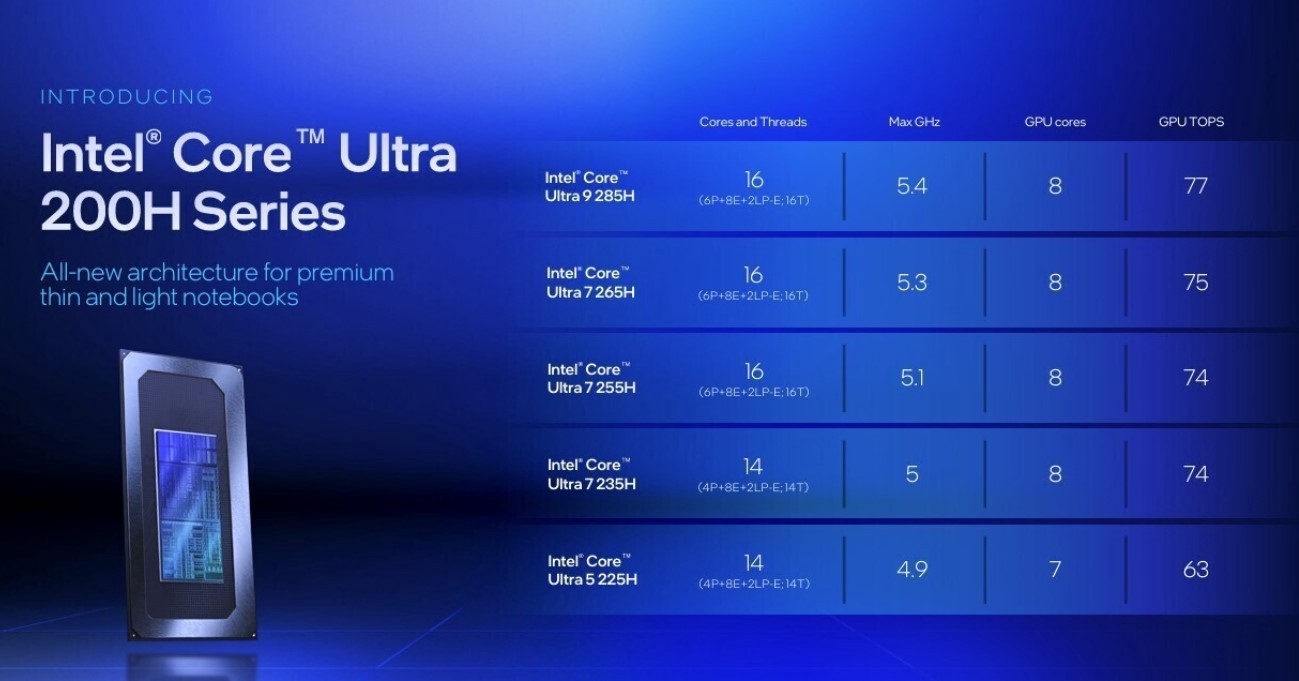
It's not all bad news, though. Some variants, like the Core Ultra 200H, come with Intel's top-tier integrated graphics and AI Boost technology, making them solid for light-to-medium AI tasks. Intel is also pushing for better AI capabilities with features like AI Boost and Neural Processing Units (NPU), which will enhance AI workloads. But for many, missing out on Copilot+—one of the standout features of Windows 11—could be a dealbreaker. You have to wonder if Intel will regret not going all-in on Lunar Lake for a wider range of their chips.
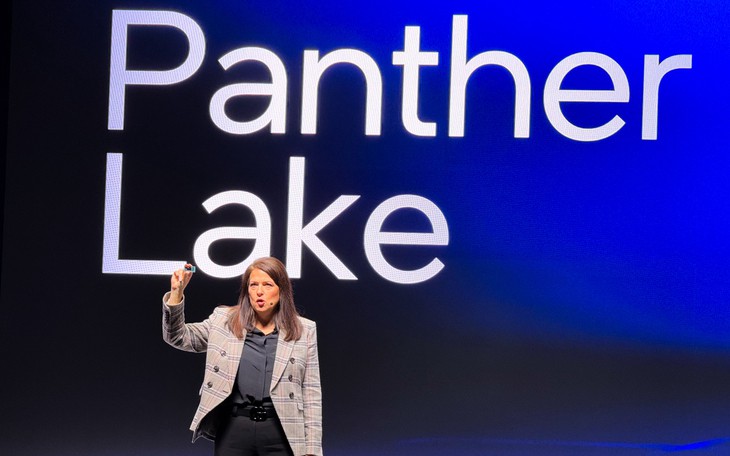
Also, interim CEO Michelle Johnston announced that the first Intel 18A process chip, the Panther Lake processor, will be released in the second half of 2025. Johnston even showed off samples of the Panther Lake chip and mentioned that it’s already in testing, expressing her satisfaction with the 18A process. She stated, "Intel will continue to enhance our AI PC portfolio in 2025 and beyond, offering leading Intel 18A product samples to customers, with mass production slated for the second half of 2025."
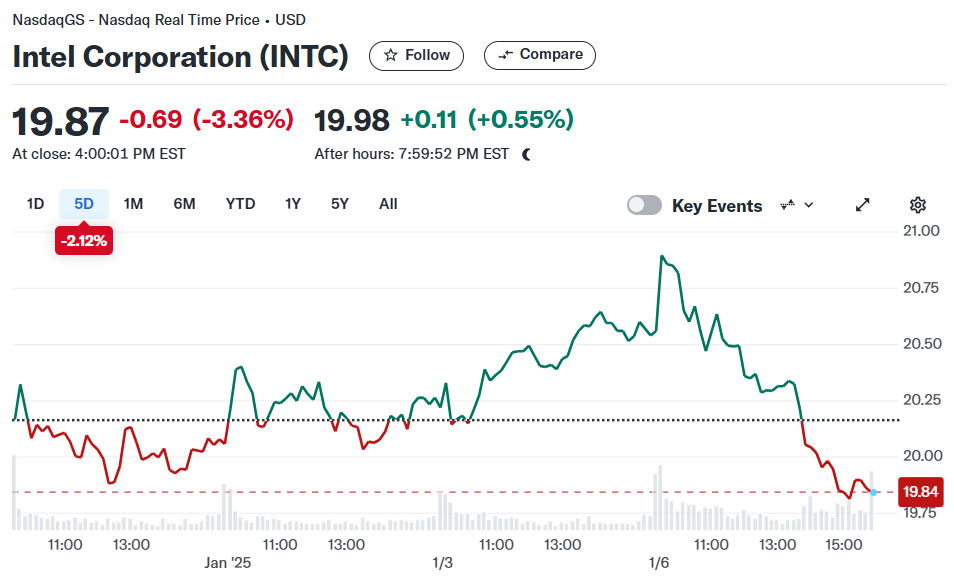
But the real problem is: the stock didn’t respond well to the keynote. Intel ($INTC) dropped 3.36% after the event. So, are investors buying into this comeback story, or is it just another case of “too little, too late”?
What do you think? Are you excited about the battery life improvements and AI performance boosts, or is the lack of Copilot+ support a dealbreaker for you? #intel
#$Advanced Micro Devices(AMD)#$Qualcomm Inc(QCOM)#$Intel Corp(INTC)