
Trump's Tariffs Could Lead to Bigger Price Hikes for Consumer Electronics Than Expected

Shearing sheep
January 10, 2025
GoGPT Summarizes Articles
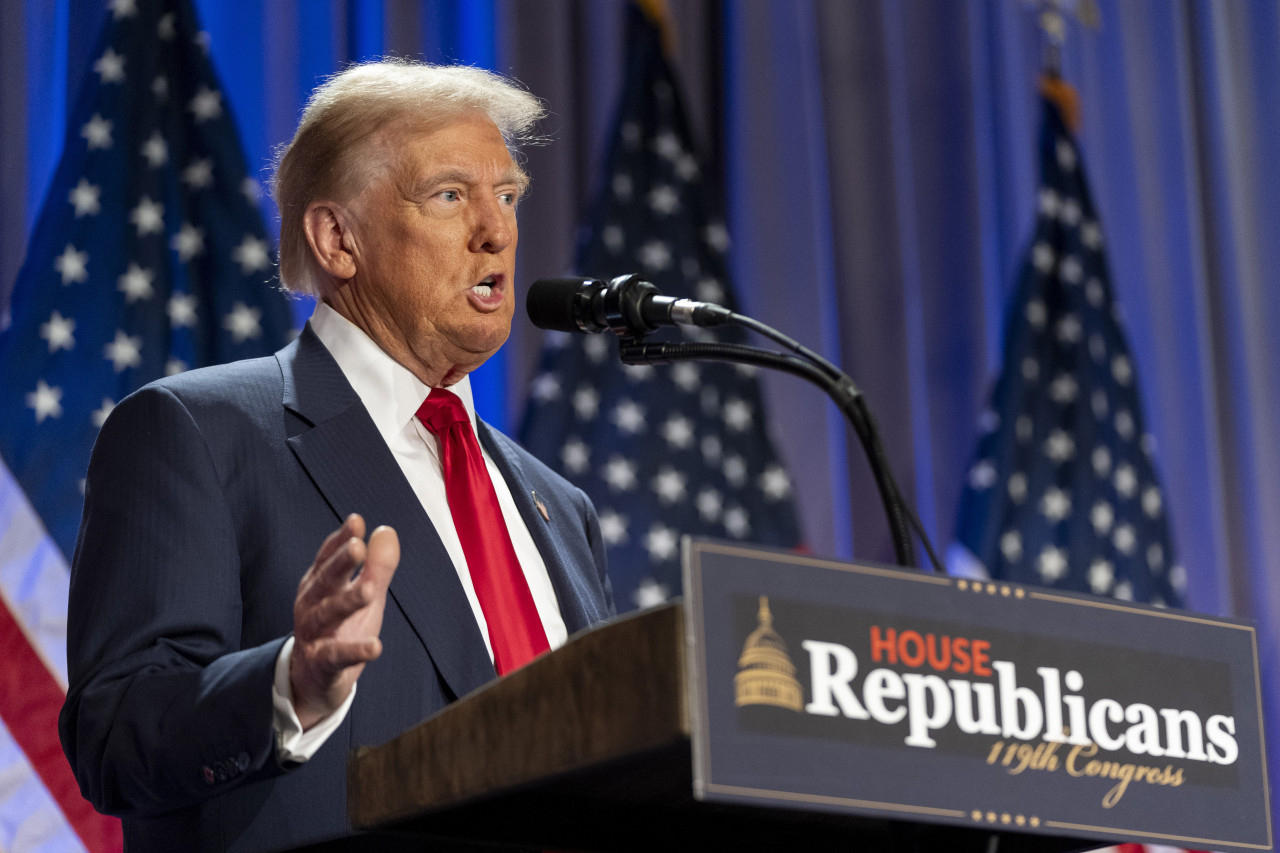
Hey everyone, so as CES wraps up in Las Vegas, there's been a lot of buzz around the latest gadgets and innovations. But one thing that's been flying under the radar amid all the excitement is the looming shadow of tariffs. Yep, those tariffs we've been hearing about for a while now. The Consumer Technology Association (CTA) just dropped a pretty grim report warning that President Trump's proposed tariffs could jack up prices for consumer electronics in a way that might actually surprise some of us. And we're not talking about a small hike—these are serious price jumps.
The CTA's report outlines two main scenarios for the tariffs Trump has suggested: One involves a 10% tariff on all imports plus an additional 60% on Chinese goods, while the other is a more drastic approach with 20% tariffs across the board and a 100% tariff on Chinese-made products. So, what's the impact? According to the CTA, these tariffs could drive prices up way more than anticipated. Laptops and tablets could see a 46%-68% price increase, videogame consoles could jump by 40%-58%, and smartphones might go up by 26%-37%.
Imagine paying nearly $200 more for your next phone. This means companies like Apple ($AAPL) will likely be forced to raise prices to avoid a significant hit to their profit margins—unless, of course, they get tariff exemptions, like they did under the previous Trump administration. Alphabet Inc. ($GOOGL) has already moved much of its Google Pixel production to India, but even with that shift, importing those products from other countries would still be subject to 10%-20% tariffs. CTA points out that smartphones are currently imported into the U.S. duty-free, and no smartphones are made domestically.
The PC Industry: A Tough Spot
The PC industry is also about to feel the heat with significant price increases. Laptops could face price hikes that are even worse than smartphones—$357 more per unit under the 10%/70% tariff scenario. Just when companies like Microsoft ($MSFT) are trying to boost sales with AI-powered PCs (like Microsoft's Copilot), these new tariffs could make it even harder for consumers to buy into the premium segment. Many of the announcements from chipmakers like Intel ($INTC), AMD ($AMD), and Qualcomm ($QCOM) at CES have focused on how many PC makers are embedding their chips in new AI-driven computers. But if the price of those devices spikes, will consumers still be willing to pay up?
Tablets are no exception. The CTA predicts a price increase of around $201 for tablets, which could hurt companies like HP Inc. ($HPQ) and Dell Technologies ($DELL), which often battle over price in the competitive PC market. If these predictions hold true, these companies might have to either swallow these costs and suffer deep margin cuts or raise prices by nearly 50% to offset the tariffs. The desktop PC market may be a little less affected, with price hikes expected to be around 7%, or roughly $70 per unit.
The Bigger Picture for Consumers and Companies
For these tech companies, they're going to either take a massive hit to their margins or pass these costs on to the consumer. And let's be honest, the latter seems way more likely. The CTA also predicts that U.S. consumers will bear a significant burden, with spending power potentially dropping by anywhere from $90 billion to $143 billion annually due to these price hikes.
What's even more concerning is that if these tariffs are implemented, reshoring U.S. manufacturing won't exactly be the fix everyone expects. The CTA argues that reshoring isn't feasible, and that even if companies move production away from China, we'll still face higher prices on tech products because the new manufacturing locations will still be subject to tariffs. So, you might not even get the benefit of more American-made tech.
What Happens Next?
Now, I'm not saying all of this is a done deal. Trump might walk back some of these tariffs or offer exemptions like he did last time. But if the CTA's predictions hold true, these price hikes could be bad news for everyone, especially consumers who are already feeling the pinch from inflation.
What do you all think? Do you think these tariffs are a necessary move for the U.S., or are they just going to hurt the average consumer? #trump
#$Apple Inc.(AAPL)#$Alphabet Inc. Class A Common Stock(GOOGL)#$Microsoft Corp(MSFT)#$Intel Corp(INTC)#$Advanced Micro Devices(AMD)#$Qualcomm Inc(QCOM)#$HP Inc.(HPQ)#$Dell Technologies Inc.(DELL)#trump