
Trump’s 20% Tariff Plan: Bold or Risky Strategy for U.S. Economic Growth?

Shearing sheep
January 13, 2025
GoGPT Summarizes Articles
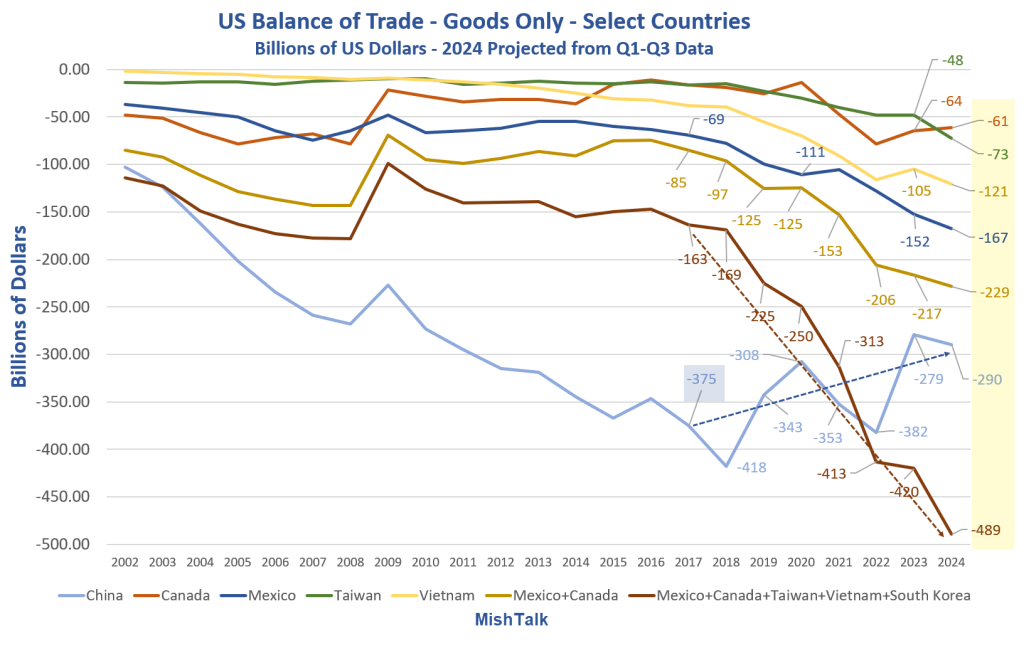
Trump has tapped Stephen Miran to chair his Council of Economic Advisers, and this guy has some bold ideas. Miran, in a recent report, makes the case for a hefty 20% tariff on imports—and even suggests that 50% might not be out of the question. Why? According to Miran, tariffs could actually make the U.S. richer by tackling the trade deficit and overvalued dollar.
Miran’s theory rests on the concept of "optimal tariffs," where a country could theoretically impose tariffs without hurting consumers. In a perfect world, a dominant buyer (like the U.S.) could slap a tariff on imports, but the price stays the same because the exporter lowers their prices to avoid losing market share. Sounds pretty sweet, right? He cites research suggesting that a 20% tariff might actually improve the U.S. economy. In fact, it could go as high as 50% without causing much harm.
But, as we know, the real world is far more complicated. In theory, imposing tariffs could help reduce the trade deficit with some countries, but at what cost? The real issue lies deeper than just the trade balance. As Miran points out, the U.S. dollar is overvalued, and that has been a long-standing issue. Raising tariffs on goods doesn’t exactly fix the underlying problem—it just masks it.
The root cause of the U.S. trade deficit is tied to broader fiscal and monetary policies, especially since Nixon ended the gold standard. Since then, the U.S. has run massive fiscal deficits while the world continues to accept the dollar as the global reserve currency. This "exorbitant privilege" has allowed the U.S. to inflate its way out of economic problems, but it has also put global manufacturing at a disadvantage.
Miran’s suggestion that the U.S. could simply "weaken the dollar" to complement tariffs sounds like a quick fix—but it’s a risky move. We’ve seen what happens when countries manipulate currencies—just look at the fallout from the Plaza Accord in 1985. The dollar did weaken, but it also triggered unintended consequences that took years to fully unfold. And while Miran’s theory assumes that tariffs can be imposed without harm, history shows that trade wars tend to escalate—especially when other countries retaliate. The U.S. might not come out on top if major trading partners like China, Canada, Mexico, or the EU decide to push back.
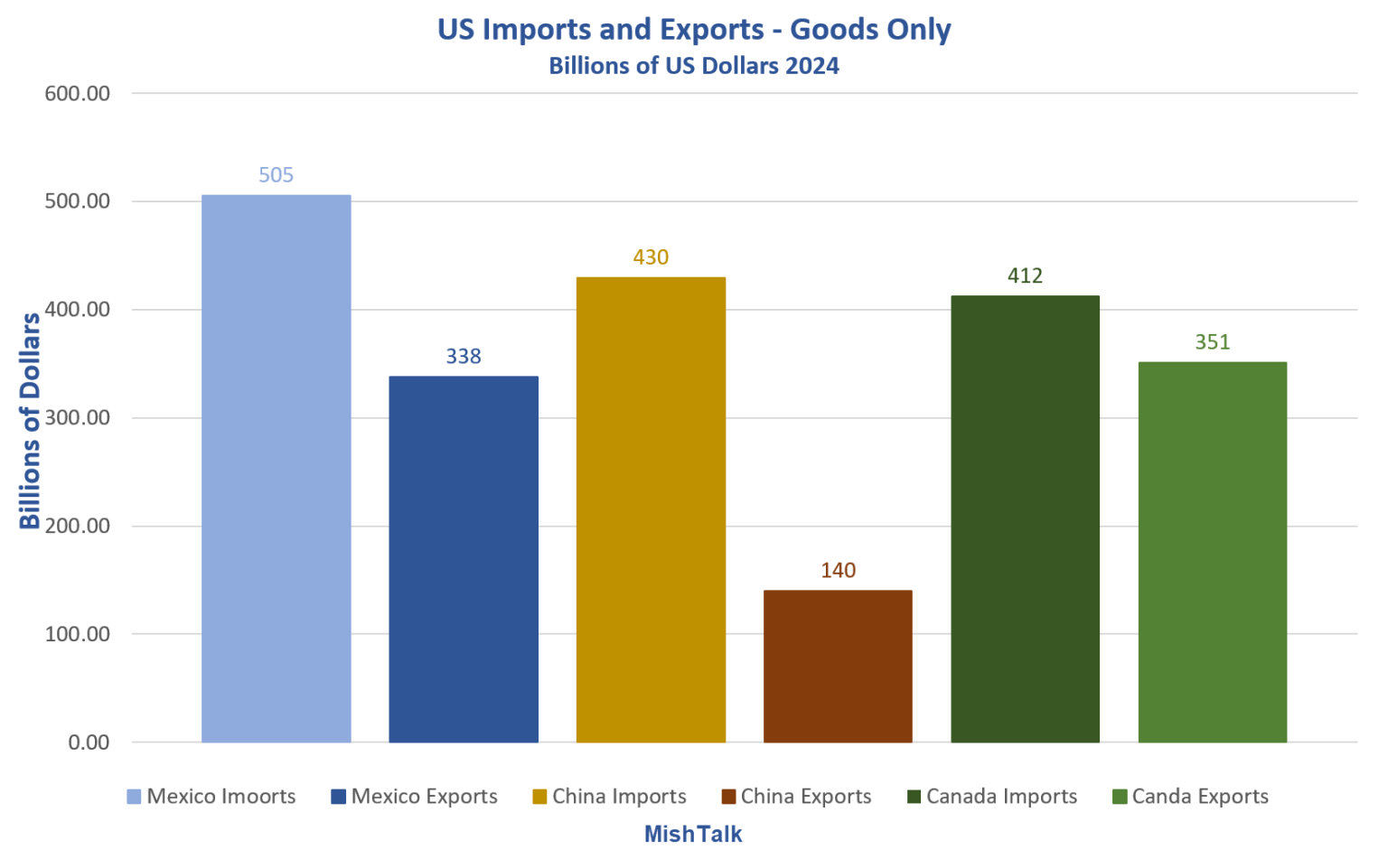
Take the rare earth minerals market, for example. China controls a significant portion of the supply of these critical materials. If tariffs on China’s goods are raised too much, China could easily retaliate by restricting exports of these essential resources. That could create a supply chain nightmare for industries that rely on these materials—from tech companies to military defense contractors. It’s a powder keg waiting to explode.
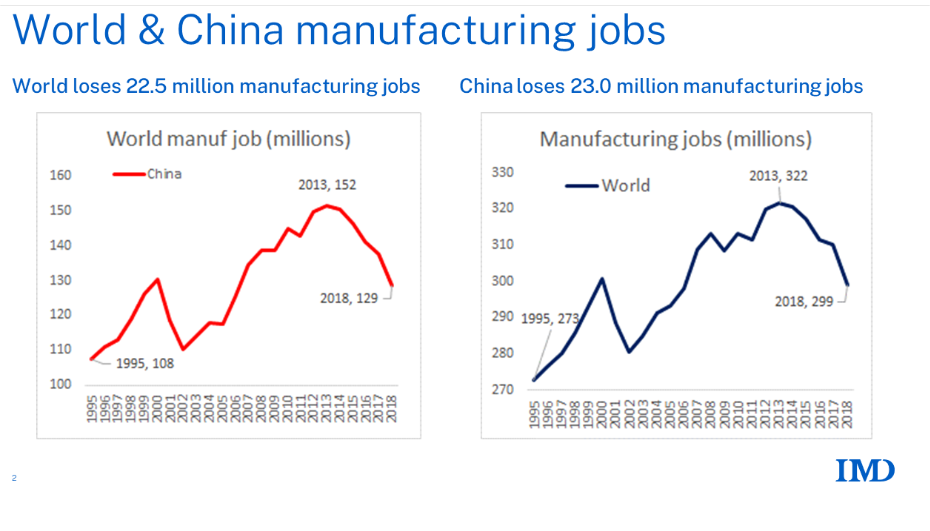
I can’t help but think that Miran’s focus on tariffs as a solution misses the bigger picture. Automation and productivity improvements are causing manufacturing jobs to disappear, not just in the U.S. or China, but worldwide. These structural shifts are much more powerful forces than trade policies could hope to overcome.
While tariffs might offer a short-term boost or some leverage in negotiations, they’re unlikely to solve the U.S.'s long-term economic challenges. If we want to tackle issues like the trade deficit or a weakening manufacturing base, we need a more comprehensive approach—one that focuses on innovation, investment in technology, and a realignment of fiscal policies. Tariffs alone won’t cut it. In fact, his report acknowledges the high risk that they won’t: “There is a path by which these policies can be implemented without material adverse consequences, but it is narrow.”
At the end of the day, I think Miran’s proposal seems to be less about fixing structural economic issues and more about telling Trump what he wants to hear. Tariffs alone won’t solve the problems of overvaluation or trade imbalances. What we need is a more nuanced approach that accounts for the complexities of global trade and the changing dynamics of manufacturing. It’s easy to throw around the idea of tariffs as a solution, but the reality is far more complicated.
What do you think? #trump
#trump