
Trump's Energy Overhaul: What Could It Mean for the Markets?

Shearing sheep
January 15, 2025
GoGPT Summarizes Articles
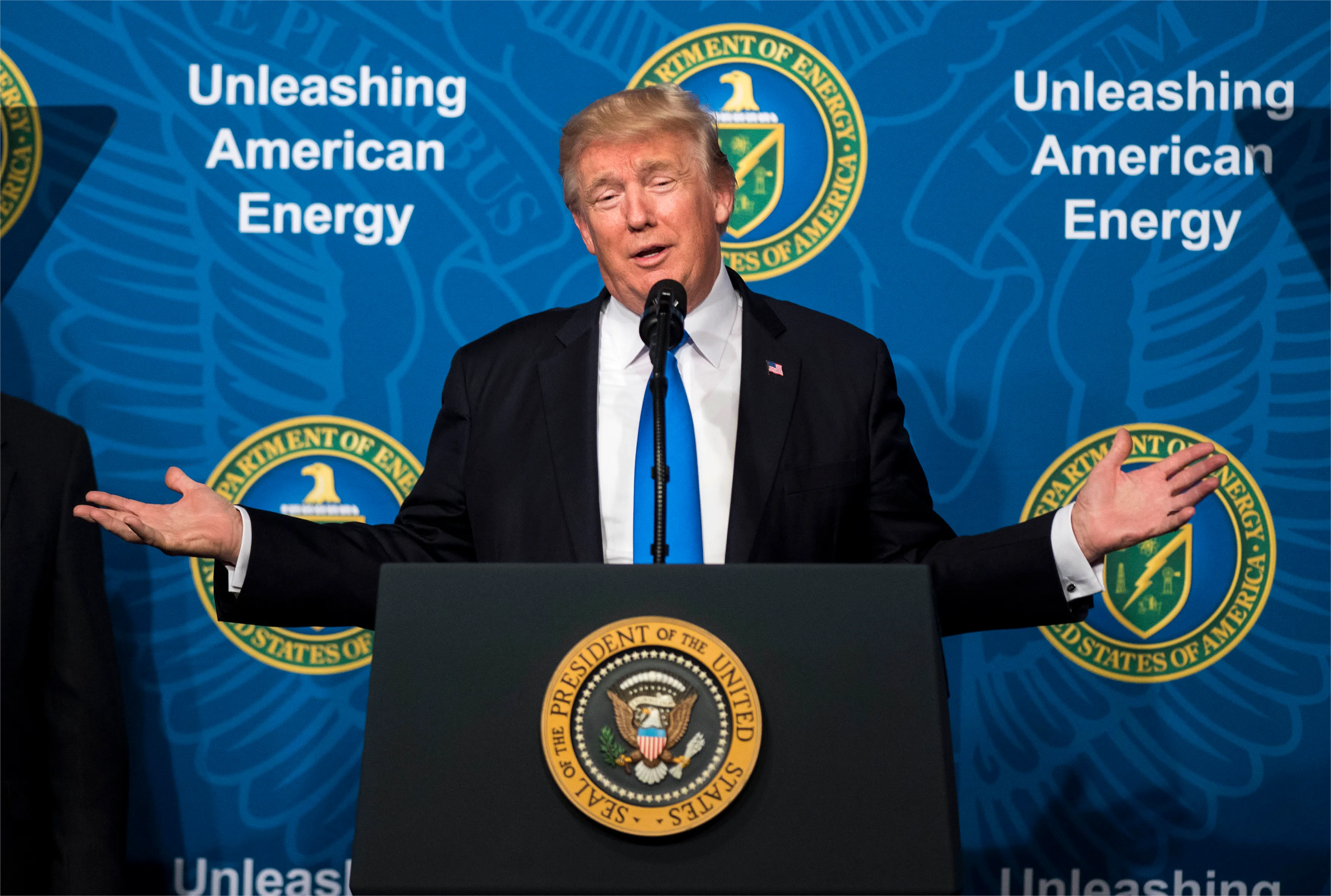
As we prepare for Trump’s return to the White House, one thing’s for sure: energy policy is about to take a sharp turn. The former president’s energy plans are already coming into focus, and it looks like fossil fuels are back at the top of the agenda. But is this a step forward—or a step backward for the U.S. economy and the environment? Let’s dive into the details and see what this could mean for energy, markets, and the country’s future.
Energy Dominance: Trump’s Key Priority
Trump’s vision of “Energy-dominance” is set to dominate his first days in office. He plans to issue a series of executive orders that will dramatically reshape U.S. energy policy, with a strong emphasis on oil and natural gas. The goal? To make the U.S. a global energy powerhouse once again. During his campaign, Trump strongly supported fracking in Pennsylvania and highlighted his opposition to Biden’s electric vehicle (EV) policies, particularly in Michigan—home to America’s auto industry.
Industry lobbyists are already praising Trump’s plan, anticipating that he’ll direct federal institutions to roll back Biden’s restrictions on offshore drilling and federal land drilling. This would open up vast areas of land and water to oil and gas exploration, especially in regions that have been locked down by the Biden administration. Biden’s offshore drilling restrictions—which cover about 0.625 billion acres along the East and West coasts, plus parts of Alaska—could soon be history, despite likely legal challenges ahead.
Offshore Drilling: The Big Move
One of Trump’s most anticipated moves is the reversal of Biden’s ban on offshore drilling. While Biden argued these restrictions were necessary to protect marine ecosystems and local economies reliant on fisheries and tourism, Trump views them as an obstacle to energy independence. Industry insiders believe lifting these bans will encourage more investment in U.S. energy production, potentially boosting oil prices and creating thousands of jobs in drilling and related industries.
That said, legal hurdles will remain. When Trump tried to open drilling in the Arctic in 2019, a federal judge ruled that he needed congressional approval. However, with Republicans in control of both chambers of Congress, this may be an easier battle to win in 2025.
Natural Gas Exports: Paving the Way for LNG
Another key element of Trump’s energy strategy is his focus on natural gas exports. Under Biden, the approval process for new Liquefied Natural Gas (LNG) export projects has been frozen. Trump plans to lift this freeze, potentially unlocking major new projects that could position the U.S. as a dominant player in the global natural gas market. This move is seen as a big win by oil and gas lobbyists, many of whom have been urging Trump to end Biden’s LNG suspension, which could help lower domestic energy costs and bolster U.S. energy security.
Electric Vehicles: A Step Back for Green Tech?
Perhaps the most controversial part of Trump’s energy strategy is his stance on electric vehicles. During his first term, Trump was a vocal opponent of Biden’s push for EVs, and now, he plans to undo much of it. Biden’s stricter emission standards and corporate average fuel economy (CAFE) regulations—aimed at reducing the number of gasoline-powered cars on the road—are in Trump’s crosshairs.
Trump has repeatedly argued that Biden’s green agenda would "declare the death of the American auto industry," a sentiment that resonated strongly in Michigan, where he campaigned against the push for electric vehicles. Now, he’s set to weaken emission regulations and potentially revoke the waiver granted to California, which allows the state to ban gasoline-powered vehicles by 2035. This would delay the U.S. transition to EVs and ensure that the U.S. car market remains reliant on gasoline for the foreseeable future.
Paris Climate Accord: Round Two
Another major energy-related move is Trump’s expected pullout from the Paris Climate Accord—again. After Biden rejoined the agreement in 2021, Trump is expected to immediately exit the deal once he’s back in office. This would mark a dramatic shift away from global climate cooperation, with a renewed focus on national energy interests, particularly fossil fuels. While this move will likely please Trump’s oil industry backers, it could put the U.S. at odds with international climate goals and spark new debates about the country’s role in global environmental issues.
The Market Impact: What to Expect?
The big question for investors: How will all this play out in the markets? On one hand, the decision to open up more drilling and ramp up oil and gas exports could benefit major oil and gas companies. Stocks in companies like ExxonMobil ($XOM), Chevron ($CVX), and other industry giants could see a significant boost as drilling restrictions ease. The natural gas sector could also see fresh investment as LNG projects are fast-tracked.
However, this energy policy shift isn’t all sunshine and rainbows. The impact on the EV industry could be mixed. While traditional automakers may benefit from loosened emission rules, EV manufacturers like Tesla ($TSLA) could face significant headwinds if federal incentives for electric cars are reduced. Investors will need to closely monitor the evolving regulatory landscape to gauge whether EV growth in the U.S. will slow or simply shift to other regions.
Is This the Right Direction?
In the short term, Trump’s energy policies will likely boost domestic oil and gas production, lower energy prices, and create jobs in the fossil fuel sector. But what’s the long-term impact? Critics argue these policies could stall the transition to renewable energy sources and make it harder for the U.S. to meet future climate targets. There’s also the question of how long-term environmental degradation and dependence on fossil fuels will affect future generations.
Personally, I’m all for energy independence and reducing reliance on foreign oil. But I can’t help but wonder: Are we setting ourselves up for another boom-and-bust cycle in oil, or are we simply kicking the can down the road on sustainable energy? What happens when oil prices inevitably fluctuate, and the world starts demanding more climate action? This strategy could pay off in the short term, but what about the future?
What do you think?
#Trump Policy in 2025: Here's What to Expect#$Exxon Mobil Corporation(XOM)#$Chevron Corporation(CVX)#$Tesla Inc. Common Stock(TSLA)