
After the Israel-Hamas Ceasefire: What Lies Ahead for the Global Economy

Go Wire
January 17, 2025
GoGPT Summarizes Articles
On the evening of the 15th, Qatar’s Prime Minister and Foreign Minister Mohammed announced that Israel and Hamas had reached a ceasefire agreement for Gaza. The mediation efforts of Qatar, Egypt, and the U.S. resulted in a deal on ceasefire and detainee exchanges. The first phase will start on January 19, with Hamas releasing 33 detainees in exchange for Palestinian prisoners. Further details of subsequent phases will follow after the first phase concludes.
U.S. President Biden confirmed the agreement in a speech, outlining the three-phase ceasefire. In phase one, a 42-day ceasefire will be implemented, with Israeli forces withdrawing from Gaza's densely populated areas and Hamas releasing detainees, including U.S. citizens. Israel will free hundreds of Palestinian prisoners, and humanitarian aid will be allowed into Gaza. Phase two involves negotiations for a permanent ceasefire, while phase three includes the return of deceased detainees' remains and the start of Gaza's reconstruction.
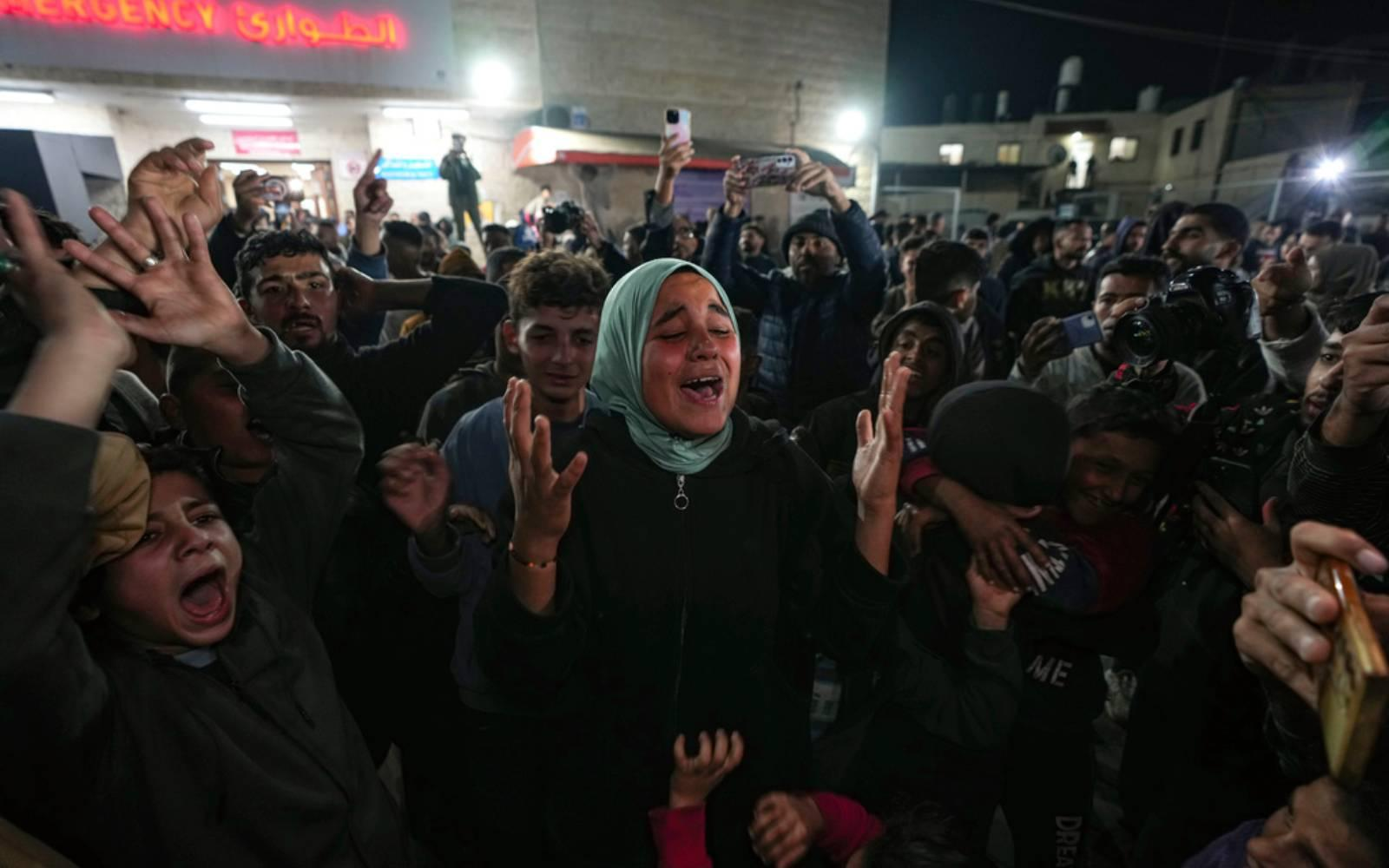
Israeli Foreign Minister Eli Cohen stated that Israel’s security cabinet would vote on the agreement on the 16th. President Herzog urged approval. Hamas official Khalil al-Hayya called the ceasefire “historic,” signaling a new phase of reconstruction for Gaza.
Last year, UN Secretary-General Guterres urged both sides to restart talks and seek a ceasefire, highlighting its importance for both humanitarian and global economic stability. Capital Economics’ David Oxley and Simon MacAdam expressed skepticism about the ceasefire being a major shift for global monetary policy, although it may impact the region.
Energy analysts suggest the ceasefire could stabilize oil prices, alleviating supply chain bottlenecks caused by the conflict. The ceasefire may also reduce market volatility driven by geopolitical risks, potentially restoring investor confidence in the Middle East and emerging markets. Analysts believe the ceasefire could pave the way for political stability in the region, depending on whether fundamental issues are resolved. The long-term success of the agreement will rely on international support.