
Trump's Davos Speech: Pressing Oil Prices, Lower Interest Rates, and a Tariff War — Will It Work?

Shearing sheep
January 24, 2025
GoGPT Summarizes Articles
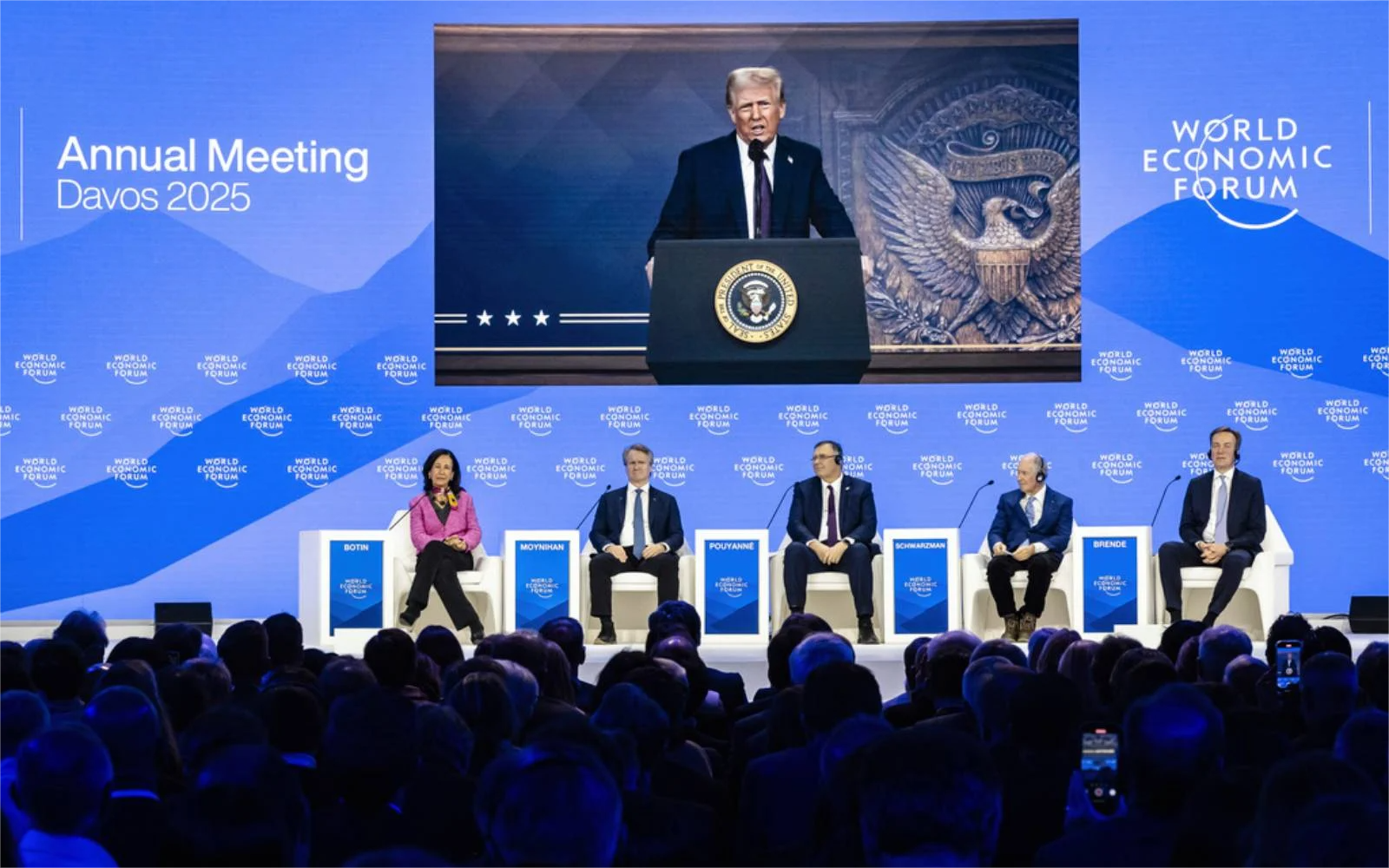
On Thursday, Trump delivered a classic Trump speech at Davos. To say it’s a mix of bold economic proposals, geopolitical commentary, and straight-up opinionated takes would be an understatement.
Trump aims to pressure oil prices down, cut interest rates, and roll out tariffs to push more manufacturing back to the U.S. His message to OPEC and Saudi Arabia is clear: lower oil prices now, or face the consequences. He claims dropping oil prices could end the Russia-Ukraine conflict overnight. Bold, but is it realistic?
Let’s break this down.
The Oil Play: Lower Prices to End War?
Trump argued that high oil prices are fueling the Russia-Ukraine war, stating, “If the price came down, the Russia-Ukraine war would end immediately.”
The idea is simple: lower oil prices, and Russia loses the funding for its military efforts. OPEC, and especially Saudi Arabia, have the power to influence those prices, so Trump’s calling them out to do just that.
But here’s the catch: oil is a global commodity, and even if Saudi Arabia and OPEC decide to lower prices, it doesn’t guarantee an end to the war. There are far more geopolitical factors at play here than just oil prices. So, while lowering oil prices might ease some global tensions, it’s not the magic fix Trump thinks it is.
Still, the logic behind his argument has some merit. If oil prices drop, it could help curb inflation a bit, which would be a win for the global economy. But the whole “price drop = peace” equation? That’s a bit too optimistic.
Interest Rates: Cutting the Cost of Borrowing
Next, Trump went after interest rates. He said, “I’ll demand that interest rates drop immediately... and likewise, they should be dropping all over the world. Interest rates should follow us all over.”
Interest rates have been a hot topic lately. There was a full percentage point of cuts in the last four months of 2024. Currently, they are targeted in a range between 4.25%-4.5%. Markets are assigning virtually no chance that the Fed will lower its benchmark borrowing rate further.
According to CME Group data, traders are pricing in the first rate reduction likely coming in June, with about a 50-50 probability of another move before the end of the year.
After blaming high inflation and high interest rates for the economic mess left behind by the previous administration, Trump’s aiming to reverse it by slashing rates. Lower interest rates would be great for borrowers and businesses—no doubt about it. But here’s the catch: cutting rates when inflation is still high could make things worse. Sure, it could give the stock market a little boost, but it could also lead to more inflation down the line.
Markets are already expecting a rate cut sometime in mid-2025, so Trump’s demand for immediate cuts seems a little premature. The Fed has been trying to balance things out, and jumping the gun with rate cuts might just undo their hard work.
Tariffs: Trump’s Preferred Tool
Tariffs—Trump’s favorite tool. In his Davos speech, he doubled down on the “produce in the U.S. or face tariffs” policy.
He said: “Come make your product in America, and we will give you among the lowest taxes of any nation on Earth. But if you don't make your product in America, which is your prerogative, then very simply, you will have to pay a tariff.”
This idea could revive domestic manufacturing, which aligns with his “America First” agenda. However, tariffs aren’t without their consequences. While they might push companies to set up shop in the U.S., they often lead to higher costs for consumers and strain international trade relationships. We’ve seen this before. The U.S.-China trade war in his first term showed us that tariffs can escalate quickly, disrupting global trade and triggering retaliatory measures from other countries.
Trump’s claim that tariffs will help reduce the national debt? Maybe in the short run, but it’s a band-aid solution. Tariffs might generate immediate revenue, but they could also harm long-term global economic ties, which are tricky to repair once broken. After all, trade wars have no winners.
The Bottom Line
At its core, Trump’s speech is a call for a return to his “America First” policies, but with a more aggressive twist. The U.S. should dominate, he says, and others must adapt. While this strategy has its appeal, the devil’s in the details.
Oil prices are a global issue, and while Trump wants to twist OPEC’s arm, there’s a lot more at play here. Cutting interest rates too early could reignite inflation, and tariffs may only add strain to an already fragile global economy.
Global markets are more interconnected than ever, and while the U.S. can flex its muscles, it can’t always call the shots unilaterally. The real question is whether these bold moves would end up stabilizing the economy or destabilizing it further. Is it the right time for such drastic changes? Only time will tell.
So, what do you think?
#Trump Policy in 2025: Here's What to Expect