
BYD Intelligent Driving Conference: A Crucial Step Toward Widespread Adoption of Intelligent Driving?

Go Wire
February 7, 2025
GoGPT Summarizes Articles
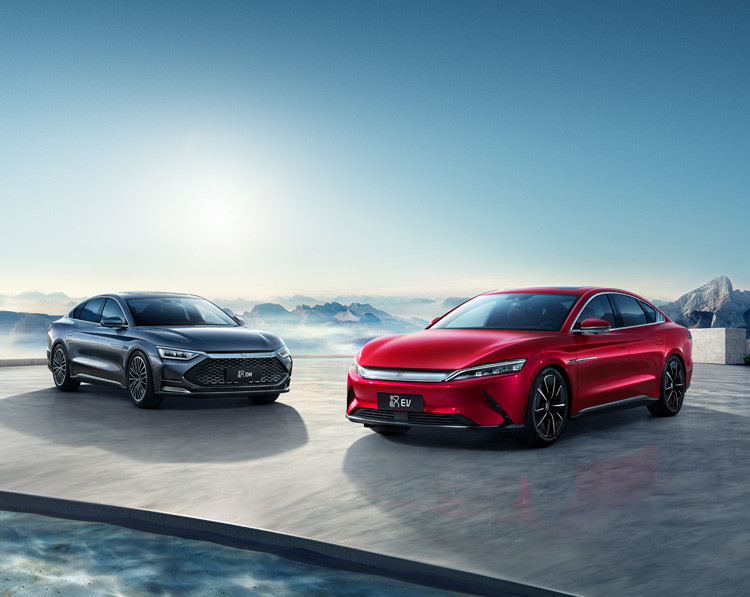
On February 10th, BYD is set to hold its Intelligent Strategy Conference at its Shenzhen headquarters, focusing on the latest developments of its advanced driver-assistance system, “Tianshen Zhiyan” (Heavenly Eye). As a leading brand in the Chinese new energy vehicle market, BYD aims not only to maintain its sales leadership but also to vigorously promote the popularization of intelligent driving. Market expectations are high—BYD’s stock surged by 80 billion RMB (approximately USD 11–12 billion) in market value on the day the event was announced, underscoring that intelligent technology has become a key focus for investors.
Paths to Popularizing Intelligent Driving
BYD’s intelligent driving strategy can be summarized in several key points:
-
Large-Scale Promotion of Intelligent Driving Models
BYD plans to equip 60% of its 2025 production and sales volume with high-speed NOA (Navigate on Autopilot) or higher levels of intelligent driving technology. With a target of 5 million vehicles sold in 2025, this means that roughly 3 million vehicles will come with intelligent driving capabilities. This ambitious goal positions BYD to potentially become the world’s top seller of intelligent driving vehicles. -
Coverage Across a Price Range from 100,000 to 1,000,000 RMB
Unlike competitors such as Tesla or Xiaopeng, which focus on high-end intelligent technologies, BYD intends to break the stereotype that intelligent driving is exclusive to premium models. The goal is to bring intelligent driving technology to the mass market. BYD’s product lineup spans from entry-level models—such as the Haieou—to premium brands like Yangwang, all expected to be equipped with intelligent driving solutions. To support this, BYD has developed three tiers of intelligent driving systems:-
Entry-Level: Provided by Run Guang Zhixing
-
Mid-Range: Developed in-house by BYD
-
High-End: Created in collaboration with Momenta
-
-
In addition, BYD’s intelligent driving chips will be sourced from both its own development efforts and suppliers such as Horizon and NVIDIA, ensuring a tiered computing power solution that covers low, medium, and high segments.
-
Timeline for High-End Intelligent Driving Solutions
The conference is expected to reveal further details and timelines for implementing “end-to-end” intelligent driving solutions. This development could mark a significant step forward for BYD’s intelligent driving system, potentially securing a leading position among its peers.
Is Equal Access to Intelligent Driving Feasible?
While BYD’s vision of “enabling everyone to enjoy high-level intelligent driving” is ambitious, several questions remain. For example:
-
Can existing vehicles receive intelligent driving upgrades via OTA (Over-The-Air) updates?
-
For entry-level models priced around 100,000 RMB, will the high-speed NOA system prove both practical and safe?
-
Will intelligent driving features be standard across all models, or will they be reserved for higher-spec variants? Alternatively, might BYD launch separate “intelligent driving” editions of its vehicles?
The answers to these questions will directly impact the feasibility and market acceptance of BYD’s strategy for equal access to intelligent driving.
Furthermore, the industry is nearing a technological inflection point where falling hardware costs, improved algorithms, and increased consumer acceptance are pushing intelligent driving into the mainstream. Competitors such as Xiaopeng and smart vehicles backed by Huawei are also rapidly advancing their intelligent technologies to capture market share. Whether BYD can leverage its comprehensive strategies—encompassing technology, pricing, and product offerings—to build a differentiated advantage by 2025 remains a key point for market observers.
Can BYD Deliver on Its Promise?
BYD’s intelligent strategy not only has the potential to enhance its own market competitiveness but could also accelerate the widespread adoption of intelligent driving in China’s new energy vehicle market. Investors, consumers, and industry stakeholders are eagerly awaiting BYD to provide convincing answers.