
Non-Farm Payrolls and Annual Revisions: What to Expect and How They Could Shake the Markets

Shearing sheep
February 7, 2025
GoGPT Summarizes Articles
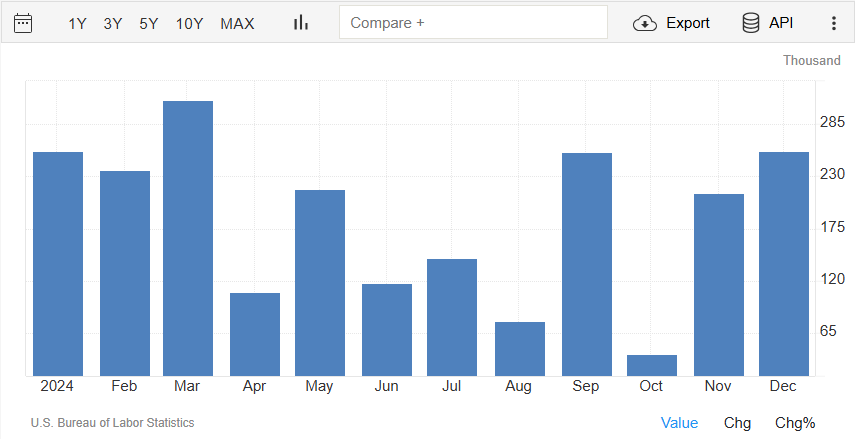
On February 7th, at 8:30 AM ET, the U.S. will release the January non-farm employment report, and the annual revisions are also on the horizon. These revisions could bring significant adjustments to the historical data, so let's break down what to expect and the potential market impact.
Expectations for Jobs and Unemployment Rate
The consensus predicts 170,000 jobs were added in January, down from the 256,000 in December. This suggests that while the job market remains strong, it's showing signs of slowing. The unemployment rate is expected to hold steady at 4.1%, indicating a solid but not booming economy.
José Torres from Interactive Brokers is a bit more optimistic, forecasting 190,000 jobs for January, slightly above consensus. He attributes this to the strength of small and medium-sized enterprises (SMEs), which are benefiting from expected tax cuts and a more favorable regulatory environment under the current administration. Goldman Sachs also expects 190,000 jobs, citing a lower layoff rate and strong overall data that should offset job losses caused by California's wildfires and weather disruptions. Bank of America's economists expect an increase of 200,000 jobs, noting that last month's wildfires in California could have led to a loss of 15,000 to 20,000 jobs.
Torres highlights sectors like Education, Health Services, Leisure, Hospitality, Retail, and State and Local Government as key drivers of growth. However, analysts are closely monitoring potential immigration policy changes. If these reduce the labor force, the unemployment rate could tick up, even with overall job growth. This remains a wildcard due to the uncertainty surrounding U.S. immigration laws.
Expectations for Annual Revisions
The Bureau of Labor Statistics (BLS) will release annual revisions to the non-farm employment survey, which could lead to significant adjustments. These revisions use more comprehensive data, such as unemployment insurance tax records, making the numbers more accurate. Typically, the revisions go back about five years, but they primarily focus on the most recent year's data. Any changes to 2024's data could significantly shift how we view the labor market's momentum.
However, Bank of America economists don't expect dramatic revisions this time around. They believe downward revisions will mainly affect the second half of 2023, while adjustments to employment growth in early 2024 will be relatively minor. According to their report to clients: “In other words, recent employment growth should not be significantly affected.”
Bloomberg's economic model predicts non-farm employment totals will be revised down by 934,000 by the end of 2024, marking a significant shift from initial estimates. Goldman Sachs suggests upward revisions to the unemployment rate are possible due to immigration trends, which could change how both investors and the Fed view the overall health of the labor market.
What Does This Mean for the Fed?
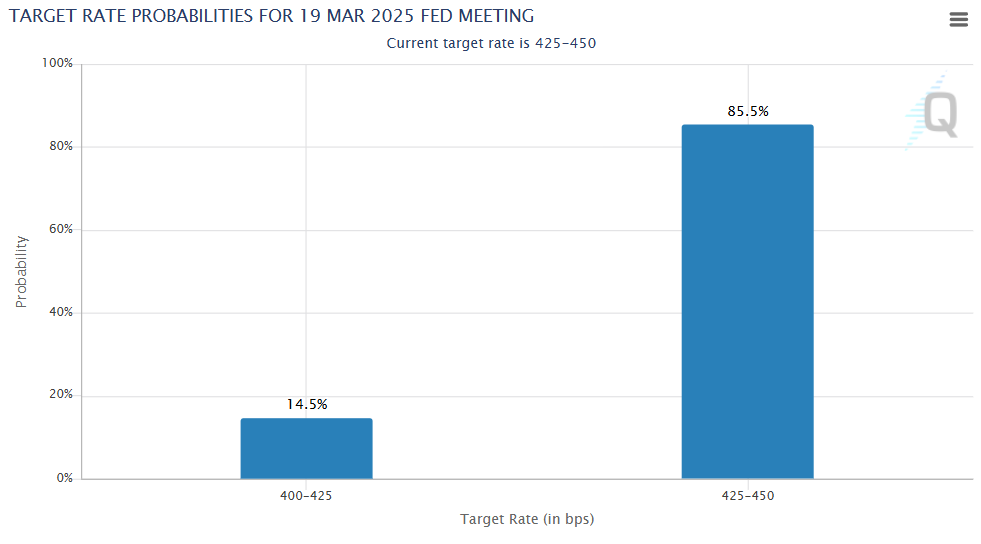
A stronger-than-expected job market could give the Federal Reserve more room to keep interest rates higher for longer. Despite inflation cooling, the job market remains resilient. The Fed has already lowered rates three times in 2024, but with a strong labor market and uncertain economic policies (especially under Trump's new policies), it may be a while before we see further rate cuts. The CME FedWatch tool currently shows an 85% probability that the Fed will remain on hold at its March meeting.
What Does This Mean for the Market?
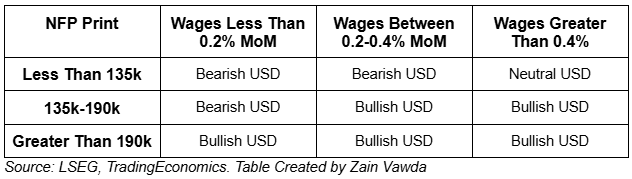
If the report shows strong employment data, especially if job gains exceed 190,000, the U.S. dollar could strengthen. A robust job market might signal that the Fed has more room to keep interest rates higher for longer, which would support the dollar. However, if the report is weak—job gains fall short of 135,000 or wage growth is below 0.2%—markets may expect the Fed to adopt a more aggressive rate-cutting stance, which could weaken the dollar.
For the stock market, strong employment data could stoke concerns about persistent inflation, which might cap market gains. On the other hand, weak job data could fuel optimism about more accommodative monetary policy, with potential for further rate cuts that would likely trigger a bullish sentiment in the market.
What Should We Watch Out for Next?
The Fed isn't rushing to cut rates anytime soon. Analysts are betting that the earliest we'll see another cut is in March or June 2025. However, if we see significant downward revisions in the non-farm data, it could heighten expectations for rate cuts, especially if inflation continues to slow.
We also need to consider the potential impact of Washington's policies, particularly around immigration and domestic manufacturing. Major shifts in these areas could alter labor market dynamics and ripple across sectors. Additionally, weather disruptions, such as California's wildfires, could further affect employment numbers in the short term.
The Bottom Line
The upcoming non-farm payroll data and annual revisions could trigger significant market movements. If the revisions are substantial, we might see a reevaluation of the labor market's strength, influencing the Fed's future decisions. The strong job market provides a buffer for higher rates, but any signs of weakness could quickly shift the narrative. With the non-farm revisions in play, the market is definitely on edge today.
What's your take on this? #nonfarmpayroll #fedrate
#nonfarmpayroll#fedrate