
Trump's Steel and Aluminum Tariffs Reboot: Will History Repeat Itself?

Shearing sheep
February 11, 2025
GoGPT Summarizes Articles
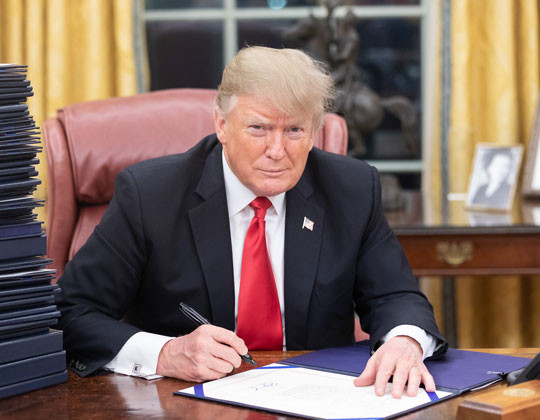
On February 10th, Trump re-signed his executive order to slap a 25% tariff on all imported steel and aluminum into the U.S. No exceptions, no exemptions. Sound familiar? It should, because we’ve been here before. Back in 2018, Trump rolled out similar tariffs, and the aftermath was… well, let’s just say it wasn’t exactly the economic revival he promised.
What Happened in 2018?
When Trump first introduced these tariffs, it was sold as a way to protect American jobs and revive the steel industry. But instead, what we saw was a quick escalation of retaliatory measures from U.S. trading partners—especially the European Union, Canada, and Mexico. These countries imposed their own tariffs on U.S. products, ranging from agricultural goods to whiskey, and even motorcycles. The EU specifically targeted goods from states that voted for Trump, as many of these products were local specialties.
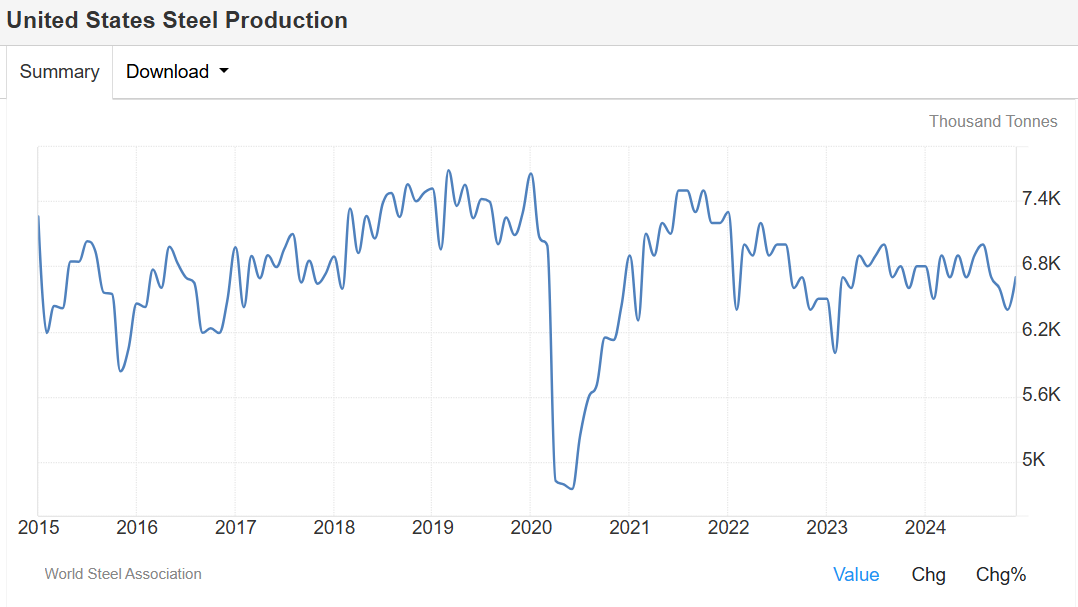
Interestingly, the tariff wars didn’t really do much for American steel or aluminum industries. U.S. steelmakers didn’t ramp up production to meet demand. Instead, they hiked prices, leading to higher production costs for U.S. manufacturers—particularly in the automotive sector. General Motors and Ford, for example, were left scrambling to adjust their profit forecasts due to rising raw material costs. Not exactly the manufacturing renaissance Trump had hoped for.
The Domino Effect
In 2018, the automotive giants were hit hard by rising costs of steel, which is crucial for car production. Many had to lower profit expectations or face production delays. The idea that tariffs would revitalize U.S. manufacturing just didn’t hold up. In fact, domestic manufacturers were still subject to rising costs from steel producers, with little improvement in the overall capacity to produce.
Then there was the whiskey debacle. The EU retaliated by imposing tariffs on U.S. whiskey, a hit that sliced U.S. whiskey exports by a third. This is a perfect example of how tariffs on one sector can ripple out and damage others that are completely unrelated. And while Trump’s tariffs were supposed to curb the trade deficit, they ended up causing a fair amount of pain for U.S. consumers and manufacturers.
The Re-Launch
Fast forward to 2025, and Trump’s back at it, announcing new tariffs on steel and aluminum. This time, he’s also hinting at possible tariffs on cars, chips, and pharmaceuticals. But before we get too excited about the economic "protection" these tariffs may offer, let's remember the lessons of 2018.
Sure, there’s the immediate appeal of protecting American industries from cheap imports, but these tariffs hurt more than they help. They add costs to industries that depend on steel and aluminum, including automotive and construction. And let’s not forget about the global backlash. Countries are ready with their countermeasures—Canada, for instance, is prepared to retaliate if pushed too far, and the EU is getting creative with its counter-tariffs, including targeting U.S. tech and financial giants.
Will It Work This Time?
Trump hopes that these tariffs will protect U.S. industries and reduce the trade deficit. But history has shown us that this approach can backfire spectacularly. The 2018 tariffs didn’t revive the steel industry; instead, they led to layoffs and plant closures. And let’s not forget the ripple effect on other sectors, like automotive and agriculture, which suffered from both higher costs and lost export markets.
The global economic landscape has shifted since 2018. The U.S. auto industry is now in the middle of a tricky transition to electrification. Adding tariffs into the mix could further strain an already fragile sector. Plus, with the EU and Canada ready to retaliate, the U.S. could find itself in another trade war, but this time with even more at stake.
Tariffs seem like a blunt instrument that often hurts more than it helps. Maybe it’s time to consider more nuanced approaches, like targeted subsidies or incentives for domestic production, rather than blanket tariffs that invite retaliation and disrupt global supply chains. #trump
#Trump Policy in 2025: Here's What to Expect#trump