
Fed's Next Move: Rate Cuts or Hikes? The Inflation Debate Heats Up

Shearing sheep
February 12, 2025
GoGPT Summarizes Articles
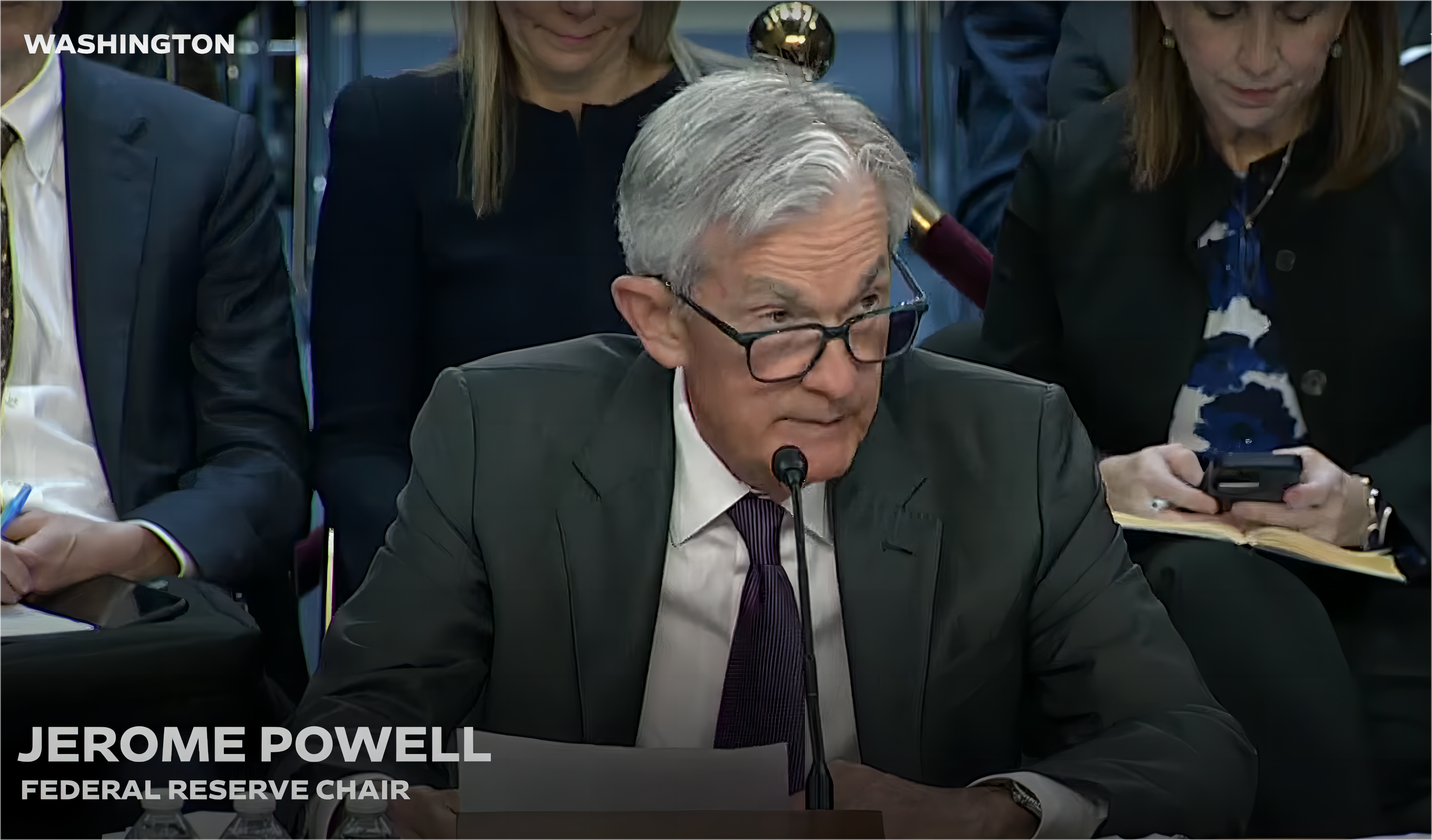
On Tuesday, Fed Chair Powell's testimony before Congress once again put the spotlight on the central bank's next move. Powell emphasized that there's no rush to adjust interest rates, with the 2% inflation target still in sight. But not everyone shares this view.
Powell's "Wait-and-See" Stance
Powell's message this week was clear: the Fed is in no rush to cut rates. With the economy still showing strength and inflation gradually cooling, the Fed feels it has the luxury of time. As Powell put it, "With our policy stance now significantly less restrictive than it had been and the economy remaining strong, we do not need to be in a hurry to adjust our policy stance."
This makes sense. The labor market, while not as red-hot as it was in 2022, is holding up. Unemployment has stabilized around 4%, and consumer spending remains robust. Plus, the Fed's preferred inflation gauge, the PCE index, has fallen to 2.6% from its 2022 peak of 7.2%. That's progress, but it's still above the Fed's 2% target.
So, for now, Powell is playing it cool. If inflation continues to trend downward and the economy stays strong, rates could remain unchanged for a while. But if inflation stalls or the labor market weakens unexpectedly, rate cuts could be back on the menu.
But Wait… What About Rate Hikes?
Here's where things get interesting. Former Treasury Secretary Larry Summers, the guy who famously called out inflation risks back in 2021, is sounding the alarm again. He's warning that the next Fed move might not be a cut—it could be a hike.
Summers points to signs of labor market tightness, including stronger-than-expected wage growth in January (up 0.5% month-over-month). He also highlights rising inflation expectations in surveys like the University of Michigan's and the New York Fed's. Add to that the potential for Trump-era tariffs and immigration policies to drive up costs, and you've got a recipe for renewed price pressures.
Summers isn't alone in his concerns. Some economists worry that Trump's proposed policies—like stricter immigration controls and higher tariffs—could exacerbate labor shortages and push prices higher. Tariffs, in particular, could lead to at least a one-time spike in price levels, which might feed into sustained inflation.
So, What's Next?
Honestly, I think the Fed is walking a tightrope. On one side, you've got a resilient economy and cooling inflation, which argue for patience. On the other, you've got risks like wage growth, rising inflation expectations, and potential policy shocks (looking at you, tariffs).
I think Powell's "wait-and-see" approach is the right call for now. The Fed has already done a lot of heavy lifting with those 2023 rate hikes, and the economy has absorbed them better than many expected. But Summers' warning is a reminder that inflation isn't dead—it's just hibernating.
If I were betting, I'd say the Fed holds rates steady for the next few meetings, with a cut later in the year if inflation continues to cool. But I wouldn't rule out a hike entirely, especially if we see a resurgence in price pressures.
And remember, in this economy, expect the unexpected.
So, what's your take? #fedrate
#Fed Rate Outlook#fedrate