
OKX’s Announcement of Pi Coin Listing: Will It Revolutionize the Cryptocurrency Industry?

Magical Investor
February 16, 2025
GoGPT Summarizes Articles

In the dynamic realm of cryptocurrency, the listing and circulation of any project are matters that grip the attention of countless investors.
The news regarding the OKX exchange is going to list Pi coins on February 20th has ignited widespread interest and intense discussions across the market.
This development truly caught me off guard, as I have had my own encounter with Pi coin.
Back in 2018, around the time when Bitcoin was just soaring in popularity, during a casual dinner, a friend of mine (the very same friend with whom I missed out on Bitcoin when it was priced at $3,000 each) excitedly exclaimed, "Hey, I've stumbled upon this amazing cryptocurrency project that's a surefire way to make money without any risk!"
The "lucrative investment opportunity" he was referring to was Pi coin, also known as π coin.
Firstly let me take a moment here to give you a brief rundown of what Pi coin is all about.
Pi is a cryptocurrency that can be mined using a mobile application. All you need to do is tap the "mine" button once every 24 hours to accrue a certain quantity of Pi coins. Additionally, you can boost your mining efficiency by inviting friends and fulfilling contribution tasks within the network.
As Pi miners, users of the Pi Network can assume one of four distinct roles.
The first role is the Pioneer. Pioneers are the everyday users of the app. Their daily routine involves simply verifying that they're not bots, and they also have the ability to transfer Pi coins to one another, provided they adhere to the network's rules.
Next up is the Contributor. In essence, Contributors are those who actively contribute valuable content to the Pi Network ecosystem. This could range from participating in community discussions, sharing insightful information, to providing feedback that helps improve the platform.
Then there's the Ambassador. Ambassadors play a crucial role in expanding the Pi Network's user base. By inviting new users to join the network, Ambassadors not only help the project gain more traction but also earn incentives in the form of increased mining rates for themselves.
Finally, It is the Node operators. Nodes are the backbone of the Pi Network, consisting of users who run the Pi node software on their desktop or laptop computers.
Users have the flexibility to take on multiple of these roles simultaneously. Each role is integral to the smooth operation and expansion of the Pi Network.Collectively, all four of these roles are categorized as Pi miners.
In all honesty, delving deep into the technical intricacies of Pi coin isn't really necessary from an investment perspective. Just know that you can mine this coin right from your smartphone, and there's an added incentive structure in place where you earn extra rewards for inviting others.
Plus, Pi coins can be used to make purchases within the network's internal marketplace. In fact, to create a perceived value anchor, the marketplace even lists items like a Rolls-Royce with an astronomical Pi coin price tag.
When I first heard about it, my initial thought was that it seemed more like a pyramid scheme than a legitimate cryptocurrency.
However, my friend assured me that all it required was watching a few ads to mine the coins, and since there was no upfront financial investment, I decided to let him pursue it.
And when I heard the recent news about Pi coin, I immediately reached out to my friend. He told me that he had stopped mining after just a few months. The reason is that he grows doubts about the long-term viability of the project.
I then shared the news of its potential listing on OKX with him. He quickly reinstalled the app to check his account.
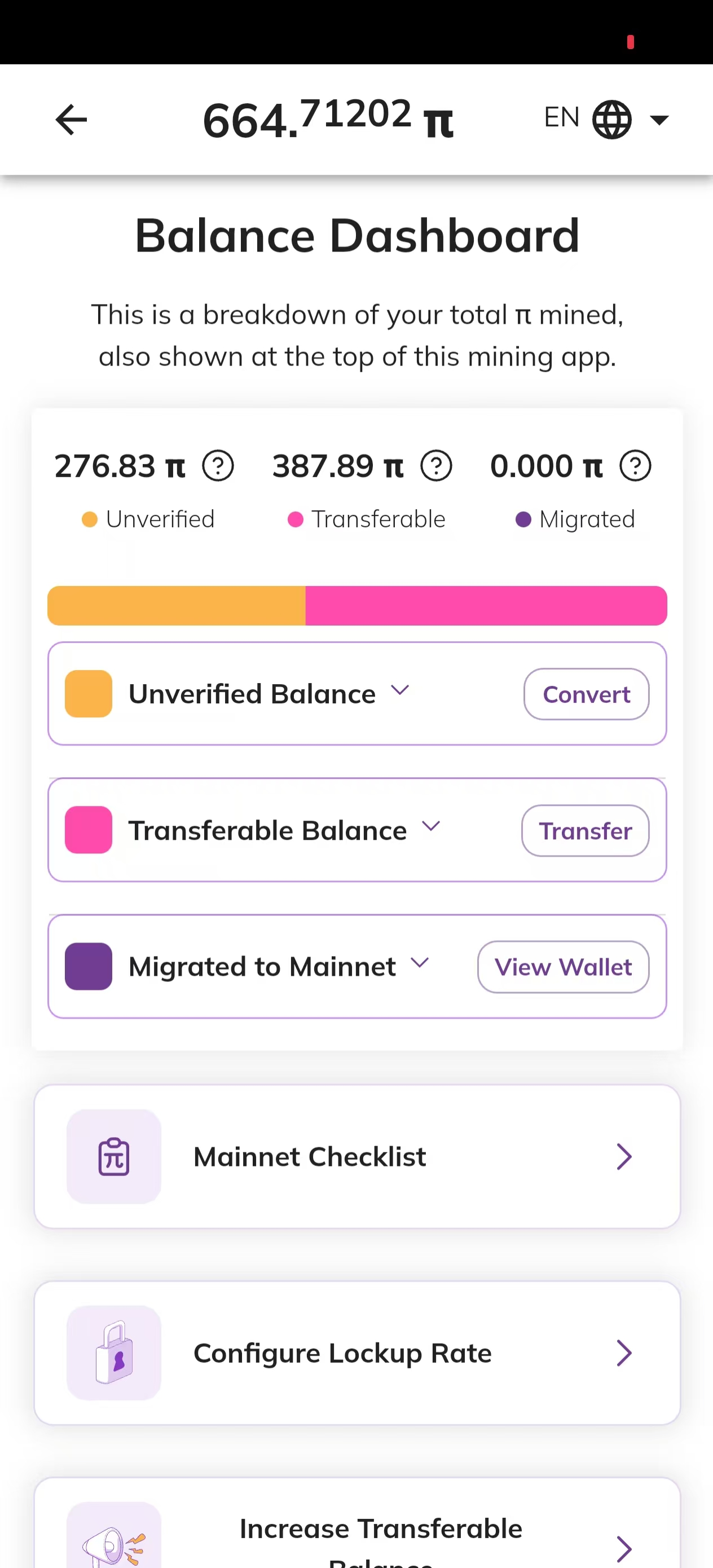
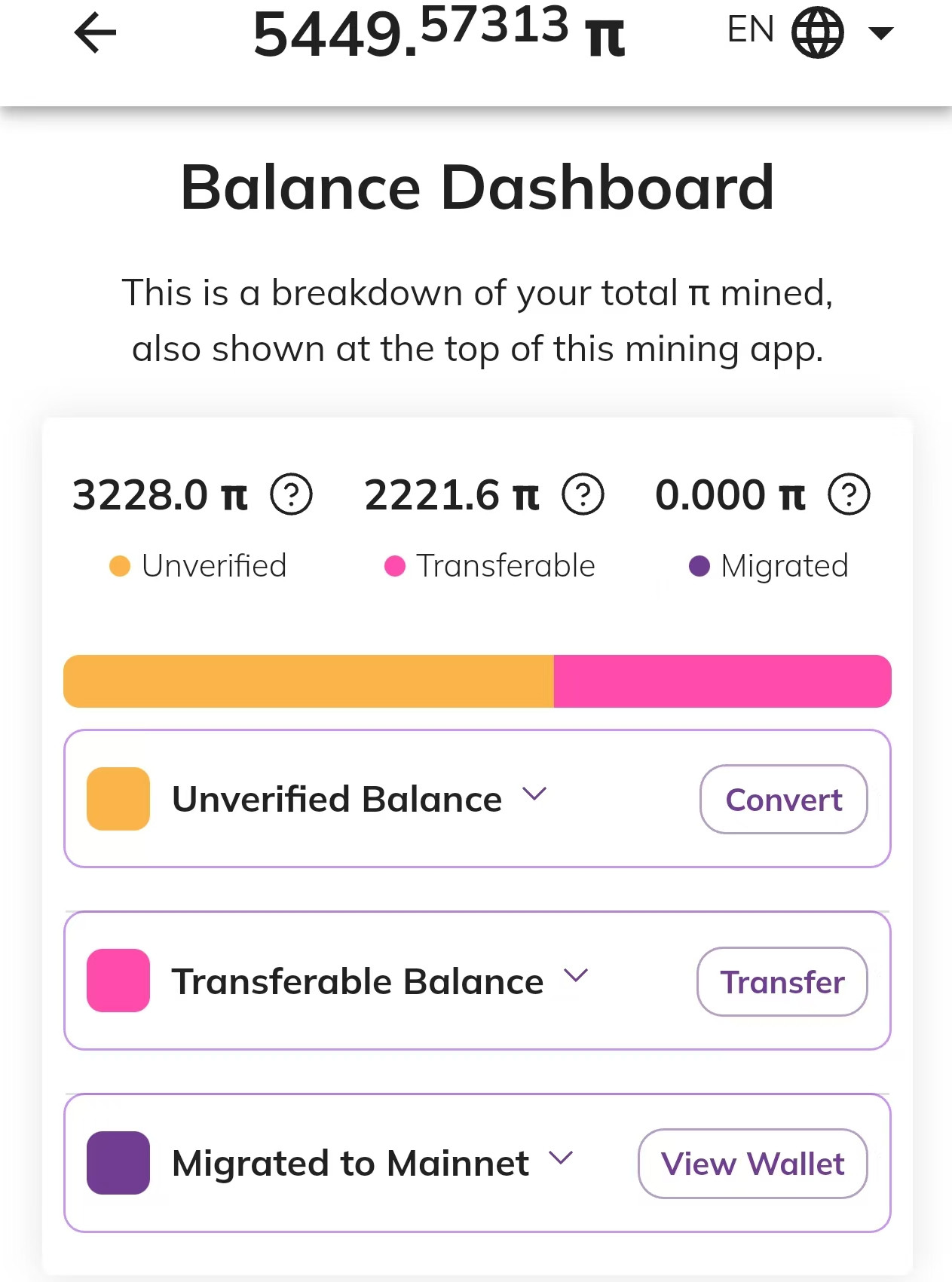
The screenshot in Figure 1 shows his account, and Figure 2 shows his mother's. He even mentioned that his father had amassed nearly 4,000 Pi coins.
Intrigued, I decided to do some research on the current prices in the external market .
Although Pi coin hasn't been officially listed yet, some sources indicate a price of $65 per coin. Meanwhile, the market price is rumored to be around $30 per coin.
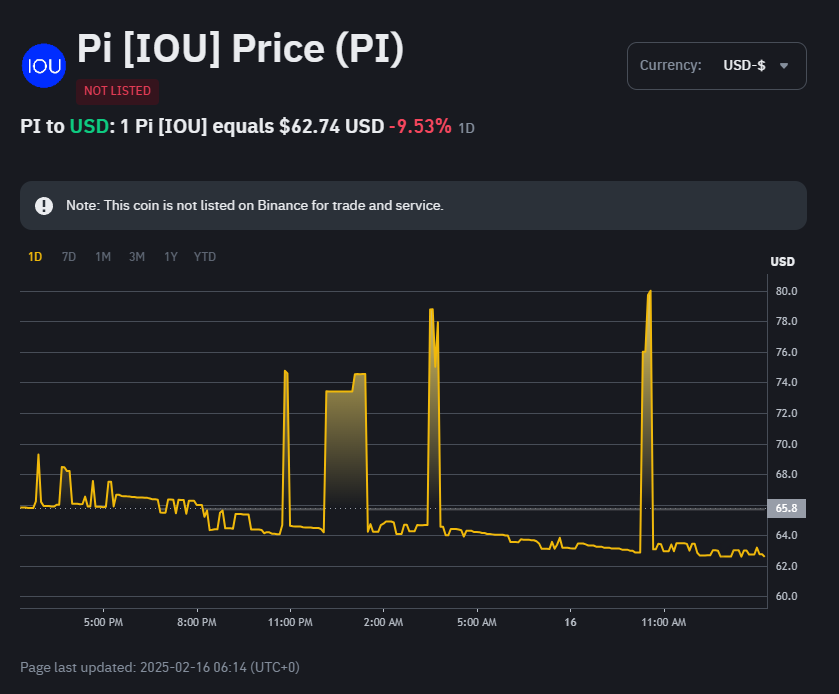
Additionally, there has been a noticeable surge in trading information related to Pi coin on platforms like Twitter and various Chinese social media apps. I'll explain why I'm specifically mentioning China in a bit.


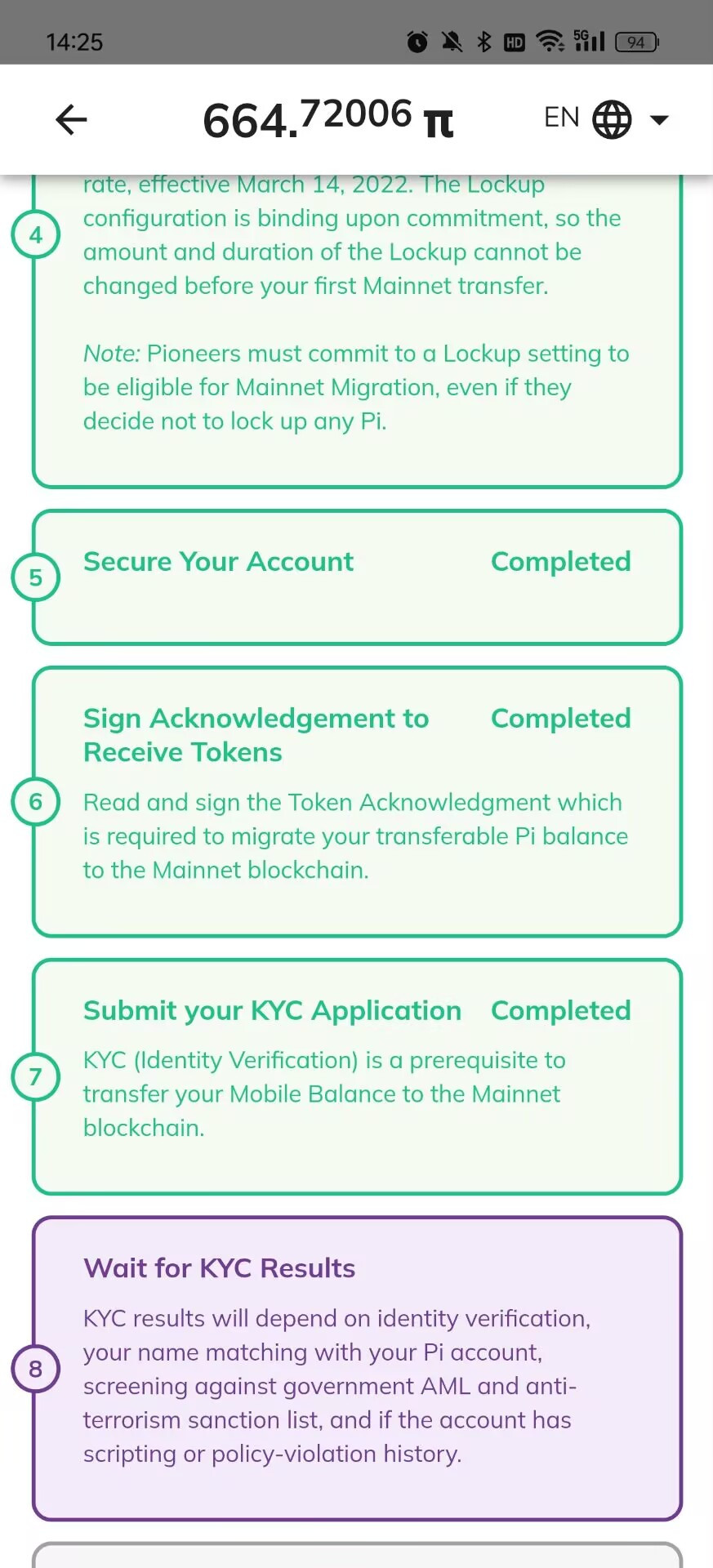
I remain skeptical about these price claims. My friend went through a rigorous eight-step verification process just to enter the queue for a review, which is supposed to be completed within 14 days. However, the exact timeline remains uncertain, adding an extra layer of ambiguity to the whole situation.
Despite these uncertainties, my friend can't help but dream of the possibilities. He eagerly shared that his first purchase after selling his Pi coins would be a brand-new car.
For now, let's put aside the question of whether he'll actually succeed. If there are any developments, I'll be sure to update you. But for now, let's shift our focus back to Pi coin itself.
So, why is China being singled out in this discussion?
The listing model adopted by OKX this time is a segregated trading model, with trading prohibited in certain countries, with China being a prominent example.
The primary reason for this restriction is closely tied to regulatory pressures.
Pi Network has long been under scrutiny by regulatory authorities in multiple countries, with suspicions of it being involved in pyramid schemes or Ponzi-like operations.
In China, in particular, its community growth model, characterized by a form of network marketing, has been flagged as potentially resembling a pyramid scheme.
China's large population base made it an attractive target for Pi Network's early promotional efforts. Coupled with the lingering influence of similar pyramid scheme-like models in the past, the number of Pi coins held by Chinese users is likely to be significantly higher than one might expect. This substantial holding has the potential to introduce significant volatility to the market, especially if there are any changes in market sentiment or regulatory policies.
For instance, there's a risk of a market sell-off, where a large number of holders might flood the market with their Pi coins in an attempt to cash out, leading to a sharp decline in price. On the other hand, the fear of missing out could also drive the price to artificially inflated levels. However, both scenarios are fraught with uncertainties and risks.
So, why would OKX decide to list Pi coin?

As we all know, this bull run in the cryptocurrency market has been far from smooth. With the exception of Bitcoin, most cryptocurrencies have struggled to gain significant traction, leaving retail investors with limited opportunities to profit. In such a lackluster market environment, the creation of a wealth effect has been elusive.
During previous bull markets, the influx of retail investors was largely driven by the wealth effect. When people saw their friends and acquaintances making substantial profits from cryptocurrency investments, the word spread quickly, drawing in more participants.
In 2024, meme coins (MEME) were the talk of the town in the cryptocurrency space. However, after a year of hype, retail investors who had been actively participating were starting to run out of steam.
This is where Pi coin comes in. Pi, which had been operating on the fringes of the mainstream cryptocurrency world, found a mutually beneficial partnership with OKX.
The exchange was in need of a boost in traffic and visibility, and Pi, with its existing user base, presented an opportunity. In return, Pi was seeking validation from a well-established exchange like OKX, hoping to legitimize its position and enable its users to monetize their holdings.
Furthermore, the recent coin offerings by Donald Trump and his family had a significant impact on the cryptocurrency market, leaving many investors feeling burned and the market in a state of disarray. The market desperately needs to attract new investors from outside the cryptocurrency community to inject much-needed liquidity. Against this backdrop, the potential listing of Pi coin seems to have come at a opportune moment.
However, when we look at the reality, Pi coin has a current circulating supply of 6.041 billion coins and a total issued supply of 9.294 billion coins.
About the 6 billion coins, Pi coin would need to achieve a market capitalization of $30 billion to support a price of $0.5 per coin. Given the current market conditions and the inherent risks associated with Pi coin, this seems like an unrealistic goal.
And is it really possible that the circulating supply of Pi coin will remain at just 6 billion? I estimate that the currently unlocked Pi coins might only account for around 5% of the total supply.
As more coins are unlocked and enter the market in the future, it's highly unlikely that the market price will be able to sustain itself at a high level. Of course, the project developers could choose not to unlock the coins held by users, but this would likely lead to a backlash from the community.
Despite these long-term concerns, there's no denying that Pi coin is likely to attract short-term speculation. Some investors, driven by the hype and the allure of potential profits, may be tempted to jump in and try their luck, hoping to ride the wave of excitement.
Currently, people around the world are engaged in discussions about the true value of Pi coin in the context of its potential listing. Opinions vary widely, with some dismissing it as a complete scam, while others hold out hope for a miraculous price surge that could bring them substantial wealth.




Finally, putting aside all the above, it should be noted that Pi Network may pioneer a new model of "lightweight blockchain": Compared with Bitcoin's energy-intensive mining and Ethereum's high Gas fees, its low-power mobile mining mechanism and the feature of zero-cost participation may attract traditional Internet users to migrate to Web3. If this model succeeds, it is likely to give rise to more blockchain projects targeted at the general public and accelerate the process of cryptocurrency breaking into mainstream circles.
As the clock strikes midnight on February 20th, this social experiment that has been ongoing for 2,190 days will face its ultimate test.
Will the bubble burst, leaving investors disappointed and empty-handed? Or will the community's collective belief in Pi coin lead to a victory of consensus, defying all odds? The answer perhaps lies within each participant. Are you simply chasing a get-rich-quick fantasy, or are you unwittingly caught up in a complex dance of human nature and greed?
So, what's your take? How much do you think Pi coin is actually worth?Please let me know in the comment section.