In recent years, the pace at which humanoid robots have transitioned from concepts to reality has suddenly accelerated.
Humanoid robots are expected to become disruptive products following computers, smartphones, and new energy vehicles, with enormous commercial potential.
Today, we will discuss some of the world's currently well-known companies and their robots. In this great power competition in the field of robots, who will be the winner?
The United States:
Tesla and its Optimus
Tesla is undoubtedly one of the most eye-catching players in the humanoid robot race.
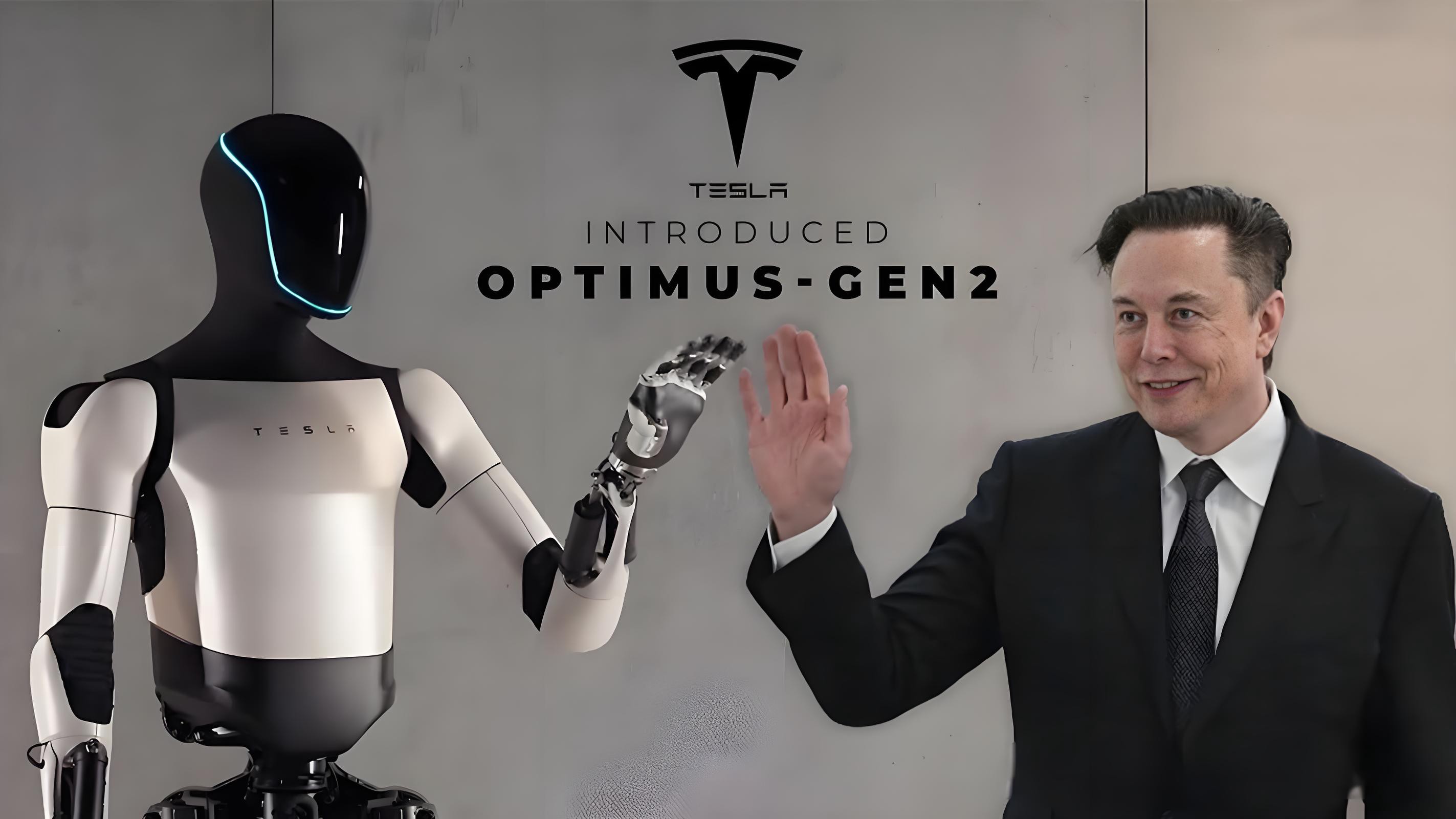
The humanoid robot Optimus it launched has attracted global attention since its birth.
As a company that has achieved great success in the electric vehicle field, Tesla, with its deep accumulation in battery technology, autonomous driving technology, and intelligent manufacturing, has injected powerful impetus into the development of humanoid robots.
The current model is Optimus Gen-2. It uses actuators and sensors independently designed by Tesla, which has increased its walking speed by 30% compared to the previous generation and reduced its weight by 10 kilograms. In addition, all fingers are equipped with tactile sensing functions, enhancing its operational flexibility and precision.
Elon Musk's vision is to achieve large-scale production of Optimus Gen-2 at a reasonable price in 2027, making humanoid robots more popular and easier to use.
This robot is designed to handle tasks such as manufacturing, logistics, and elderly care. Tesla has currently deployed this robot in its manufacturing operations, and it is believed that it will have the opportunity to enter the commercial market in the near future.
Boston Dynamics and its "Teenage Mutant Ninja Turtles"
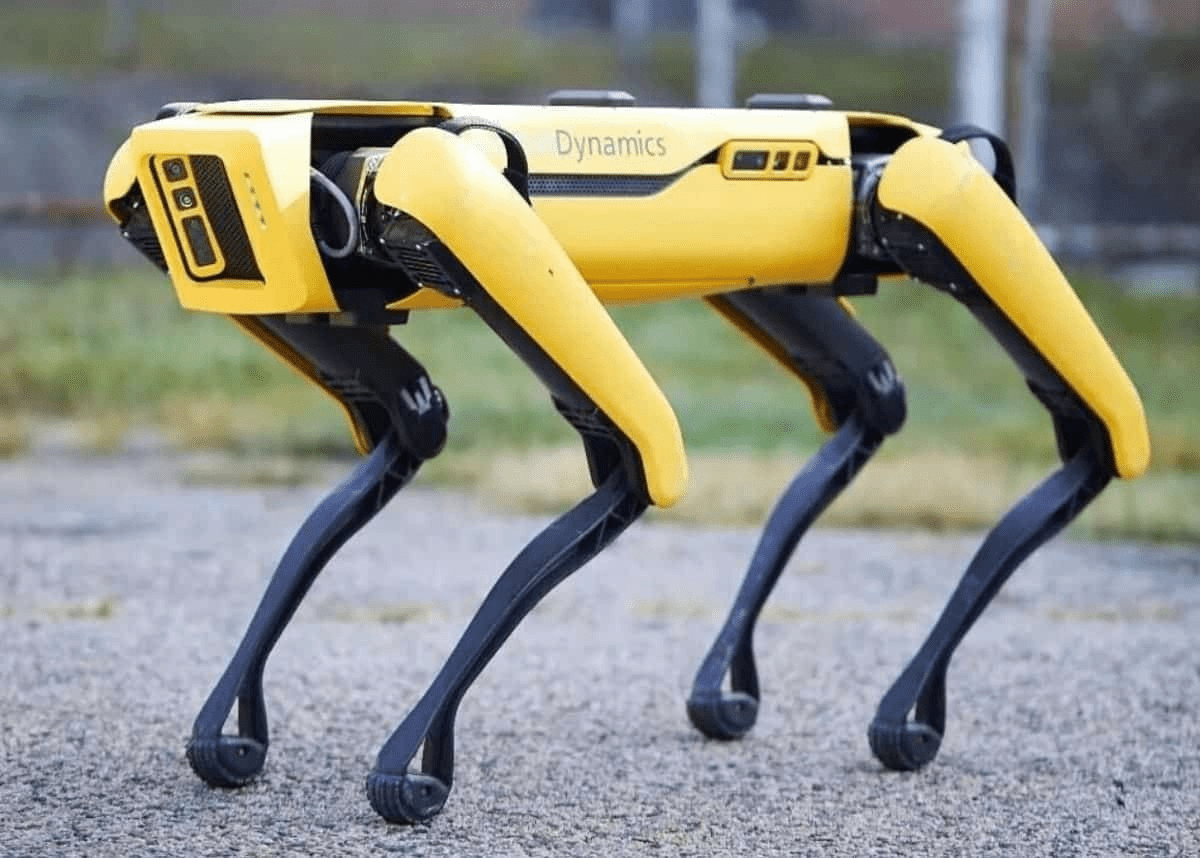
When it comes to Boston Dynamics, the most famous product is probably its Spot robot dog: an electro-hydraulic robot dog that can walk, run, and even climb stairs, with a very wide range of applications.
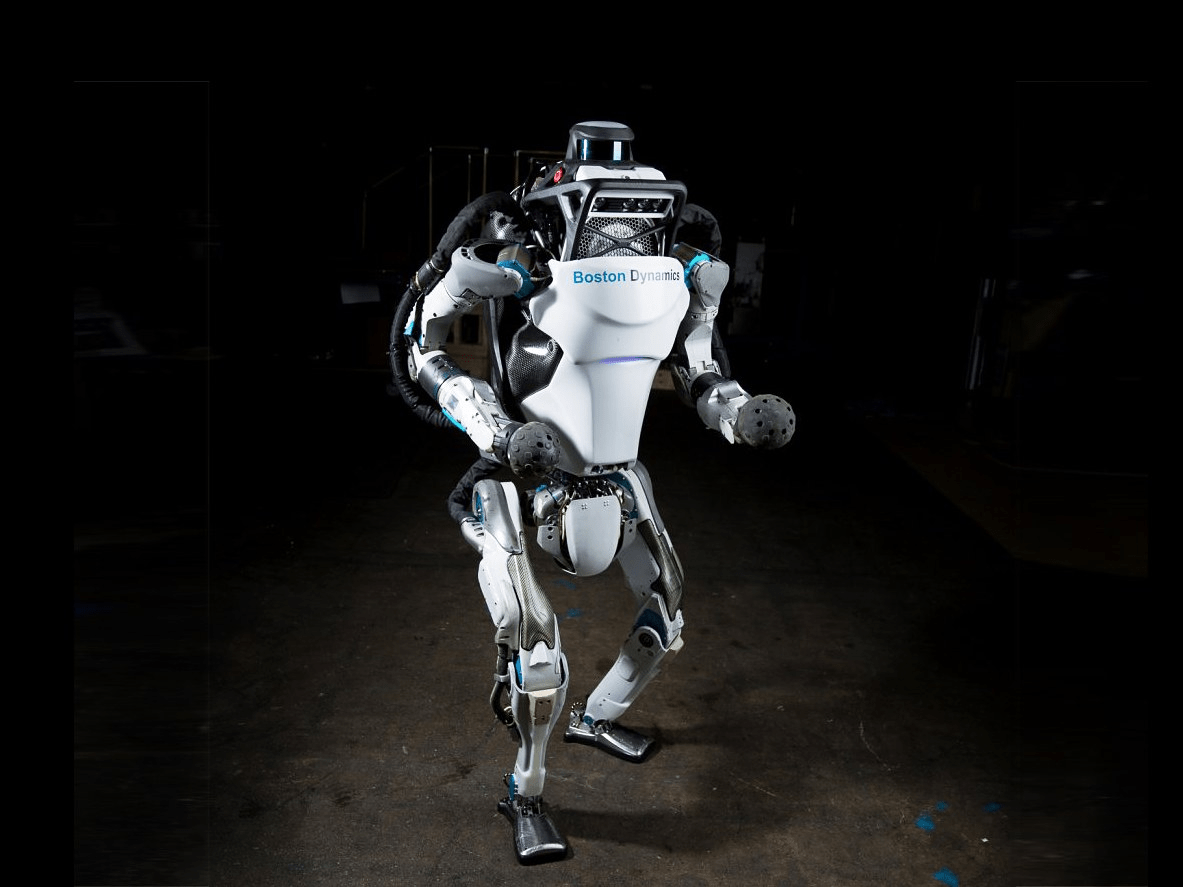
Secondly, there is its humanoid robot, the hydraulic Atlas. Atlas looks very much like the "Teenage Mutant Ninja Turtles". It has a pair of dexterous hands that can not only handle heavy work but also use basic tools to complete actions such as opening doors and grasping objects.
In addition, with the LiDAR and stereo sensors mounted on its body, this robot also has the ability to avoid obstacles and recognize objects.
In a technical presentation at the robot top conference RSS, the new Atlas has evolved to the point where it can do push-ups and walk upside down.
China
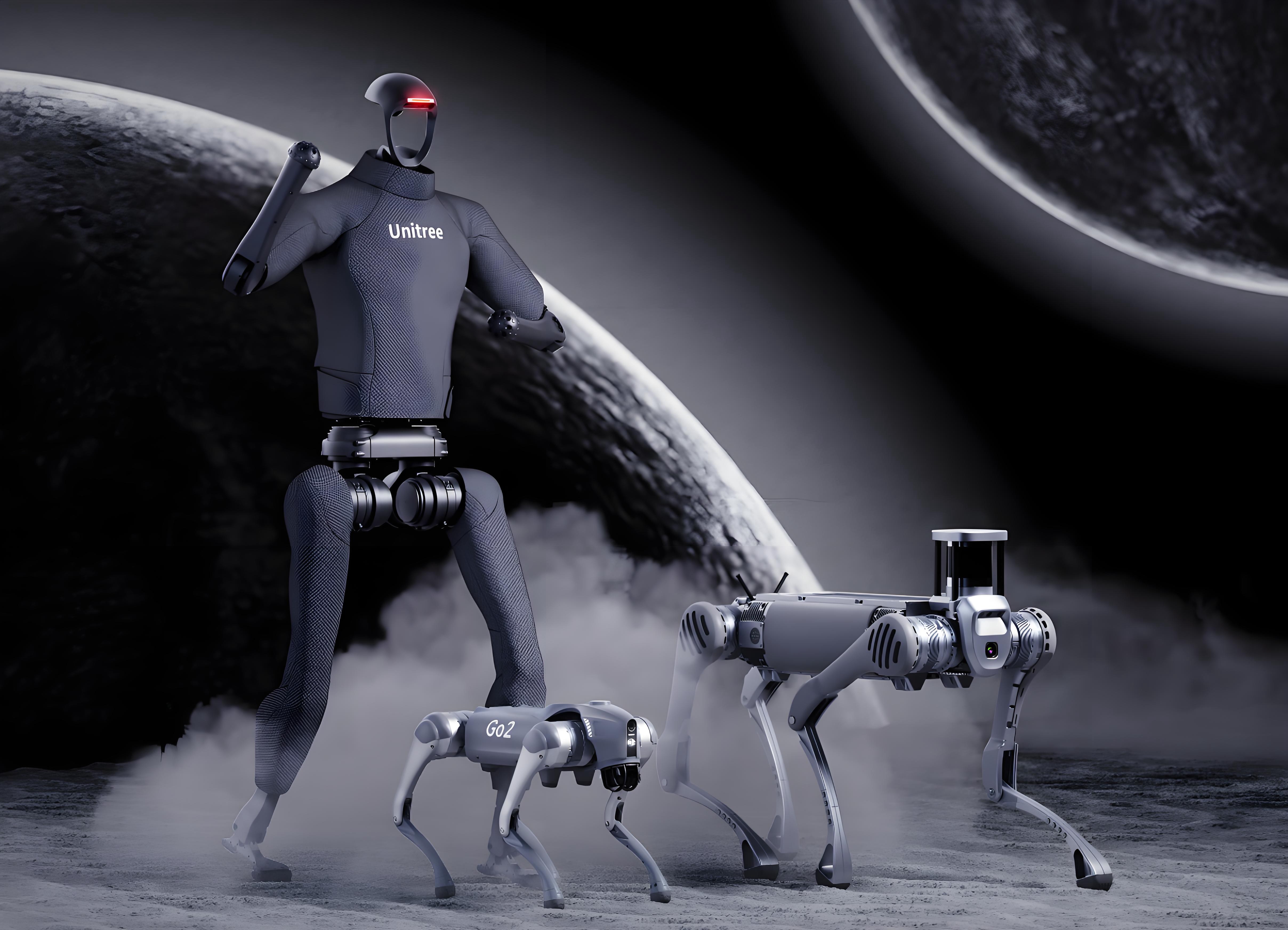
Unitree H1 and G1: The unfallable in robots
The H1-ReS humanoid robot of Unitree Technology has attracted much attention since the video of it was released online in August 2023.
Empowered by artificial intelligence algorithms, the walking and balance of the H1-ReS are all completed through independent calculations. Even if it is impacted by a strong external force, it can quickly adjust its posture and maintain its balance.
According to reports, the H1 is the world's first full-size electric-driven humanoid robot that can do a somersault in place. It can reach a speed of 4.3 meters per second, and the maximum joint torque can reach 360 N.m.
The H1 is also the first full-size general-purpose humanoid robot in China that can run.
Another humanoid robot of Unitree Technology, the G1, was first released on May 13, 2024, and the mass-produced version was officially launched on August 20, 2024. The starting price of this robot is 99,000 yuan, making it one of the relatively low-priced high-end humanoid robots in the market.
GR-1: a little expert in rehabilitation and care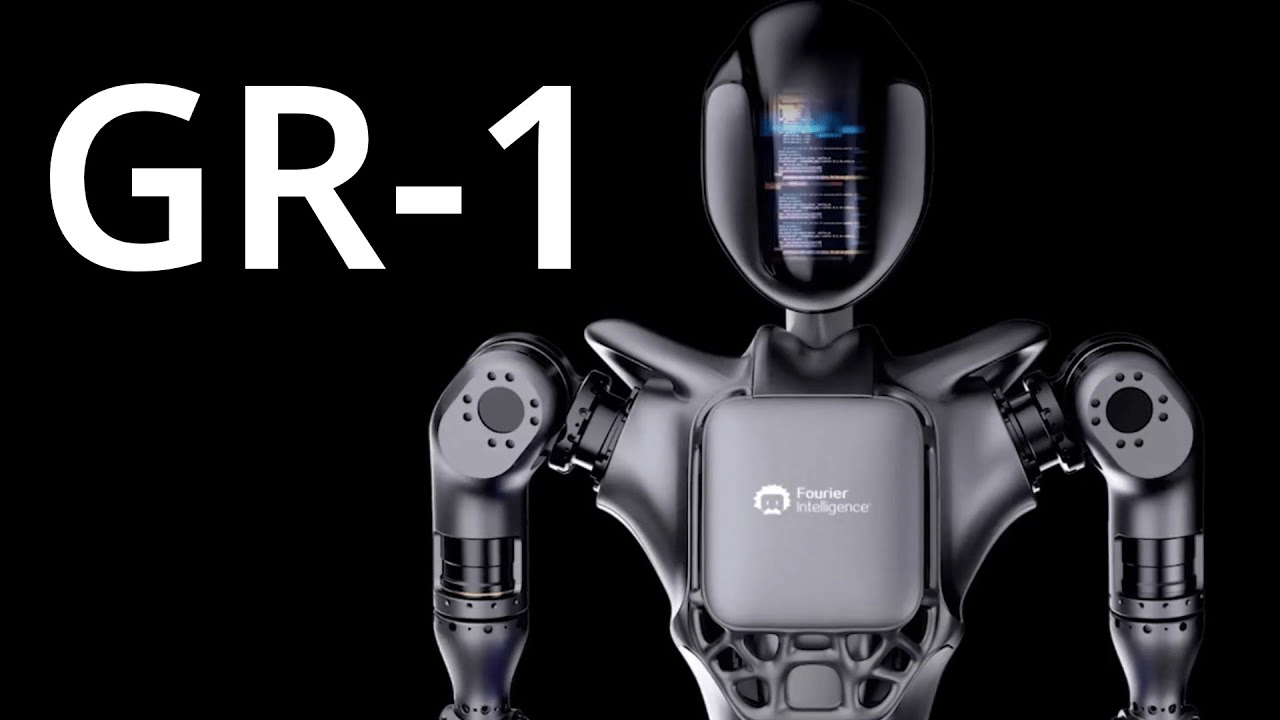
The general-purpose humanoid robot GR-1 was developed by Fourier Intelligence, a technology company in Zhangjiang Science City.
It is 1.65 meters tall, weighs 55 kilograms, has 40 degrees of freedom throughout its body, the peak torque of the largest joint module can reach 300 N.m, the walking speed is 5 kilometers per hour, and it can carry a load of 50 kilograms.
Supported by artificial intelligence algorithms, it has the ability to avoid obstacles agilely and can walk on sloped and uneven ground.
According to the plan, this humanoid robot will be first applied in people's livelihood scenarios such as rehabilitation and care. In the future, humanoid robots with powerful motion capabilities and deployed with artificial intelligence large models are expected to engage in various tasks such as housekeeping services, elderly care, education, medical care, emergency rescue, and facility inspection.
Germany
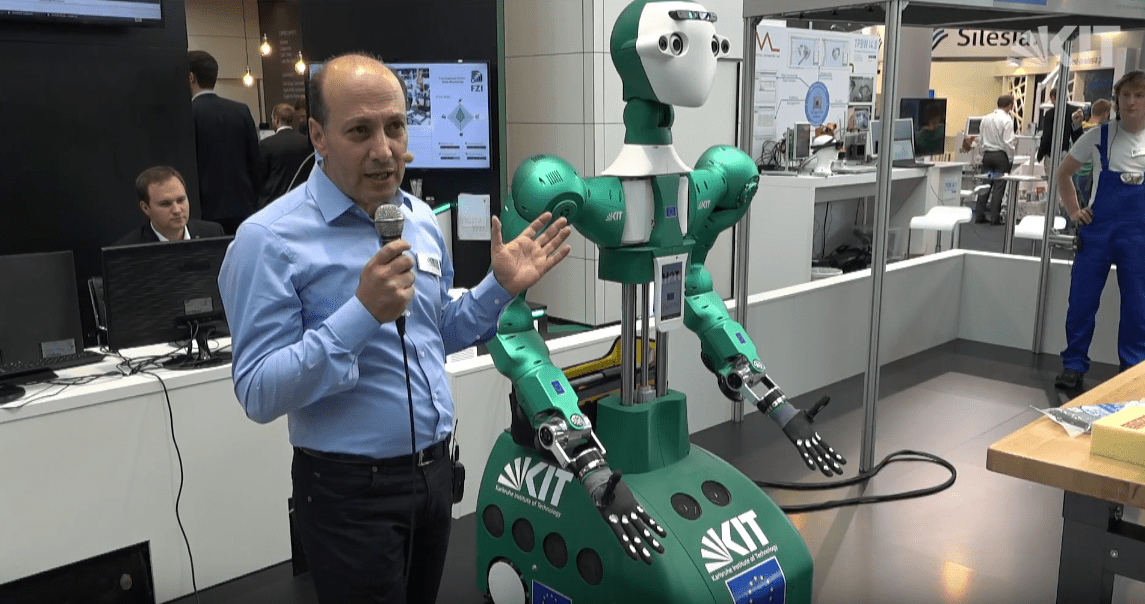
IROBOTICS ARMAR-6: A highly advanced humanoid robot developed by IROBOTICS. It stands out with its sophisticated design and multiple degrees of freedom. Standing at an appropriate height for human-like interaction, ARMAR-6 has a pair of dexterous arms that can perform a wide variety of complex tasks.
Of course, countries such as Japan and Switzerland also have their representative robots. Due to limited space, we will not list them one by one.
In addition to the several already well-known robots I mentioned above, various tech giants have also started to make arrangements, either directly entering the market or achieving a breakthrough by taking an alternative route. Here, I will briefly mention a few of them.
Meta: Using the home scenario as an entry point to build a "hardware + AI" ecological closed loop
Meta's Reality Labs division is accelerating the research and development of humanoid robots. In the initial stage, it focuses on household scenarios (such as cleaning and item organization), and plans to provide the industry with underlying AI solutions and sensor technologies. Its strategic intention is to penetrate the home scenario through robot hardware, form a synergistic effect with the metaverse entry points (such as AR glasses), and ultimately build an ecological closed loop of "integration of virtual and real". Meta has already reached out to robot companies such as Unitree Robotics and Figure AI, attempting to integrate industry resources to achieve a breakthrough quickly.
OpenAI: From algorithms to entities, defining the "next-generation intelligent terminal"
The cooperation with Jony Ive, the former chief designer of Apple, reveals OpenAI's ambition to create AI hardware devices that have both assistive and entertainment functions. The "assistive humanoid robot" mentioned in its trademark application may integrate the deep reasoning capabilities of GPT-5 and enhance its performance through self-developed AI chips and quantum computing. This vertical integration model of "algorithm + hardware" aims to break through the limitations of pure software services and directly reach the user's physical world.
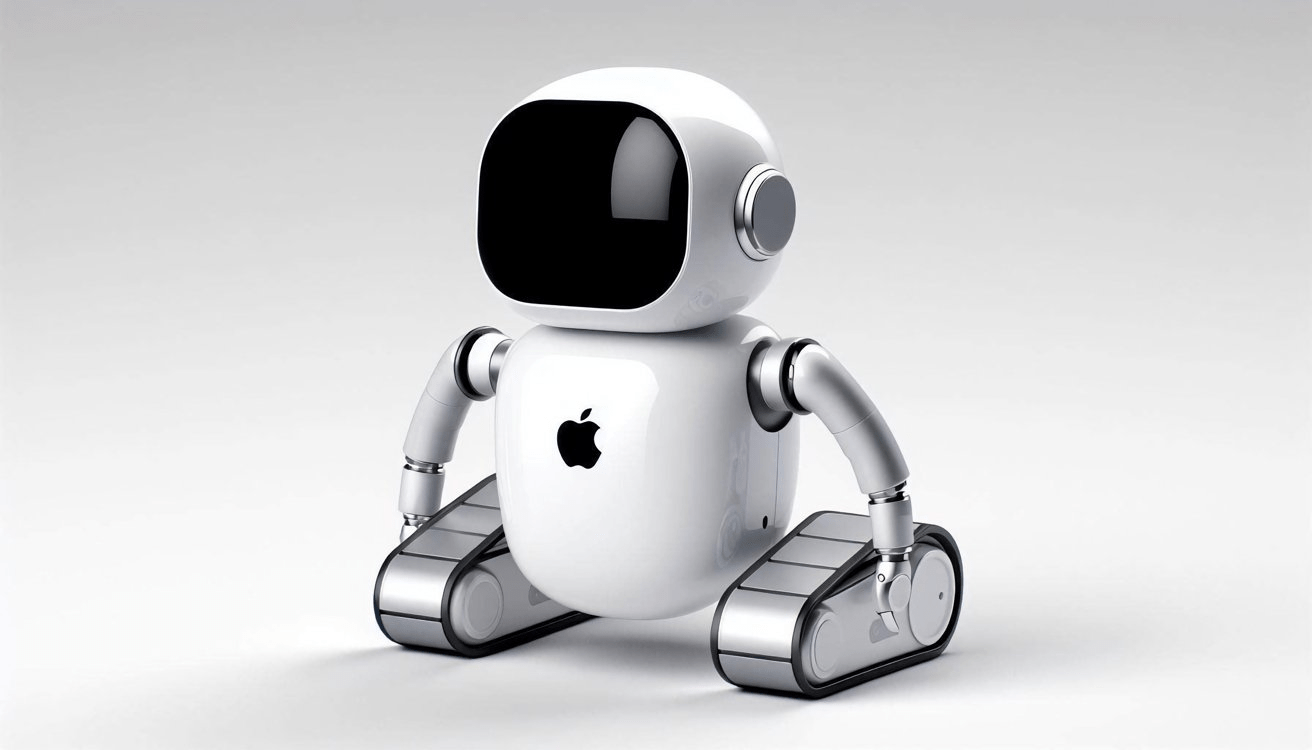
Apple: Entering the market in a roundabout way and infiltrating the industrial chain through AI function cooperation
Although Apple has not directly dabbled in robot hardware, it is embedding AI capabilities into the mobile phone system layer through cooperation with Alibaba and Baidu. For example, the upgrade of the Chinese version of Siri relies on Baidu's visual intelligence technology, and Alibaba assists in developing an AI content filtering system that complies with China's regulatory requirements. This strategy of "leveraging external forces" not only avoids the risks of hardware research and development but also accumulates data and experience for future human-computer interaction scenarios.
Currently, the biggest problem restricting the development of the humanoid robot industry is actually mass production.
It is necessary to control the manufacturing and research and development costs, shift from technical verification to a commercial closed loop, and achieve mass production.
This mass production is neither in the hundreds nor in the thousands. Such a quantity will not bring about a disruptive structural adjustment.
One million units is the mark of the start of the mass production stage. At this time, the hardware cost needs to be reduced to be lower than the average annual labor cost of a single worker, and the software system needs to achieve a technological breakthrough in cross-scenario generalization capabilities, extending the application scenarios of robots from intelligent manufacturing factories to the service and household fields.
According to the current plan of Tesla, "In 2025, 10,000 Optimus robots will be produced, and the production capacity will be expanded to 1,000 units per month; in 2026, the monthly production capacity will reach 10,000 units, and in 2027, it will be further increased to 100,000 units per month."
The goal of one million units and the arrival of the humanoid robot era may not be far from us.
And which country and which company can stay at the forefront of the world may directly determine their influence on the global stage in the coming years. who will be the winner?Who will win? I don't know. Tell me your opinion.