
Trump's 25% Tariffs on Autos, Chips, and Pharmaceuticals: What It Means for Global Trade and Investors

Shearing sheep
February 19, 2025
GoGPT Summarizes Articles
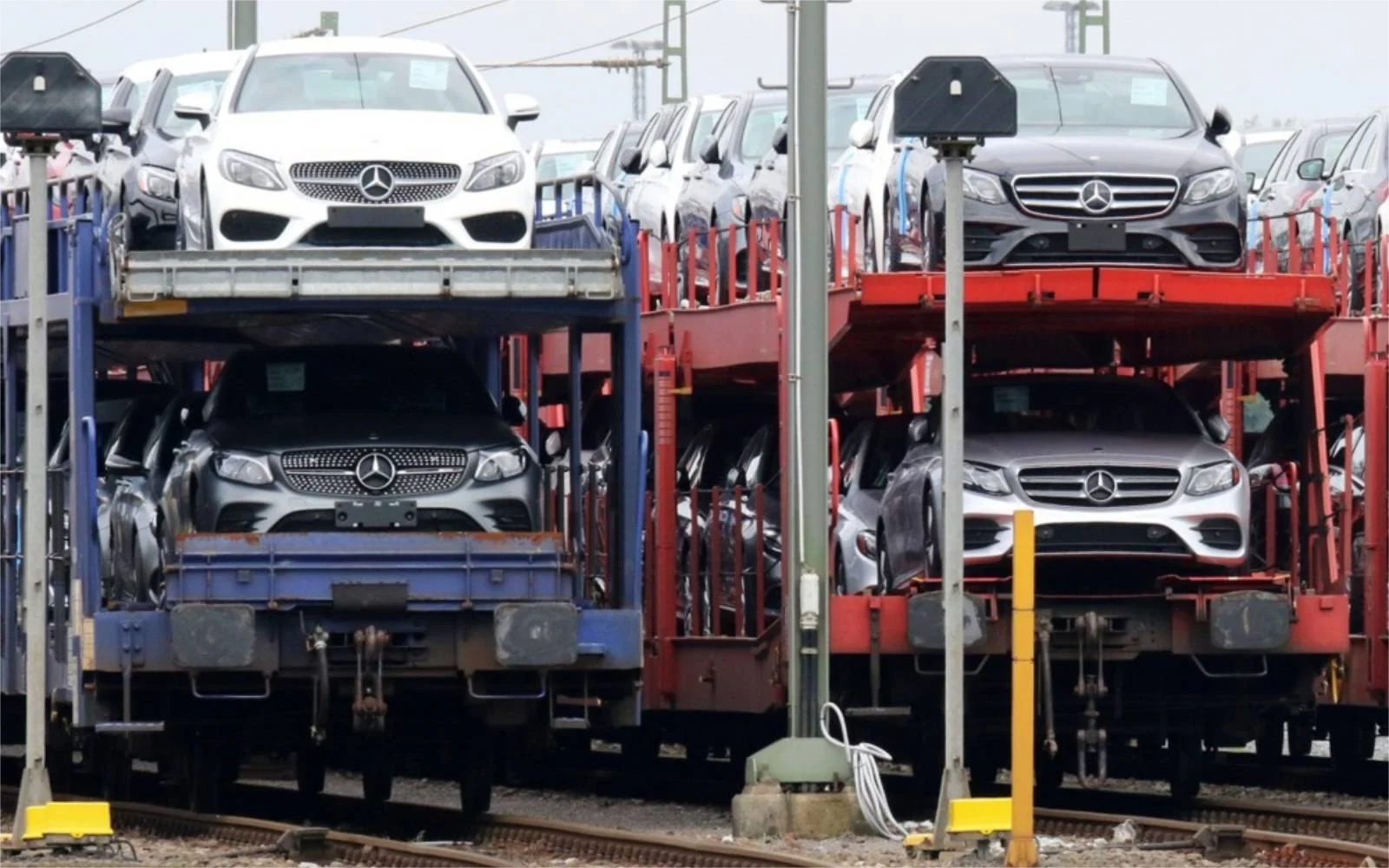
This week, Trump is once again making headlines with his latest tariff proposals. This time, the targets are automobiles, semiconductors, and pharmaceuticals, with a proposed tariff rate of around 25%. This isn't just a one-off move; it's part of a broader, more aggressive trade policy that's been unfolding since Trump returned to office. Let's break it down and talk about what this could mean for global trade, industries, and investors.
What's Happening?
On Tuesday, US President Trump announced that he plans to impose 25% tariffs on imported automobiles, semiconductors, and pharmaceuticals, with the possibility of even higher rates over time. He mentioned that companies might get a "phase-in period" to move production back to the U.S. before the tariffs kick in. The announcement is expected to come as early as April 2, coinciding with the potential rollout of "reciprocal tariffs" aimed at equalizing U.S. trade relationships with other countries.
This isn't entirely unexpected. Trump has been vocal about his protectionist stance, and we've already seen 25% tariffs on steel and aluminum imports, as well as a 10% levy on Chinese goods. Now, he's targeting sectors that are critical to both the economy and national security.
Why These Sectors?
1. Automobiles
The U.S. imported roughly 8 million passenger cars and light trucks last year, accounting for about half of all vehicle sales. European and Asian automakers like Volkswagen and Hyundai, which rely heavily on exports to the U.S., would take a significant hit. Japanese automakers, for instance, exported 1.44 million passenger cars to the U.S. in 2023, making it their largest export market. Higher tariffs could lead to increased car prices for U.S. consumers and disrupt supply chains, especially for vehicles manufactured in Canada and Mexico under free trade agreements.
2. Semiconductors
The global chip shortage has already strained industries worldwide. Adding tariffs could exacerbate supply issues and increase costs for tech companies that rely on imported chips. Higher production costs for electronics, potential delays in product launches, and possible retaliation from countries like South Korea and Taiwan, which are major chip exporters.
3. Pharmaceuticals
The U.S. is heavily reliant on imported drugs, with Indian drugmakers alone accounting for over 38% of their exports to the U.S. A 25% tariff could disrupt the supply of affordable medications. Higher drug prices for consumers and potential shortages of critical medications.
The Bigger Picture: Trade Wars and Retaliation
Trump's tariff strategy is part of his broader goal to reduce the U.S. trade deficit and bring manufacturing back home. However, this approach risks escalating trade tensions. The EU, for example, has already promised swift retaliation if the tariffs are implemented, targeting politically sensitive goods from Republican states.
The EU's top trade official is heading to Washington this week for last-ditch talks, but Trump has signaled that he's not willing to back down if he sees a trading relationship as unbalanced. This could lead to a domino effect, with other countries imposing their own tariffs on U.S. goods.
What Does This Mean for Investors?
- Short-Term Volatility: Expect market turbulence as industries and governments react to the potential tariffs. Automakers, tech companies, and pharmaceutical firms with significant exposure to U.S. imports could see their stock prices fluctuate.
- Supply Chain Shifts: Companies may accelerate plans to move production to the U.S. or other tariff-exempt countries. This could benefit domestic manufacturers but increase costs for businesses in the short term.
- Consumer Impact: Higher prices for cars, electronics, and drugs could dampen consumer spending, which has been a key driver of the U.S. economy.
- Long-Term Uncertainty: If trade wars escalate, global supply chains could be reshaped, leading to higher costs and slower growth across multiple sectors.
My Take
While Trump's tariffs aim to protect U.S. industries and reduce trade deficits, the approach feels heavy-handed and could backfire. Tariffs are essentially taxes on consumers, and the ripple effects could hurt the very industries they're meant to protect. Additionally, the risk of retaliation from trading partners could lead to a lose-lose situation for everyone involved.
For investors, it's crucial to stay nimble. Look for companies with diversified supply chains and strong domestic operations that could weather the storm. Keep an eye on sectors like renewable energy and infrastructure, which might benefit from increased domestic investment. #trump
#Trump Policy in 2025: Here's What to Expect#trump