
Figure AI's Helix: A Game-Changer in Robotics and What It Means for Investors

Shearing sheep
February 21, 2025
GoGPT Summarizes Articles
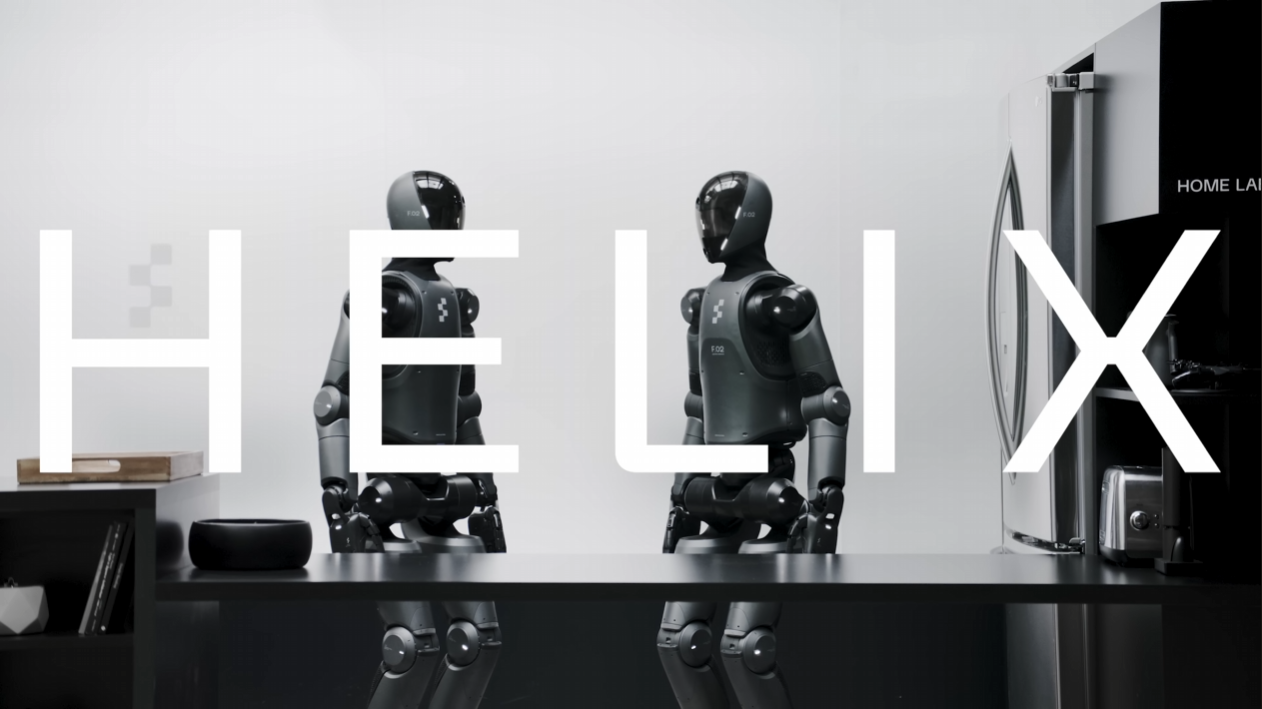
If you've been following the robotics space, you've probably heard about Figure AI's latest announcement. The company just dropped a bombshell with its new AI model, Helix, and let me tell you—this is not just another incremental update. This is a major leap in humanoid robotics, and it has some serious implications for the future of automation, labor markets, and, of course, investment opportunities.
What's the Big Deal with Helix?
Figure AI's Helix is a dual-system AI architecture that combines high-level reasoning with real-time motor control. In simpler terms, it allows robots to understand natural language commands and manipulate objects they've never seen before—without needing specific pre-training or programming. This is a huge departure from traditional robotics, where every new task requires extensive coding or demonstrations.
Here's the kicker: Helix uses a Vision-Language-Action (VLA) model that unifies perception, language understanding, and motor control. This means robots can now generalize tasks, much like humans do. For example, in a demo, two Figure robots collaborated to put away groceries, identifying which items go in the fridge and which should be stored dry—without prior knowledge of the items.
Why This Matters for Robotics and Beyond
Helix doesn't rely on task-specific fine-tuning. Instead, it uses a single set of neural network weights for all behaviors. This opens the door to a new scaling law in robotics—one that doesn't depend on coding. Figure AI claims this could lead to a "billion-unit robot level" deployment. Imagine the impact on industries like manufacturing, logistics, and even household assistance.
Moreover, Helix is the first VLA model that can run on two robots simultaneously, enabling them to collaborate on shared tasks. In the demo, the robots not only worked together but also showed a level of coordination that felt almost... human. This kind of collaboration could revolutionize assembly lines, warehouses, and even disaster response scenarios.
Additionally, the system runs on embedded GPUs, making it immediately deployable. Figure AI has already secured deals with BMW Manufacturing and an unnamed major U.S. client. The company is aiming for 100,000 robots deployed over the next four years. That's a massive scale, and it's not just hype—this is happening.
The Competitive Landscape
While Figure AI's Helix is a significant breakthrough, it's important to consider the broader competition. Here's some of Figure AI's competitors:
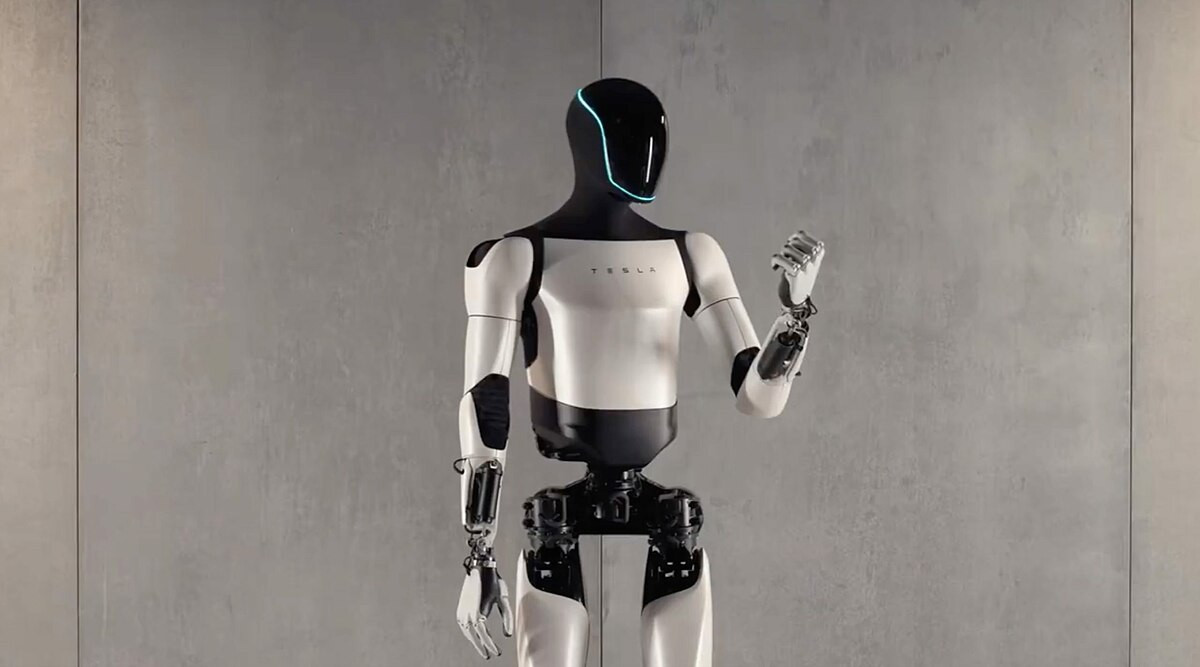
- Tesla Optimus: Tesla's Optimus robot is still in the prototype phase, aiming for a general-purpose robot at a lower cost than a car. Tesla's vast experience in AI and manufacturing gives it an edge, but mass production is still a distant goal.
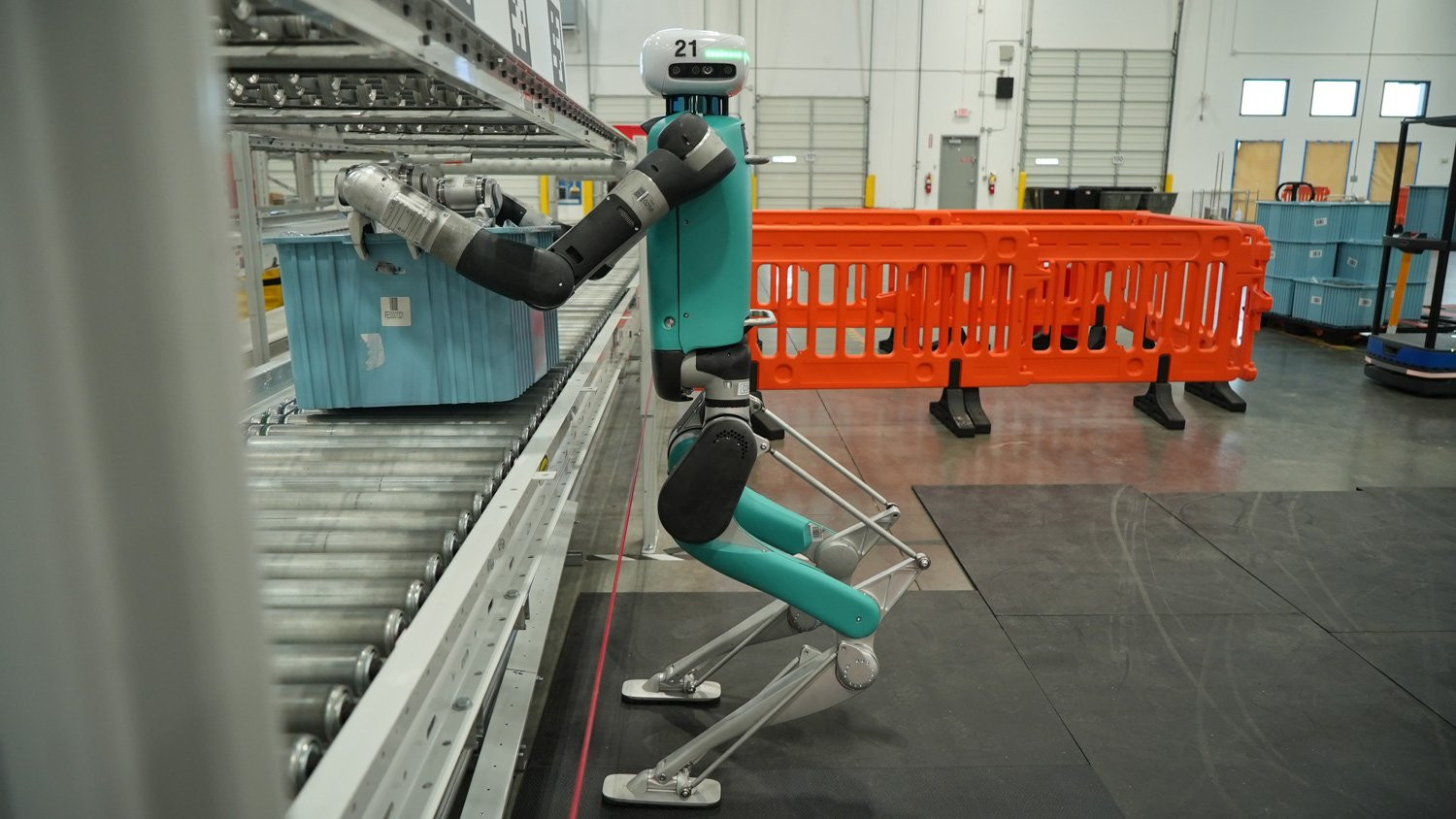
- Agility Robotics: Focused on warehouse automation with its Digit robot, Agility has already secured real-world deployments, including with Amazon. Its niche focus on logistics gives it a head start in commercial applications.
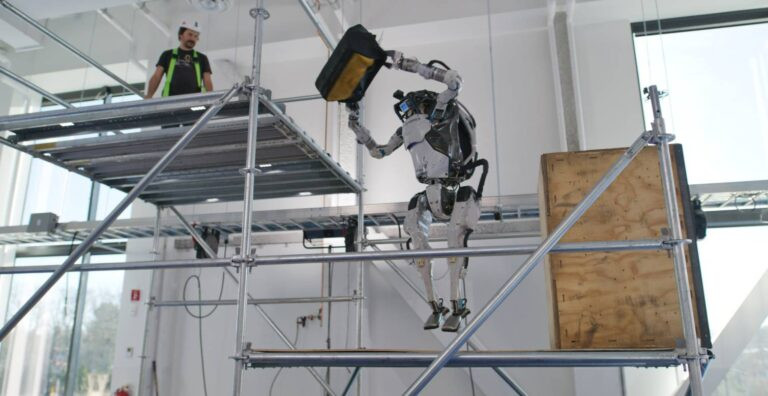
- Boston Dynamics: Known for the viral Atlas robot, Boston Dynamics excels in hardware and dynamic control but has struggled to commercialize humanoid robots. It's currently focusing on the four-legged Spot robot for industrial use.
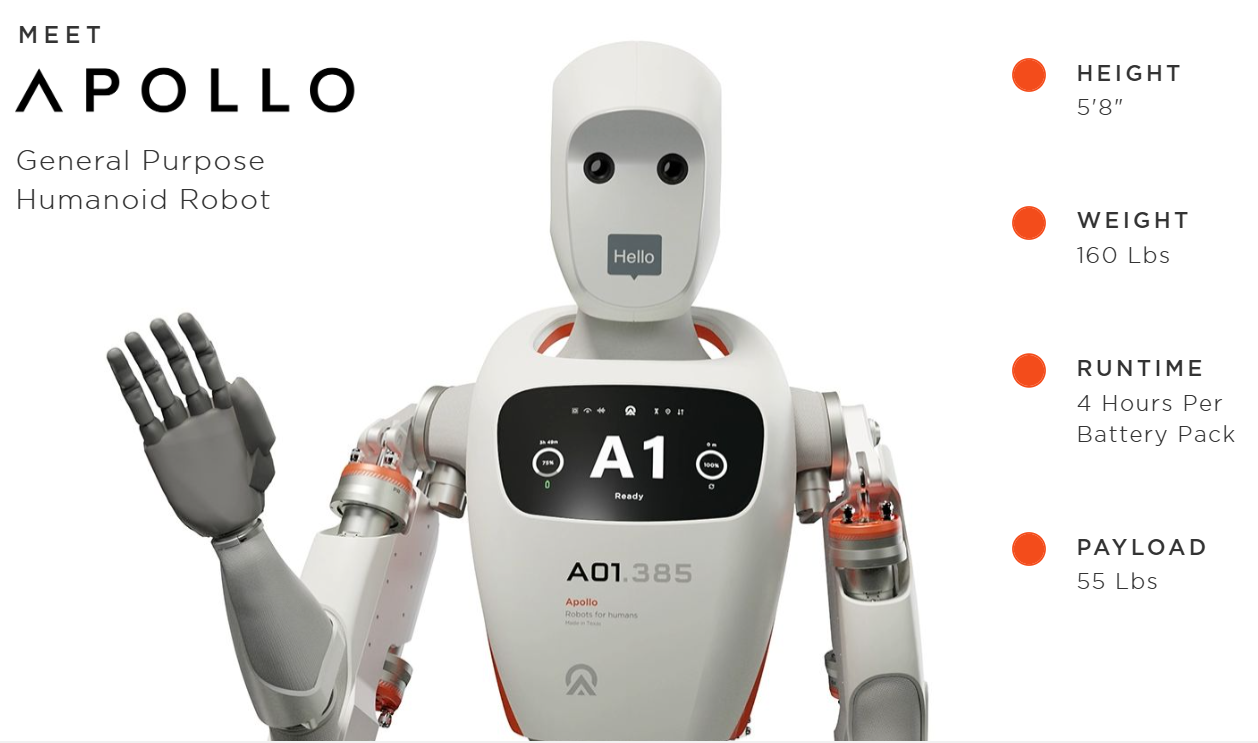
- Apptronik: With its Apollo robot, Apptronik targets practical applications like logistics and material handling. Unlike Figure AI's broad vision, Apptronik focuses on scalable, modular designs for specific industries.
The Investment Angle
Figure AI recently raised $675 million in Series B funding at a $2.6 billion valuation, with backers like OpenAI, Microsoft, NVIDIA, and Jeff Bezos. Now, they're reportedly in talks to raise another $1.5 billion, which would value the company at a staggering $39.5 billion. That's a 15x jump in valuation in less than a year.
What does this tell us? The market is betting big on general-purpose robotics. Investors see the potential for robots to move beyond niche applications and into mainstream use cases. If Figure AI can deliver on its promises, the ROI could be enormous.
My Take
I've been skeptical about humanoid robots—they've always seemed like a solution in search of a problem. But Helix changes the game. The ability to generalize tasks and collaborate without extensive programming is a paradigm shift. It's not just about replacing human labor; it's about augmenting it in ways we haven't fully imagined yet.
That said, there are risks. Scaling to 100,000 robots in four years is ambitious, and execution will be key. Plus, the ethical and societal implications of widespread robot adoption can't be ignored. But from an investment perspective, Figure AI is positioning itself as a leader in a space that's about to explode.
Final Thoughts
If you're looking for exposure to the next big thing in tech, keep an eye on Figure AI and the broader robotics sector. Helix isn't just a technical breakthrough—it's a signal that the robotics industry is maturing, and the opportunities are becoming very real. Whether you're an investor, a tech enthusiast, or just curious about the future, this is a space worth watching. #Robotics
Disclaimer: This is not financial advice. Always do your own research before making investment decisions.
#Robotics