
Tesla's Robotaxi Launch in Austin: A Bold Move Amidst Growing Skepticism

Shearing sheep
February 24, 2025
GoGPT Summarizes Articles
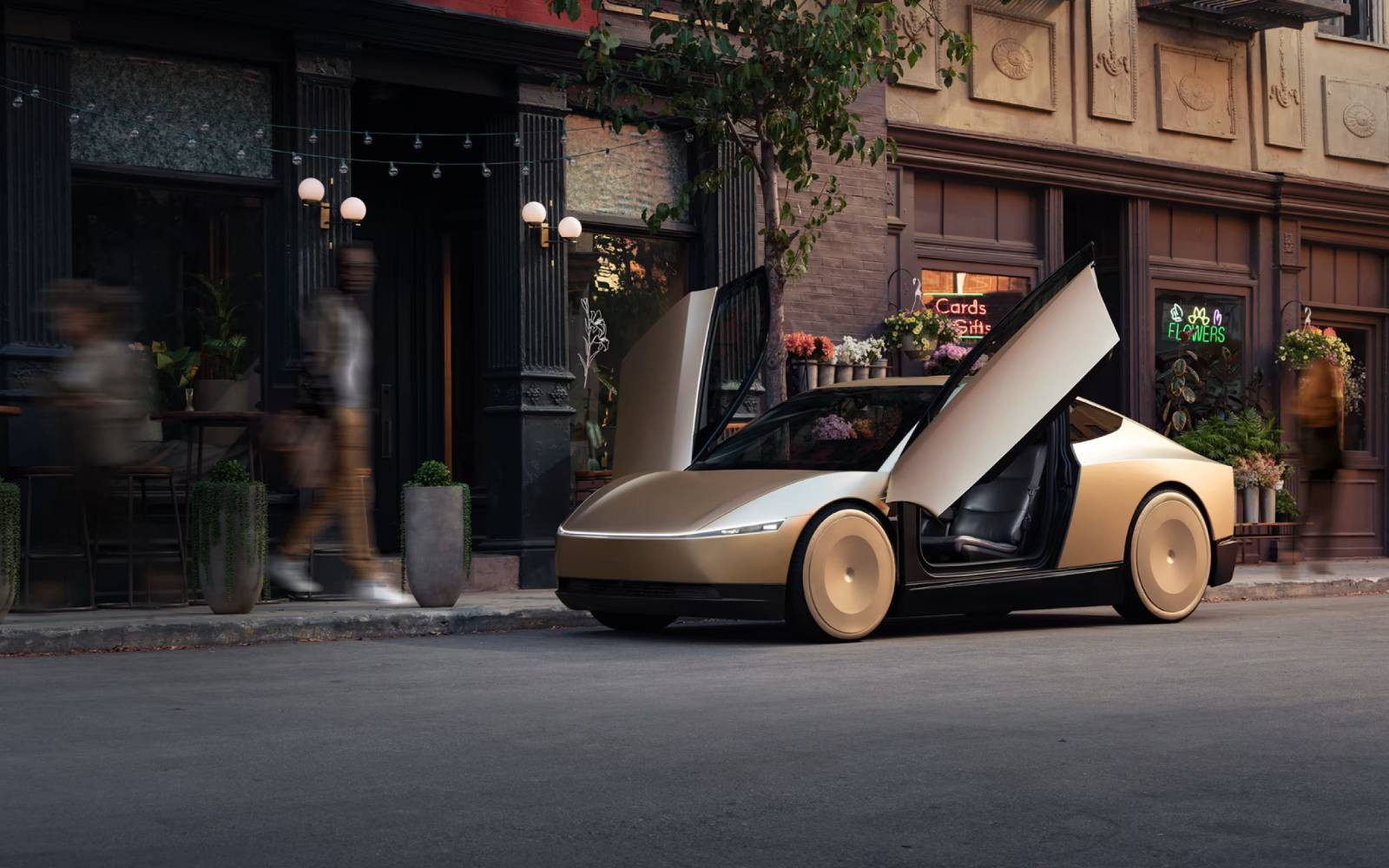
Tesla ($TSLA) is gearing up to launch its Robotaxi service in Austin, Texas, this June. The service will utilize Tesla's Full Self-Driving (FSD) technology, initially deploying a fleet of Tesla's own vehicles, likely Model 3 and Model Y. Passengers will be able to book rides via a mobile app, with the vehicles picking them up at designated locations. However, Tesla is entering a competitive arena, with players like Waymo and Uber already making waves. So, can Tesla carve out a place for itself in such a crowded market? Let's break it down.
Why Austin?
Austin, being Tesla's headquarters, is a strategic choice. Texas' regulatory environment is also favorable, requiring only registration and insurance for autonomous vehicles to operate on public roads, without the need for special permits. Tesla plans to collaborate closely with local authorities and emergency services to ensure safety as it gradually expands the service. It's a smart move—Texas has relatively relaxed regulations for self-driving cars, and Austin's tech-savvy vibe makes it an ideal testing ground.
Tesla's ambitions don't stop at Austin. The company aims to roll out the Robotaxi service nationwide by 2026, with the Cyber Cab expected to play a pivotal role. However, the road ahead is fraught with challenges. The 2025 tests in Austin will be crucial, assessing the safety and reliability of the FSD system, service demand, insurance issues, and liability in the event of accidents.
Competitive Landscape
Tesla isn't alone in this race. Waymo One, under Alphabet ($GOOGL), is already operational in Phoenix, San Francisco, and Los Angeles, with plans to expand to Austin, Atlanta, and Miami. Other players like Zoox, Lyft ($LYFT), Uber ($UBER), Aurora Innovation ($AUR), May Mobility, and Motional are also vying for a slice of the autonomous ride-hailing pie. On the global stage, companies like Baidu ($BIDU) Apollo Go, Pony.ai ($PONY), WeRide ($WRD), XPeng ($XPEV), BYD, and AutoX are making significant strides.
So, Tesla isn't exactly entering uncharted territory. In fact, it's playing catch-up in some ways. And with Uber's CEO, Dara Khosrowshahi, stating that they're not partnering with Tesla anytime soon, it's clear that this will be a head-to-head battle.
Not Everyone Is Convinced
Despite the optimism, not everyone is sold on Tesla's plans. Ross Gerber, an early Tesla investor and CEO of Gerber Kawasaki Wealth & Investment Management, has voiced significant concerns. He predicts a 50% drop in Tesla's stock by 2025, citing four main reasons:
1. FSD's Feasibility: Gerber argues that Tesla's reliance on cameras instead of LiDAR for its FSD system is a critical flaw. He believes LiDAR is essential for a truly safe autonomous system, putting Tesla behind competitors like Waymo.
2. Elon Musk's Divided Attention: With Musk juggling multiple ventures—Tesla, SpaceX, xAI, and more—Gerber worries that Tesla isn't getting the focus it needs, especially as Musk seems more preoccupied with AI than Tesla's core business.
3. Slowing Sales: Tesla's car sales are showing signs of slowing down, particularly in Europe, where competition from BYD is intensifying. Gerber also points out that Musk's political engagements and controversies might be alienating some customers.
4. High Valuation: Tesla's valuation remains high compared to its peers. With a market cap of $1.1 trillion, it dwarfs Toyota, despite having only 20% of Toyota's profits. Gerber warns that if sales continue to slow, this premium could erode significantly.
My Take
While Tesla's Robotaxi initiative is ambitious and could revolutionize urban mobility, the challenges are substantial. The skepticism from a once-loyal investor like Gerber is telling. Tesla's success hinges not just on technological innovation but also on navigating regulatory landscapes, ensuring safety, and maintaining consumer trust.
Moreover, Musk's ability to balance his numerous commitments will be crucial. If Tesla can address these concerns and deliver on its promises, the Robotaxi service could be a game-changer. However, if the issues highlighted by Gerber persist, Tesla's lofty ambitions might face significant headwinds.
#U.S. Tech Giants: Tracking U.S. Market Leaders#$Tesla Inc. Common Stock(TSLA)#$Alphabet Inc. Class A Common Stock(GOOGL)#$Lyft Inc. Class A Common Stock(LYFT)#$Uber Technologies Inc.(UBER)#$Aurora Innovation Inc. Class A Common Stock(AUR)#$Pony AI Inc. American Depositary Shares(PONY)#$WeRide Inc. American Depositary Shares(WRD)#$XPeng Inc. American depositary shares each representing two Class A ordinary shares(XPEV)#$Baidu Inc.(BIDU)#tesla#elonmusk