
Bitcoin's Sharp Plunge: What's Behind the Drop and What's Next?

Shearing sheep
February 26, 2025
GoGPT Summarizes Articles
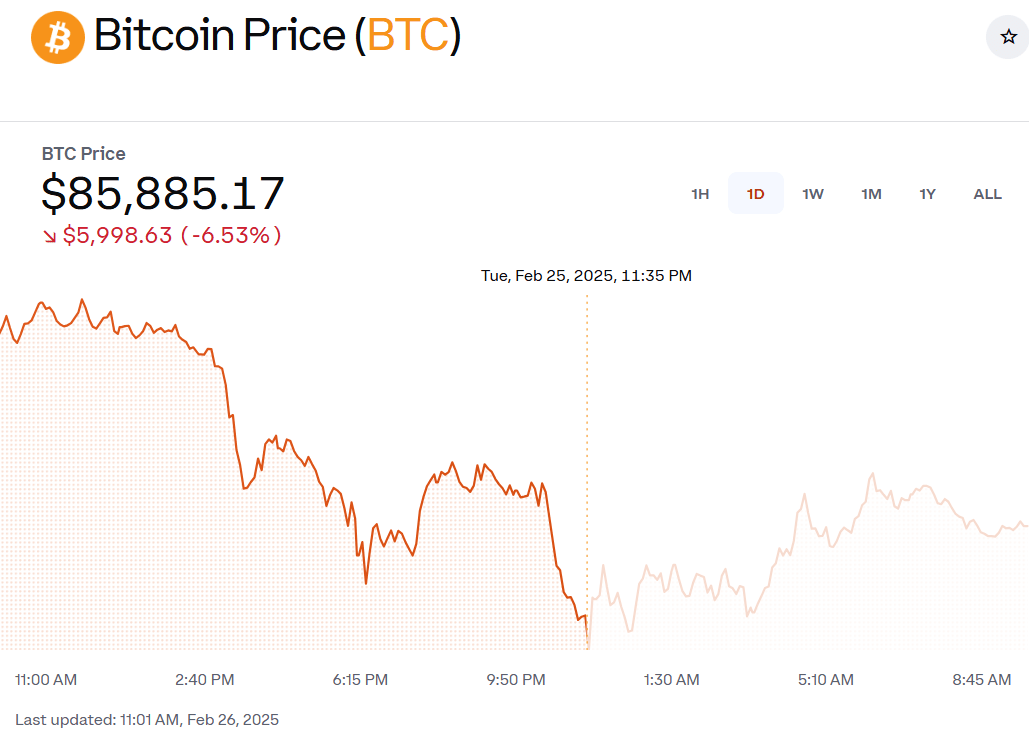
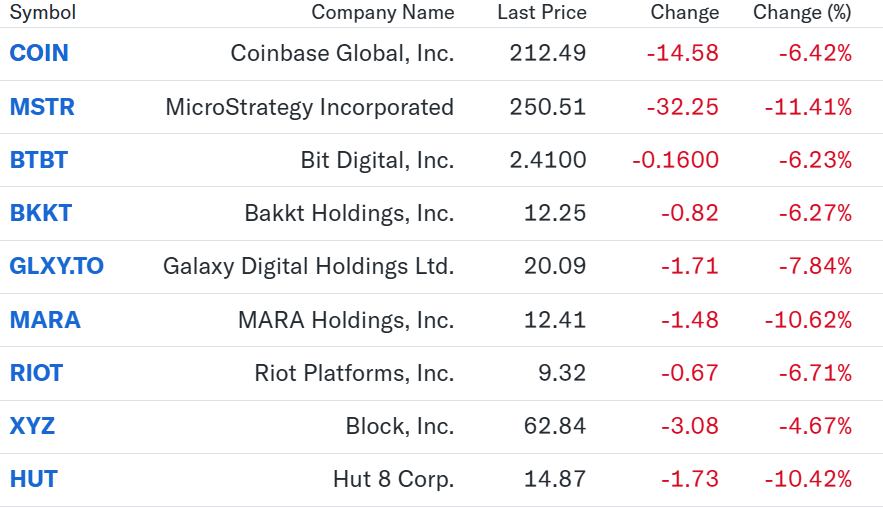
On Tuesday, Bitcoin ($BTC) took a serious tumble, dropping below $90,000 to a three-month low, and it's been dragging down other crypto-related stocks like Coinbase and MicroStrategy in its wake.
BTC has dropped nearly 20% since its all-time high of $109,225 on January 20, which coincided with President Trump's inauguration. A lot of people were betting on Trump's presidency to be the ultimate crypto boost, but now, that enthusiasm seems to be running dry.
So, what's going on, and should we be worried? Let's break it down.
The Trump Effect: High Hopes, Mixed Results
When Trump took office, there was a lot of optimism in the crypto community. Many believed his administration would bring about a more favorable regulatory environment, potentially even creating a U.S. Bitcoin reserve. This optimism fueled a 57% rally in Bitcoin from Election Day to Inauguration Day. However, since then, the reality has been a bit more complicated.
Trump's trade policies, including potential tariffs and a lack of significant deregulation, have contributed to broader market uncertainty. While the administration did establish a crypto working group to propose a federal regulatory framework, concrete policies have yet to materialize. This has left investors in a holding pattern, waiting for more clarity.
Macroeconomic Headwinds: Stagflation Fears
Beyond politics, macroeconomic factors are also weighing heavily on Bitcoin and other risk assets. Concerns about stagflation—a combination of stagnant economic growth and high inflation—are growing. The Federal Reserve's ability to cut rates is constrained by persistent inflation, and there's even talk of potential rate hikes later this year. This has led to a broader risk-off sentiment in the market, impacting not just Bitcoin but also equities and other cryptocurrencies.
Market Sentiment: Fear and Uncertainty
The Crypto Fear & Greed Index has entered the "fear" zone, reflecting widespread anxiety among investors. Recent events, such as the $1.4 billion hack of Bybit and the scandal surrounding Argentina's President Milei and the Libra token, have only added to the negative sentiment. These incidents have shaken confidence in the crypto market, leading to increased selling pressure.
MicroStrategy's recent Bitcoin purchases highlight the risks and rewards of crypto investing. The company bought 20,356 Bitcoins last week at an average price of $97,514, only to see the value of those holdings drop by around $200 million in just a few days. While the company's long-term strategy has been profitable, with an average purchase price of $66,357 per Bitcoin, the recent volatility serves as a stark reminder of the risks involved.
But there are still some positives for Bitcoin. According to Geoff Kendrick from Standard Chartered, the drop in U.S. Treasury yields is a good long-term sign for Bitcoin, but he warns that we might see a further dip to the $80,000 range before any kind of recovery. For now, investors are watching closely, but the mood is cautious, and the institutional inflows that many expected aren't happening at the pace people anticipated.
Technical Outlook: Where's the Bottom?
From a technical perspective, Bitcoin's next key support level is around $70,000 to $75,000. If the price breaks below this range, we could see further downside. However, it's worth noting that much of the regulatory optimism has already been priced in, and for Bitcoin to resume its upward trajectory, we'll need to see more concrete policy developments.
Final Thoughts: Navigating the Uncertainty
Is Bitcoin's rally over? Probably not entirely, but the golden days of assuming Bitcoin is a guaranteed moonshot with Trump in charge seem to be behind us. The next big catalyst for the crypto market will likely have to come from real, concrete policy changes—something that could take months, maybe even years, to materialize.
In the short term, the crypto market is likely to remain volatile. Macroeconomic uncertainty, regulatory ambiguity, and negative headlines will continue to weigh on prices. However, for long-term investors, these dips could present buying opportunities. The key will be to stay informed, manage risk, and keep an eye on developments in both the macroeconomic landscape and the regulatory environment.
So, for investors in crypto or crypto-related stocks like MicroStrategy and Coinbase, this might be a good time to reassess risk tolerance. Bitcoin's volatility isn't for the faint of heart, and we could be in for more turbulence before we see any clear direction. But, as always, the market's full of surprises—who knows what tomorrow might bring? #btc #bitcoin
#Crypto Market Watch: Trends, Regulation & Institutional Moves#$BTC/USDT COINBASE(BTC)#btc#bitcoin